
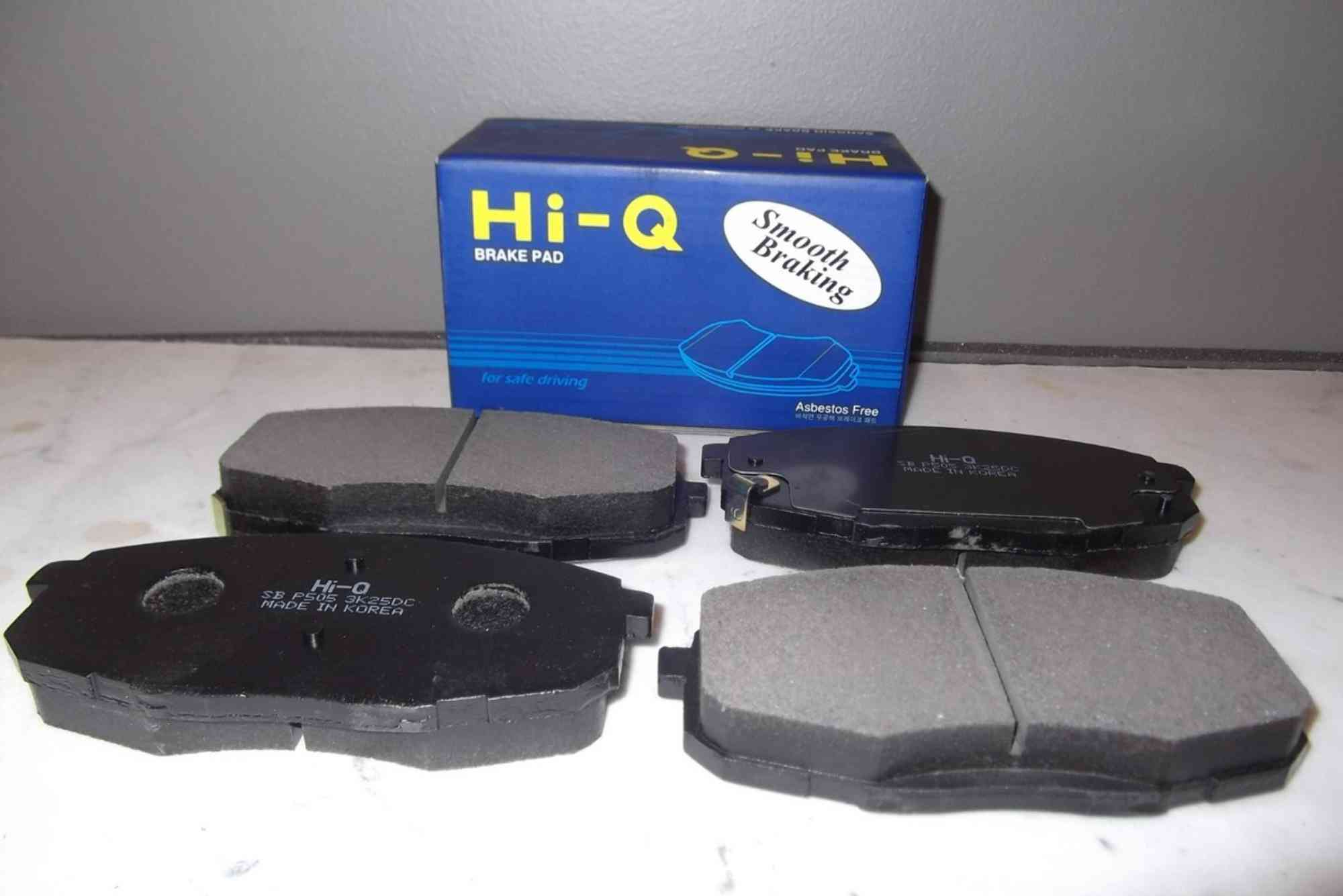
2012 Hyundai Accent Brake Pads: Choosing the Best Replacement
If you own a 2012 Hyundai Accent, keeping its braking system in top condition is essential for your safety and driving experience. One critical component that often needs attention is the brake pads. Choosing the right 2012 Hyundai Accent brake pads not only ensures effective stopping power but also prolongs the life of your brake rotors and reduces noise and dust. In this article, we’ll explore everything you need to know about selecting the best brake pads for your 2012 Hyundai Accent — from types and quality indicators to installation tips and maintenance advice.
Why Are Brake Pads Important for Your 2012 Hyundai Accent?
Brake pads are the components that press against the brake rotors to slow down or stop your vehicle. Over time, brake pads wear down due to friction and must be replaced to maintain braking efficiency. If worn-out pads are left unchanged, you risk longer stopping distances, brake noise, and even damage to the rotors, which can lead to expensive repairs.
For a compact car like the Hyundai Accent, having reliable brake pads is crucial for safe city driving and highway trips. Therefore, knowing how to select quality brake pads tailored for your 2012 model will keep you safe and improve your vehicle’s performance.
Types of Brake Pads for the 2012 Hyundai Accent
When looking for replacement brake pads, you’ll find three main types available, each with distinct features and benefits:
Ceramic Brake Pads
Ceramic pads are made from dense ceramic fibers mixed with nonferrous metal fibers. They are quieter and produce less brake dust compared to other types. Ceramic brake pads are long-lasting and gentle on rotors, making them an excellent choice for daily driving, especially in urban environments where smooth braking is common.
Semi-Metallic Brake Pads
These pads contain a mixture of metals such as steel, copper, and iron. Semi-metallic pads provide strong braking performance, especially at high temperatures, making them suitable for more aggressive driving or hilly terrains. However, they tend to be noisier and produce more dust than ceramic pads.
Organic Brake Pads
Organic pads are made from materials like rubber, glass, and resins. They are generally softer, quieter, and cheaper, but wear out faster and can fade under extreme heat. While they are budget-friendly, organic pads may not be the best for all driving conditions.
How to Choose the Best 2012 Hyundai Accent Brake Pads
Selecting the right brake pads depends on your driving habits, budget, and priorities. Here’s what to consider:
Driving Style and Conditions
If you mainly drive in city traffic, stopping and starting frequently, ceramic brake pads offer smooth and quiet operation with minimal dust. For drivers who tackle mountainous roads or frequently brake hard, semi-metallic pads might be more appropriate due to their heat resistance and durability.
Durability and Longevity
Brake pads with longer lifespans save money and hassle over time. Ceramic pads typically last longer than organic ones but might cost a bit more upfront. Evaluate your expected mileage and how often you want to change your pads.
Noise and Dust Levels
Brake noise and dust can be annoying, especially if you park in your garage or near your home. Ceramic pads excel at reducing brake noise and dust, while semi-metallic pads might produce more of both.
Cost
While it’s tempting to choose the cheapest option, remember that low-cost pads can wear quickly or damage rotors. Invest in quality brake pads compatible with your 2012 Hyundai Accent for peace of mind and safety.
Compatibility and Quality Certifications
Always check that the brake pads you buy are specifically made for the 2012 Hyundai Accent or list compatibility for your model year. Look for certifications such as the Department of Transportation (DOT) approval or those from automotive quality standards to ensure safety and reliability.
Signs You Need to Replace Your 2012 Hyundai Accent Brake Pads
Recognizing when your brake pads are worn is key to timely replacement. Here are common warning signs:
Squeaking or Squealing Noises
A high-pitched noise when braking often indicates worn brake pads. Many pads come with wear indicators designed to produce this sound when the pad is thin.
Reduced Braking Performance
If your car takes longer to stop or the brake pedal feels soft, it may be time for new brake pads.
Vibration or Pulsation
Feeling a vibration in the brake pedal when stopping could mean warped rotors caused by worn pads.
Visual Inspection
If you can see the brake pads through the wheel spokes, check for thickness. Pads thinner than 3mm need replacing.
Installation and Maintenance Tips for Your Brake Pads
While many car owners prefer professional installation, those comfortable with basic car maintenance can replace brake pads themselves. Here are some tips:
- Always replace brake pads on both sides of the axle to maintain balanced braking.
- Use quality brake lubricant on the caliper slides to prevent sticking.
- After installation, perform a brake bed-in procedure by gently braking several times to seat the new pads properly.
- Regularly check brake fluid levels and replace fluid every 2 years or as recommended.
- Inspect your rotors during pad replacement. If they’re deeply grooved or warped, consider resurfacing or replacing them.
Popular Brands for 2012 Hyundai Accent Brake Pads
Some trusted brands offering brake pads compatible with the 2012 Hyundai Accent include Bosch, Wagner, Akebono, and ACDelco. These manufacturers have a strong reputation for durability, performance, and quality control. When choosing, always compare reviews and verify that the pads match your Accent’s specifications.
Keep Your 2012 Hyundai Accent Safe with the Right Brake Pads
Choosing the best 2012 Hyundai Accent brake pads is about balancing performance, durability, noise, and cost to fit your needs. Ceramic pads are ideal for quiet, clean braking in everyday driving, while semi-metallic pads are perfect for those who demand extra stopping power. Don’t ignore warning signs of worn pads, and always replace them timely to protect your safety.
FAQs
Q: How often should I replace brake pads on a 2012 Hyundai Accent?
A: Typically, brake pads last between 30,000 to 70,000 miles depending on driving habits and pad type. Regular inspections help determine the exact time for replacement.
Q: Can I use any brake pads for my 2012 Hyundai Accent?
A: It’s important to use brake pads specifically designed or approved for your 2012 Hyundai Accent to ensure proper fit and performance.
Q: Are ceramic brake pads better than semi-metallic?
A: Ceramic pads are quieter and produce less dust, making them better for everyday driving. Semi-metallic pads offer better performance under heavy braking or extreme conditions.
Q: How do I know if my brake pads are worn out?
A: Listen for squeaking noises, check for reduced braking performance, and visually inspect pad thickness. Pads thinner than 3mm need replacing.
Q: Can I replace brake pads myself on a 2012 Hyundai Accent?
A: Yes, with the right tools and knowledge, but if you’re not confident, it’s safer to have a professional mechanic do the job.