
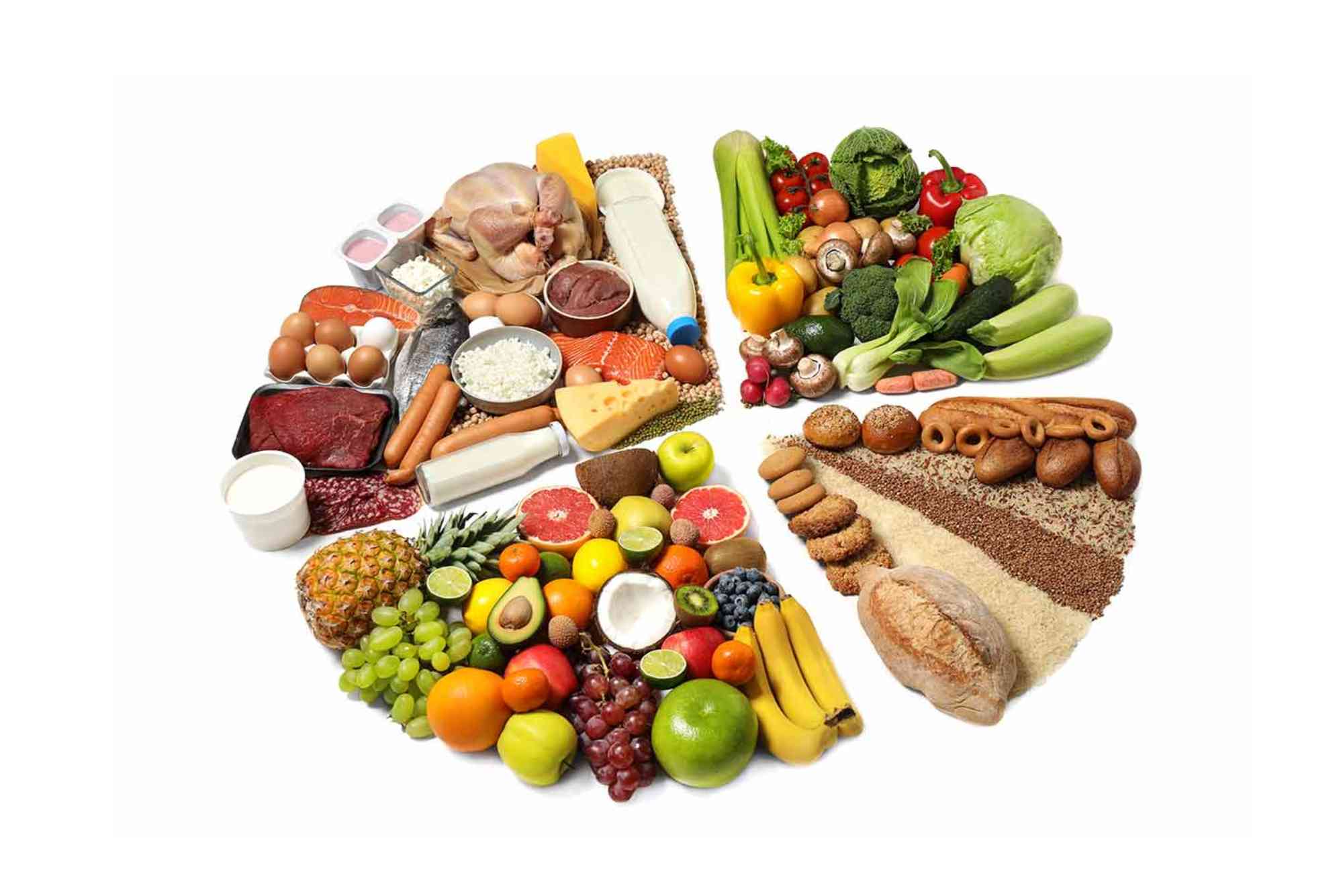
3 Major Food Groups and Why They Matter in a Balanced Diet
Maintaining a healthy diet is one of the most effective ways to support long-term health and well-being. Nutrition experts universally agree that consuming a balance of nutrients is essential, and this balance is best achieved by focusing on the 3 kinds of food groups. These groups are the foundation of every effective diet plan, offering a framework to help individuals eat with both nourishment and purpose.
Understanding these food groups—macronutrients that supply energy and micronutrients that promote wellness—empowers people to make informed food choices. Whether you’re a busy professional, a parent planning family meals, or someone on a fitness journey, knowledge of these three essential food groups can make a big difference in your daily life.
Understanding the 3 Kinds of Food Groups
The term “3 kinds of food groups” refers to a simplified categorization of essential nutrients that the human body needs in balanced quantities: carbohydrates, proteins, and fats. These three food groups supply energy, support bodily functions, and assist in cellular repair and growth. Though many modern food pyramids and dietary models have expanded into five or six food categories, the core concept still centers around these primary three.
Carbohydrates – The Body’s Primary Energy Source
Carbohydrates are often misunderstood in modern diets, especially with the rise of low-carb trends. But the truth is that carbs are the body’s main source of energy. When consumed, carbohydrates break down into glucose, which fuels vital functions from brain activity to muscle movement.
Simple carbohydrates include sugars found in fruits, milk, and processed sweets. Complex carbohydrates include whole grains, legumes, and vegetables. While both types are useful, complex carbohydrates are preferable due to their fiber content and slower digestion, which help in maintaining blood sugar levels.
Carbohydrates also play a role in brain function, mood stability, and even immune health. When choosing carb-rich foods, it’s important to prioritize whole, unprocessed options that provide sustained energy.
Proteins – Building Blocks for Growth and Repair
Proteins are essential for building and repairing tissues. They also play a major role in enzyme function, hormone production, and immune defense. Each protein is made up of amino acids, some of which the body cannot produce on its own and must be obtained from food.
Sources of protein include both animal-based foods like meat, fish, dairy, and eggs, and plant-based options such as beans, lentils, nuts, seeds, and soy products. Including a variety of protein sources ensures that your body receives all the essential amino acids it needs.
Protein is particularly crucial for children, athletes, pregnant women, and older adults, as these groups require higher levels for growth, muscle repair, and tissue maintenance. Protein-rich foods also promote satiety, making them helpful for weight control and hunger regulation.
Fats – Vital for Brain Health and Nutrient Absorption
Fats have long been labeled as unhealthy, but dietary fat is essential for life. It supports brain health, hormone regulation, and helps the body absorb fat-soluble vitamins like A, D, E, and K. The key lies in consuming the right kinds of fat.
Healthy fats include monounsaturated and polyunsaturated fats found in foods like olive oil, nuts, seeds, and fatty fish. These fats support heart health and reduce inflammation. 3 Kinds Of Food GroupsK Trans fats, often found in processed snacks and baked goods, should be avoided as they increase the risk of heart disease.
Even saturated fats, once demonized, can be consumed in moderation, particularly from natural sources like dairy and coconut. Rather than eliminating fats, focus on incorporating healthy sources into your meals for energy and nutrient balance.
Why These 3 Food Groups Matter Together
No single food group can provide all the essential nutrients your body needs. That’s why a balanced diet must include a variety of carbohydrates, proteins, and fats. These food groups work together to support physical and mental performance, maintain a healthy immune system, and keep your metabolism functioning properly.
For example, pairing a protein with a complex carbohydrate helps stabilize blood sugar and keeps you full longer. Adding a source of healthy fat enhances the flavor of food and increases nutrient absorption. It’s this synergy among the 3 kinds of food groups that makes them so essential in a balanced diet.
When any one group is lacking or overemphasized, nutritional imbalances occur. Diets too low in carbs may lead to fatigue and brain fog. Excessive protein without carbs or fats can strain the kidneys. Diets too high in fats without sufficient fiber from carbs can cause digestive issues. A diet that includes all three in balanced portions can help avoid such pitfalls.
Applying the 3 Food Groups to Daily Life
Incorporating the 3 kinds of food groups into your meals doesn’t have to be complicated. A good rule of thumb is to structure your plate with a third complex carbohydrates, a third lean protein, and a third vegetables, topped with a small serving of healthy fat.
For breakfast, this could mean oatmeal (carbs) topped with nuts (protein and fat). For lunch, grilled chicken (protein) with brown rice (carbs) and avocado slices (fat) creates a nutrient-dense meal. Dinner might include salmon (protein and fat), quinoa (carbs), and steamed broccoli (fiber and micronutrients).
Snacks also play a role. Instead of reaching for sugary treats, choose snacks that combine these groups, such as Greek yogurt with berries and almonds, or whole grain toast with peanut butter.
The goal isn’t perfection, but consistency. Even small changes in how you build your meals can yield lasting health benefits over time.
The Role of Micronutrients and Fiber
While the focus here is on the three major food groups, it’s important to note that a healthy diet also includes micronutrients—vitamins and minerals—as well as fiber. These often come along with the main food groups, especially in whole food sources.
Vegetables and fruits are rich in both micronutrients and fiber. Whole grains not only provide complex carbohydrates but also B vitamins and minerals like magnesium. Lean meats and legumes are rich in iron and zinc. Healthy fats carry vitamins A, D, E, and K.
Therefore, eating a variety of foods from each group ensures you’re not just hitting your macro goals but also supporting deeper health at the cellular level.
Common Myths About the 3 Kinds of Food Groups
One common myth is that carbs make you gain weight. In truth, excess calories from any food group cause weight gain. Carbs, especially whole grains and vegetables, are essential for energy and digestion.
Another myth is that you need high protein to build muscle. While protein is vital, without sufficient carbohydrates to fuel your workouts and fats to support hormone health, muscle development will suffer.
Finally, many believe that fats are harmful. The reality is that healthy fats are necessary for the brain, heart, and cellular health. Removing fat entirely from your diet can result in vitamin deficiencies and hormonal imbalances.
In conclusion, understanding and applying the 3 kinds of food groups is a practical step toward better health. Carbohydrates provide the fuel, proteins handle the repair, and fats manage essential functions like nutrient absorption and brain health. When all three are present in balance, your body and mind thrive.
Rather than chasing trends or restrictive diets, focus on meals built around these three groups. You’ll enjoy more energy, better focus, a stronger immune system, and a greater sense of well-being.
FAQ Section
What are the 3 main food groups and their functions?
The three main food groups are carbohydrates, proteins, and fats. Carbohydrates provide energy, proteins build and repair tissues, and fats support hormone function and nutrient absorption.
Why are carbohydrates important in a balanced diet?
Carbohydrates are the body’s main energy source. They fuel brain function, physical activity, and support digestion when consumed as whole grains and vegetables.
Can I follow a healthy diet without one of the food groups?
It’s not advisable. Each group serves unique functions. Removing one can cause deficiencies and impact energy levels, mental focus, or physical performance.
Which food group should be eaten the most?
Typically, complex carbohydrates and vegetables should make up the largest portion of your diet, followed by proteins and healthy fats.
Are fats bad for you?
Not all fats are bad. Unsaturated fats from nuts, seeds, and fish are healthy and necessary. It’s trans fats and excessive saturated fats that should be limited.