
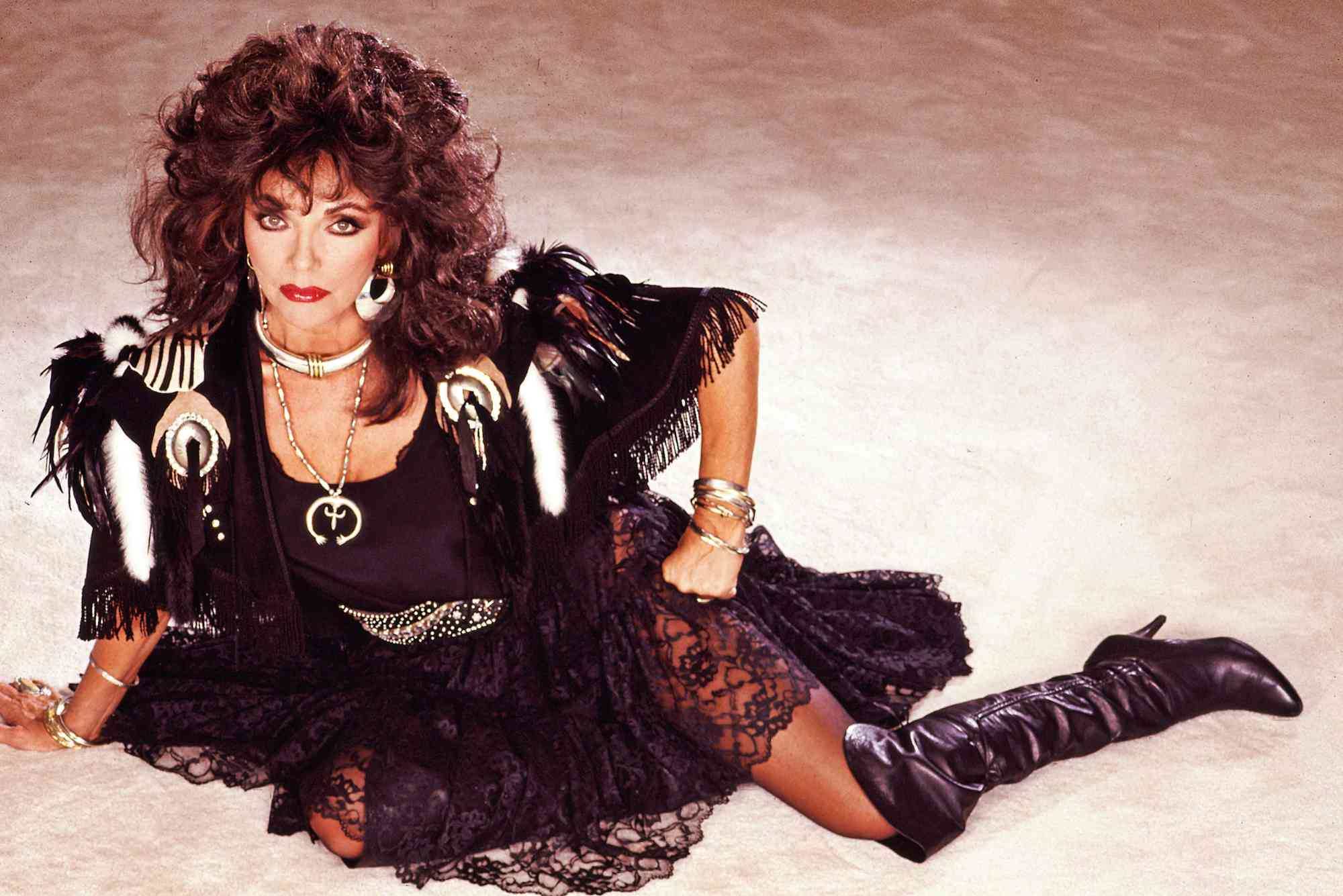
Top 80s Fashion Models Who Redefined Beauty
The 1980s was more than just bold colors, big hair, and extravagant style—it was also the era that gave rise to a new kind of beauty. 80s fashion models weren’t just clothes hangers for designers; they were icons, trailblazers, and powerhouses who challenged norms and redefined what it meant to be beautiful. Their influence rippled across the globe, shaping everything from fashion magazines to pop culture and even politics.
In this article, we’ll take a deep dive into the most influential 80s fashion models who left an unforgettable mark on the industry. From runway goddesses to cover queens, these women changed the face of beauty and empowered future generations.
The Rise of the Supermodel in the 80s
The 1980s marked the dawn of the supermodel. Unlike the traditional models before them, these women had personalities, media presence, and immense cultural power. They graced the covers of Vogue, Elle, and Harper’s Bazaar, starred in music videos, and became household names.
More than just beautiful faces, these 80s fashion models embodied strength, individuality, and charisma. They weren’t merely promoting fashion—they were shaping it.
What Made 80s Fashion Models So Special?
- They broke conventional beauty standards.
- They were racially diverse at a time when that was rare.
- They had distinctive features that set them apart.
- Many became brand ambassadors, crossing over into TV, film, and activism.
Their lasting impact continues to influence modeling today, from the return of retro looks on runways to how we define beauty in digital spaces.
The Faces That Changed the Game
Let’s explore the stories of the most iconic 80s fashion models who captured imaginations worldwide.
Iman: The Trailblazer
Iman Abdulmajid, known simply as Iman, brought regal elegance and African heritage to international fashion. Born in Somalia, she became a muse for designers like Yves Saint Laurent and Gianni Versace.
Her commanding presence, deep skin tone, and high cheekbones redefined beauty standards. She wasn’t just a model—she became a symbol of sophistication and cultural pride. Post-modeling, Iman launched a successful cosmetics line and became an advocate for diversity in fashion.
Cindy Crawford: The All-American Beauty
Cindy Crawford emerged in the late 80s with her signature mole and athletic frame. Her appeal was a mix of girl-next-door charm and high-fashion sophistication.
She bridged the gap between fashion and pop culture, appearing in Pepsi commercials, fitness videos, and hosting MTV’s House of Style. Crawford helped usher in the supermodel era and remains a beauty icon today.
Naomi Campbell: The Powerhouse
Naomi Campbell broke barriers as one of the first Black women to dominate the modeling industry. With her fierce walk and piercing gaze, she stormed the runways for Chanel, Dior, and Azzedine Alaïa.
She became the first Black model to appear on the covers of Time magazine and French Vogue. Naomi’s influence went beyond the runway—she helped push for greater inclusion and used her platform to champion humanitarian causes.
Linda Evangelista: The Chameleon
Known for saying, “We don’t wake up for less than $10,000 a day,” Linda Evangelista embodied the glamour and exclusivity of the modeling world. Her ability to change her look from one photoshoot to another earned her the title of fashion’s ultimate chameleon.
She reigned supreme in the 80s and 90s, setting a standard for editorial versatility that models still aspire to today.
Christie Brinkley: The Girl with the Smile
Christie Brinkley was the face of wholesome American beauty. With her sun-kissed hair and beaming smile, she became a Sports Illustrated legend, appearing on three consecutive covers in the late 70s and early 80s.
But Brinkley was more than a swimsuit model. She worked with major brands, from CoverGirl to Chanel, and later used her platform to advocate for environmental causes and healthy living.
Grace Jones: The Avant-Garde Icon
Grace Jones wasn’t just a model—she was a movement. Known for her androgynous style, dramatic cheekbones, and fearless attitude, she blurred the lines between gender and race in a way that was decades ahead of its time.
Grace’s influence extended into music, film, and art. Her collaborations with designers like Jean-Paul Goude turned fashion into a form of performance art.
Janice Dickinson: The Self-Proclaimed First Supermodel
Love her or hate her, Janice Dickinson’s confidence was unmatched. She was bold, outspoken, and completely unapologetic. Janice claimed to be the “world’s first supermodel” and helped define the edgy, over-the-top energy of 80s fashion.
Her impact? She inspired a new generation of models to be more than silent mannequins—they could speak up, show personality, and demand recognition.
The Cultural Impact of 80s Fashion Models
The influence of 80s fashion models extended far beyond fashion magazines and runway shows. These women influenced music videos, movie aesthetics, and even politics.
- Madonna’s “Material Girl” owed much to the fashion stylings of 80s models.
- Designers like Versace and Mugler built their empires around the model-as-muse concept.
- Models started demanding better pay, equal representation, and public recognition.
In short, 80s fashion was driven not just by the clothes—but by the women who wore them.
How 80s Models Paved the Way for the Future
Today’s top models owe much to the trail these women blazed. Without Naomi, there might not be an Adut Akech. Without Cindy, no Gigi Hadid. Without Iman, no Tyra Banks.
The body positivity movement, calls for inclusivity, and increased model activism all trace back to the 80s when these women dared to take control of their narratives.
Why 80s Fashion Models Still Matter Today
Even decades later, 80s fashion models continue to appear in campaigns, documentaries, and retrospectives. Their influence is timeless, and their lessons still resonate:
- Beauty is multifaceted.
- Confidence can be revolutionary.
- Style is about expression, not conformity.
As fashion cycles through trends, the 80s continues to inspire designers, editors, and artists worldwide.
FAQs About 80s Fashion Models
What were fashion models like in the 1980s?
Fashion models in the 1980s were iconic figures known for their individuality, confidence, and unique beauty. They often had strong personalities and were treated like celebrities. Unlike today’s fast-changing modeling landscape, top models in the 80s had lasting careers and enormous cultural influence.
Who was the most famous model in the 1980s?
Cindy Crawford, Naomi Campbell, and Iman were among the most famous 80s fashion models. Each brought something different: classic beauty, diversity, and runway power. Their combined influence shaped the modeling industry for decades.
How did 80s models influence fashion?
80s models transformed fashion by adding personality, diversity, and charisma. They helped turn the model from a passive figure into a public persona, capable of influencing trends, branding, and even politics. They made fashion accessible and aspirational at the same time.
Why are 80s fashion models still relevant today?
They broke barriers and set standards that the industry still follows. Whether it’s body diversity, model-led brands, or celebrity crossovers, today’s fashion landscape still echoes the 80s supermodel era.
The Legacy of 80s Fashion Models
The 1980s gave us more than catchy tunes and shoulder pads—it gave us unforgettable models who helped us see beauty in new ways. These 80s fashion models weren’t just trend followers; they were trendsetters, cultural icons, and fierce advocates for change.
Their stories continue to inspire, reminding us that true beauty isn’t about fitting in—it’s about standing out.
Ready to dive deeper into fashion history or explore modern icons shaped by the past? Bookmark our blog and follow us for weekly insights on style, beauty, and cultural trends.