
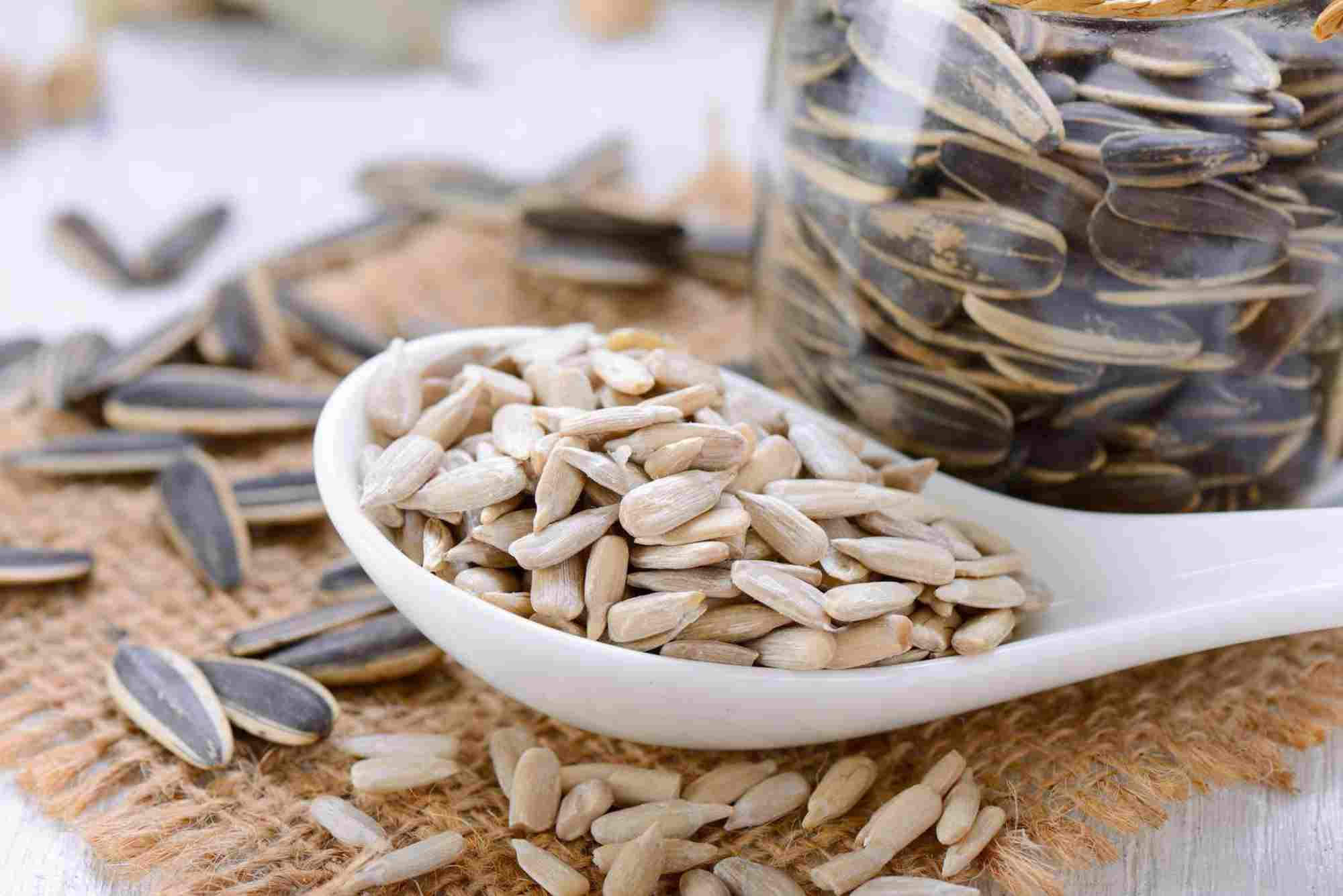
Are Sunflower Seeds Good for Health? Surprising Benefits
Sunflower seeds are small, nutty, and packed with nutrients—but is sunflower seeds good for health? That’s a question many health-conscious eaters ask as they try to make smarter food choices. Whether sprinkled on salads or eaten straight from the bag, sunflower seeds have become a staple in healthy diets worldwide.
In this article, we’ll dive deep into the nutritional power of sunflower seeds, their unexpected benefits, and whether they truly deserve a place in your daily routine.
Nutritional Profile of Sunflower Seeds
Sunflower seeds come from the sunflower plant (Helianthus annuus) and are typically consumed after removing the shell. Though small in size, they’re incredibly dense in essential nutrients.
Key Nutrients Found in Sunflower Seeds
- Healthy fats: Especially polyunsaturated and monounsaturated fats, including omega-6 fatty acids.
- Protein: Roughly 5–6 grams per ounce, making them a great plant-based protein source.
- Fiber: Promotes digestive health and helps you feel full longer.
- Vitamin E: A powerful antioxidant that supports immune function and skin health.
- B Vitamins: Especially folate, niacin, and pantothenic acid for energy production.
- Minerals: Magnesium, selenium, zinc, and copper—all vital for cell and bone health.
So, when asking is sunflower seeds good for health, this nutritional lineup offers a strong yes.
Surprising Health Benefits of Sunflower Seeds
Sunflower seeds do more than just satisfy a crunchy snack craving. They can support various aspects of your well-being.
Heart Health Boost
Thanks to their high content of healthy fats, fiber, and vitamin E, sunflower seeds support heart function. These nutrients help:

- Lower bad cholesterol (LDL)
- Improve blood pressure
- Reduce inflammation in blood vessels
Some research suggests that a handful of sunflower seeds a few times a week can contribute to reduced risk of cardiovascular diseases.
Stronger Immunity
Vitamin E, zinc, and selenium in sunflower seeds are key players in immune response. These antioxidants protect cells from oxidative stress, keeping the body more resilient to illness.
Blood Sugar Regulation
The high protein and fiber content in sunflower seeds slows the absorption of sugar into the bloodstream. This may help people with type 2 diabetes or those at risk maintain steady blood sugar levels.
Hormonal Balance
Sunflower seeds are often used in “seed cycling,” a natural method to balance female hormones. The rich B vitamins and selenium content are thought to support thyroid and adrenal function.
Healthy Skin and Hair
Vitamin E and fatty acids in sunflower seeds promote collagen production, skin repair, and overall glow. Zinc also plays a crucial role in reducing acne and boosting scalp health.
Potential Risks and Things to Watch Out For
While sunflower seeds are nutrient-rich, moderation is key. Like many healthy foods, they can have downsides when consumed in excess.
High in Calories
One ounce contains about 160–170 calories. If you’re watching your weight or eating them frequently, portion control matters.
Added Salt and Oils
Flavored sunflower seeds often contain added sodium or unhealthy oils. Choose raw or dry-roasted options to keep your snack healthy.
Risk of Heavy Metals
Sunflowers can absorb heavy metals like cadmium from the soil. Eating large quantities over a long period could pose kidney risks. However, occasional consumption poses minimal concern.
Allergy Risk
Some individuals may have seed allergies, which can trigger reactions from mild to severe. If you’re new to sunflower seeds, start with a small amount.
Best Ways to Add Sunflower Seeds to Your Diet
You don’t need to eat them by the handful to get the benefits. Here are some smart and simple ways to incorporate them:
- Sprinkle on oatmeal, salads, or yogurt
- Add to homemade granola or trail mix
- Mix into bread, muffins, or cookies for extra crunch
- Blend into smoothies for a nutty boost
- Use sunflower seed butter as a peanut butter alternative
Choosing organic or non-GMO options can also give you peace of mind if you’re concerned about farming practices or additives.
Are Sunflower Seeds Suitable for All Diets?
Let’s look at how sunflower seeds fit into different dietary needs:
- Keto and Low-Carb Diets: They are relatively low in net carbs and high in fat—ideal for keto.
- Vegan and Vegetarian Diets: Great plant-based source of protein and B vitamins.
- Gluten-Free Diets: Naturally gluten-free, just check packaging for cross-contamination.
- Paleo and Whole30: Accepted as long as they are raw and unsweetened.
Expert Insight: What Dietitians Say
Registered dietitians often recommend sunflower seeds as a nutrient-dense snack or meal booster. According to a 2023 study published in the Journal of Nutrition, moderate consumption of sunflower seeds improved antioxidant status and reduced inflammatory markers in participants over 12 weeks.
Nutrition experts also highlight their role in preventing nutrient deficiencies, especially for magnesium and vitamin E—two nutrients many people don’t get enough of.
FAQs About Sunflower Seeds and Health
Is it OK to eat sunflower seeds every day?
Yes, it’s generally safe to eat a small serving daily (around 1 ounce), especially if you choose unsalted or dry-roasted varieties. Just be mindful of overall calorie intake.
Do sunflower seeds help with weight loss?
They can aid weight management by providing protein and fiber, which promote satiety. However, because they are calorie-dense, portion control is essential.
Are sunflower seeds better raw or roasted?
Both are healthy, but raw seeds retain more nutrients. If choosing roasted, opt for dry-roasted without added oils or salt.
Can sunflower seeds cause inflammation?
No—on the contrary, they contain anti-inflammatory compounds like vitamin E. However, if you consume seeds high in added salt or oil, it may lead to inflammatory responses.
Is sunflower seed oil as healthy as the seeds?
Cold-pressed sunflower oil has some benefits, but whole seeds provide fiber and protein that oils do not. Choose unrefined oil for maximum health advantages.
Is Sunflower Seeds Good for Health?
So, is sunflower seeds good for health? Absolutely—when eaten in moderation and in their natural form, sunflower seeds offer a wealth of nutritional benefits. From heart health to glowing skin, they’re a smart and simple addition to almost any diet.
However, like any healthy food, balance is key. Stick to raw or lightly roasted seeds, keep portions reasonable, and enjoy their benefits without overdoing it.
Ready to upgrade your snacking habits? Try adding a handful of sunflower seeds to your routine this week and feel the difference. For more science-backed nutrition tips, bookmark our blog or subscribe to our newsletter today.