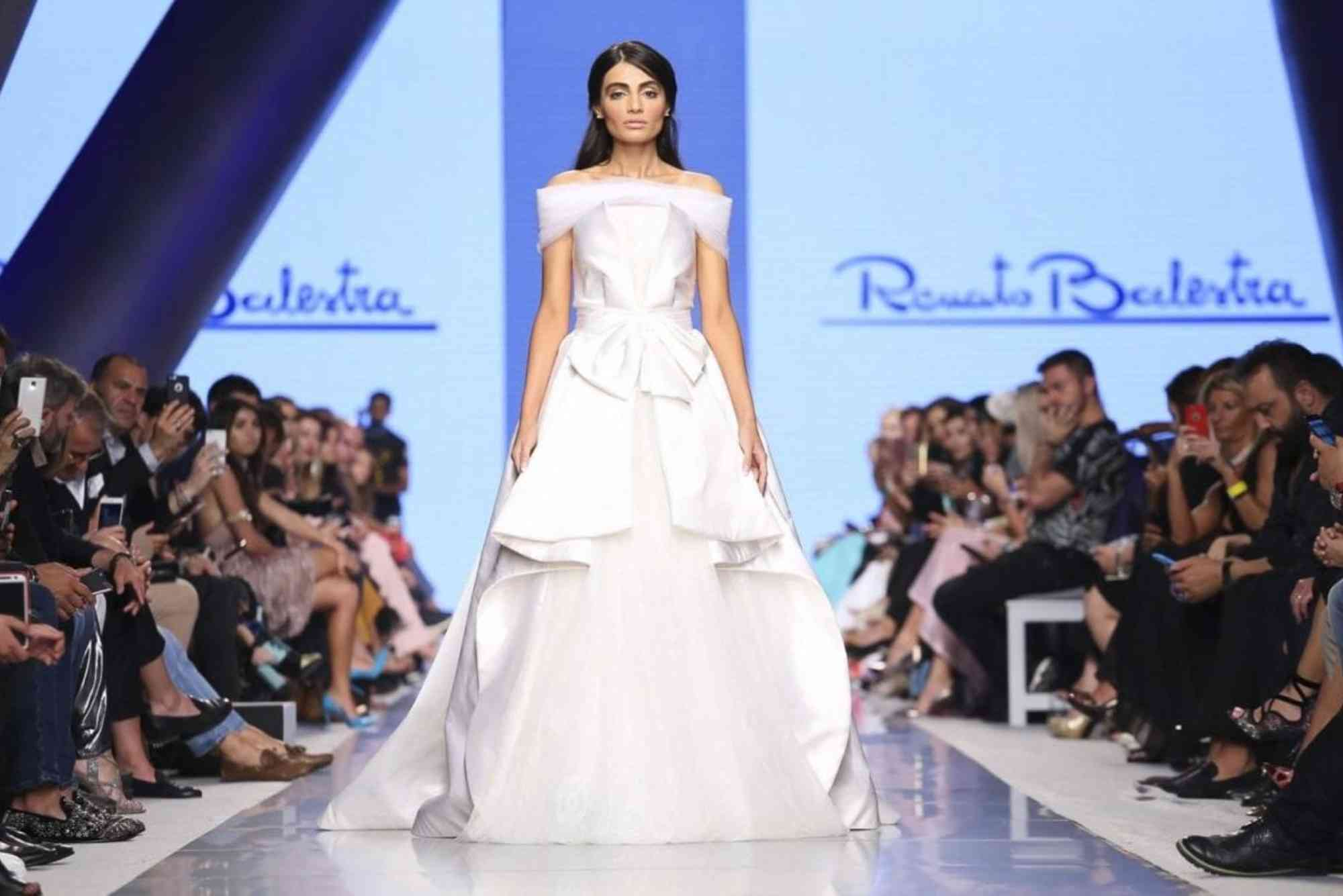
Trends That Stole the Show
Arab Fashion Week Dubai 2018 was more than a celebration of couture—it was a cultural milestone. Held in one of the world’s most dynamic fashion capitals, this edition of Arab Fashion Week (AFW) broke boundaries, set trends, and brought together designers from across the globe. The event highlighted a growing shift in Middle Eastern fashion, where tradition meets innovation on the runway.
From glamorous silhouettes to modest wear reimagined, Arab Fashion Week Dubai 2018 showcased how the region is redefining style with boldness and creativity. This article explores the standout trends, key designers, and unforgettable moments that truly stole the show.
The Rise of Modest Fashion with a Modern Twist
One of the strongest themes of Arab Fashion Week Dubai 2018 was the evolution of modest fashion. While the global market has only recently caught on to its influence, modest fashion has long been central to Middle Eastern style. This season, designers gave it a high-fashion twist.
Luxurious Fabrics and Elegant Layers
Designers played with layering techniques using fabrics like silk, chiffon, and satin. The flow of these materials brought a graceful movement to each piece, giving modest wear a red-carpet appeal.
Statement Hijabs and Headpieces
Rather than being understated, head coverings became a focal point. Embellished turbans, flowing hijabs with beadwork, and custom headpieces stood out, aligning perfectly with the rest of each ensemble.
Sustainability Took Center Stage
Sustainability isn’t a trend—it’s a shift in mindset. At Arab Fashion Week Dubai 2018, several emerging designers took the opportunity to speak up through their collections.

Eco-Conscious Materials
From plant-based silks to recycled cottons, sustainable fabrics made a strong debut. Designers emphasized transparency, often tagging garments with information on fabric origin and ethical production practices.
Upcycling and Handcraft
Craftsmanship was another recurring theme. Many pieces were hand-embroidered or upcycled from older garments—demonstrating that sustainable fashion doesn’t mean compromising on luxury.
Global Designers Brought Cultural Fusion
AFW Dubai 2018 welcomed designers from over 20 countries, creating a melting pot of cultures and styles. This global influence added richness to the event.
Asian and European Influences
Designers from Japan, Italy, and France merged their design aesthetics with Arabic influences. The result? Collections that blended kimono cuts with abayas or European tailoring with desert-inspired color palettes.
Pan-Arab Collaboration
Fashion houses from Lebanon, Egypt, and Saudi Arabia collaborated on capsule collections that merged regional identity with international appeal. These collections often reflected political and social themes, adding depth to the glamour.
Gender Fluidity Made Its Mark
Another noticeable shift at Arab Fashion Week Dubai 2018 was the rise of gender-fluid fashion. This trend wasn’t simply about androgyny—it was about erasing the rigid lines that have long separated men’s and women’s fashion.
Unisex Silhouettes
Oversized coats, wide-legged trousers, and structured blazers appeared in both men’s and women’s shows. Labels like Amato and Hussein Bazaza explored this concept deeply, highlighting how fashion is becoming more inclusive.
Makeup and Accessories Crossed Boundaries
Male models wore statement makeup and jewelry, and female models rocked traditionally masculine accessories. The blurring of these lines spoke to a generation that embraces self-expression over gender norms.
Digital Technology Transformed the Runway Experience
The digital presence at Arab Fashion Week Dubai 2018 was stronger than ever. From live-streamed shows to interactive backstage experiences, technology helped designers reach audiences far beyond Dubai.
Augmented Reality Fashion
Some brands integrated AR into their showcases, allowing viewers to scan codes and view 3D renders of the garments. It was a glimpse into the future of virtual fashion shows.
Instagram-First Collections
Several labels released “Insta-ready” lines designed specifically to photograph well under phone cameras and filters. These pieces often featured bold graphics, vibrant hues, and reflective surfaces.
Fashion as a Political and Social Statement
Fashion isn’t just about beauty—it’s also a mirror of society. AFW 2018 included several collections that touched on critical issues such as women’s empowerment, refugee crises, and identity.
Empowerment Through Fashion
Many female-led fashion houses showcased clothing that told stories of resistance and strength. Collections were often accompanied by poetic runway soundtracks or monologues that provided context to the designs.
Highlighting Refugee Designers
Arab Fashion Council made space for designers from conflict zones. This inclusivity provided a platform for stories that are often unheard, bridging the gap between creativity and activism.
Behind the Scenes: Building a Fashion Ecosystem
AFW is more than just the runway. In 2018, the Arab Fashion Council doubled down on its mission to turn Dubai into a global fashion hub.
Emerging Talent Spotlight
Special slots were reserved for young designers fresh out of fashion school. These newcomers were given mentorship, production support, and exposure—fostering a strong foundation for future Arab fashion.
Industry Panels and Workshops
Fashion insiders, journalists, and stylists participated in panels discussing the region’s potential to disrupt global fashion. Key topics included textile innovation, marketing strategies for MENA consumers, and fashion education.
Star Appearances and Celebrity Endorsements
Arab Fashion Week Dubai 2018 drew attention from celebrities, influencers, and global fashion icons. Their presence brought added glamour and buzz.
VIP Front Rows
International supermodels, Hollywood stars, and Arab pop icons graced the front rows. Their social media posts amplified the event’s visibility across continents.
Influencer Partnerships
Influencers from the UAE, Saudi Arabia, and beyond walked the red carpet in pieces straight from the runway. These partnerships helped brands tap into the millennial and Gen Z markets.
What Arab Fashion Week Dubai 2018 Means for the Future
This year’s Arab Fashion Week wasn’t just an event—it was a signal. A signal that Middle Eastern fashion is not just participating in the global scene—it’s influencing it. With its rich cultural heritage, forward-thinking designers, and growing infrastructure, Dubai is cementing its role as a fashion capital.
FAQ
What is Arab Fashion Week Dubai 2018?
Arab Fashion Week Dubai 2018 was a major fashion event showcasing designers from the Middle East and around the world. It featured ready-couture collections, modest fashion, sustainability themes, and digital innovation.
Who organized Arab Fashion Week Dubai 2018?
The event was organized by the Arab Fashion Council, the largest non-profit fashion body in the Arab world, aiming to promote regional designers and build a sustainable fashion industry.
What trends dominated Arab Fashion Week Dubai 2018?
Modest fashion with modern twists, sustainable and eco-conscious clothing, cultural fusion, and gender-fluid styles were key trends. Designers also embraced technology with AR and digital fashion elements.
How does Arab Fashion Week differ from other fashion weeks?
Unlike traditional fashion weeks focused on haute couture or ready-to-wear, AFW promotes “ready-couture”—a blend of custom pieces with production potential. It also centers around Middle Eastern identity and modest fashion.
Why Arab Fashion Week Matters More Than Ever
Arab Fashion Week Dubai 2018 was a game-changer. It showcased not only beautiful garments but powerful narratives—of identity, resilience, creativity, and cultural pride. With each passing year, this event becomes more vital in the global fashion calendar.
If you’re a designer, brand, or fashion enthusiast, now is the time to watch this region closely. The Arab world isn’t just catching up—it’s leading. And Arab Fashion Week is the runway it deserves.
Ready to explore more about Middle Eastern fashion? Stay updated with the latest trends, designer interviews, and global style insights—subscribe to our newsletter today!