
Introduction
Maintaining a healthy colon is crucial for overall wellness, especially digestive function, nutrient absorption, and immune support. While diet plays a vital role, physical activity is equally important. Regular movement helps stimulate natural contractions in the intestinal muscles, known as peristalsis, which improves bowel movement and prevents constipation. In this article, we’ll explore the best types of exercise for colon health and how they support digestive wellness.
The Importance of Exercise for Colon Health
A sedentary lifestyle can slow down the digestive process, leading to bloating, constipation, and even chronic diseases. Physical activity helps the gastrointestinal system function more efficiently by increasing blood flow to the digestive organs and stimulating intestinal motility. Exercise also contributes to reduced inflammation, which is closely linked to colon health. Moreover, regular movement supports healthy gut flora, aiding in overall gastrointestinal balance.
Beyond digestion, exercise can reduce the risk of colon cancer. Several studies have shown that physically active individuals have a significantly lower risk of developing colorectal cancer. This is because exercise reduces insulin resistance and inflammation, both of which can trigger abnormal cell growth in the colon.
How Physical Activity Affects the Colon
When you engage in physical activity, especially aerobic exercises like walking or swimming, your core muscles activate, stimulating the intestines. This gentle movement encourages more frequent bowel activity and helps waste move smoothly through the digestive tract. Additionally, exercise increases your body’s metabolic rate, which can indirectly enhance the speed and efficiency of digestion.
There’s also a psychological benefit. Stress is known to disrupt gut health, causing issues like irritable bowel syndrome (IBS). Exercise acts as a natural stress reliever by triggering the release of endorphins—your body’s feel-good hormones. This, in turn, leads to a calmer digestive system and fewer gastrointestinal flare-ups.
Best Exercises to Support Colon Health
To maximize digestive health and colon function, focus on exercises that promote circulation, core strength, and moderate aerobic activity. Here are the most effective forms of exercise for colon health:

Walking
Walking is a low-impact, highly effective way to stimulate digestion. Just 20 to 30 minutes of brisk walking each day can make a noticeable difference in how your digestive system functions. It increases circulation and encourages peristalsis, reducing the chances of constipation. Whether it’s a stroll after meals or a morning walk, this simple activity is a foundational part of colon health.
Yoga
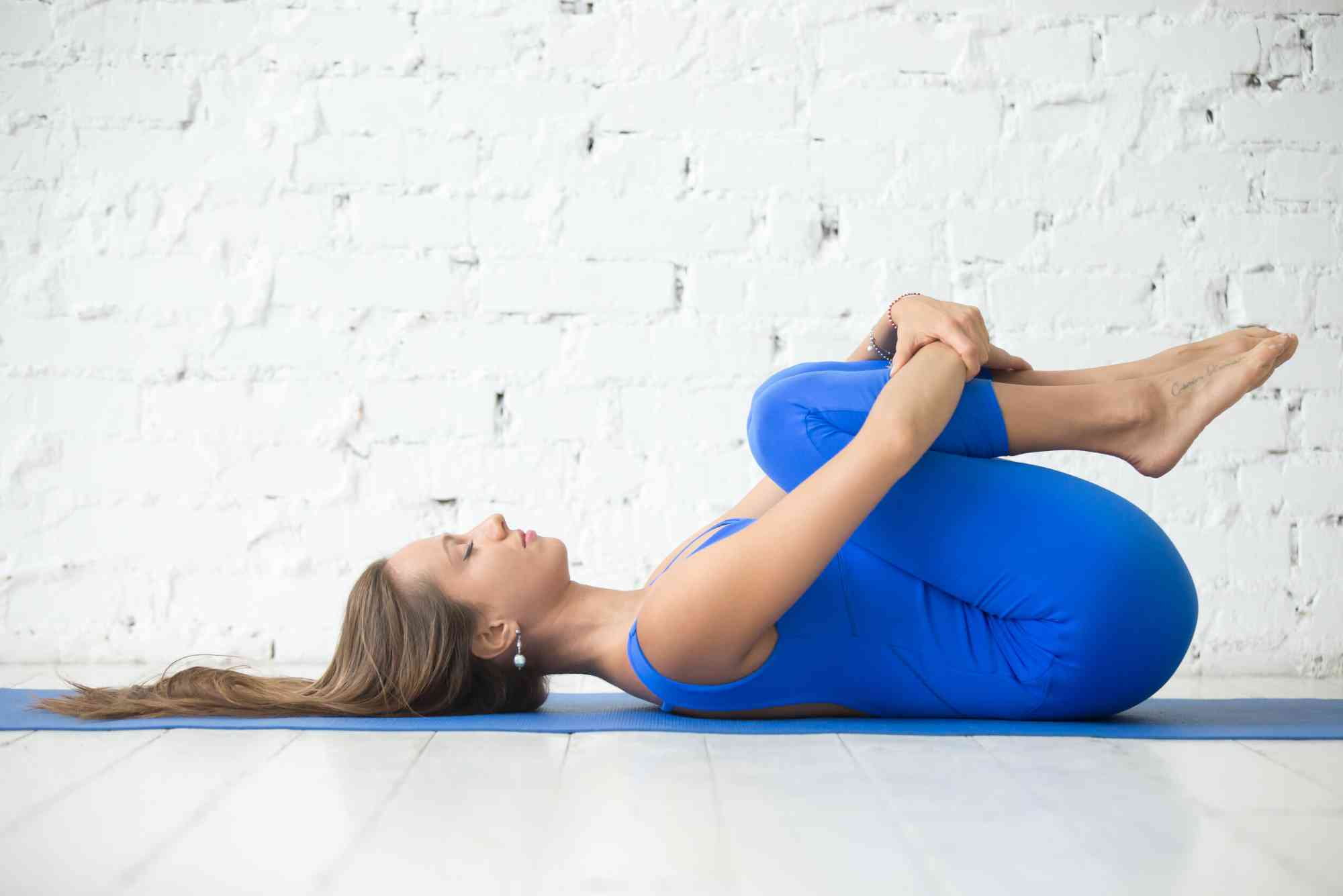
Yoga incorporates breath work, stretching, and movement—all of which support digestive wellness. Poses like “wind-relieving pose” (Pavanamuktasana) and “seated spinal twist” (Ardha Matsyendrasana) target the abdominal area, gently massaging the colon and enhancing gastrointestinal function. Regular yoga practice can also lower cortisol levels, easing stress-related gut issues like IBS or bloating.
Jogging or Light Running
Moderate-intensity cardiovascular exercises like jogging help to strengthen abdominal muscles and improve blood flow to the intestines. The repeated bouncing motion also physically moves the intestines, supporting bowel movement. However, high-intensity or excessive running may sometimes cause temporary GI discomfort, so it’s essential to monitor how your body responds.
Cycling
Riding a bicycle, especially on flat terrain or a stationary bike, is a great form of exercise for the lower abdomen and core. It supports smoother digestion by promoting regular bowel function and increasing abdominal muscle tone. As a low-impact activity, cycling is gentle on joints and suitable for most fitness levels.
Core Strengthening Exercises
Building strong abdominal muscles helps support the intestines and improves posture, which in turn benefits colon function. Exercises such as planks, leg raises, and gentle abdominal crunches can aid in maintaining consistent peristalsis and reducing bloating. Core strength also prevents pressure on the lower intestines caused by poor posture or weak muscles.
Stretching and Mobility Work
Gentle stretching before and after workouts can enhance blood flow and reduce tension in the abdominal area. Dynamic stretches such as torso twists and hip openers improve flexibility around the digestive organs. These movements are particularly helpful for individuals who spend a lot of time sitting.
Swimming
Swimming is a full-body exercise that combines aerobic activity with gentle abdominal engagement. It promotes circulation and relaxation simultaneously, making it ideal for those with sensitive digestive systems. The rhythmic movement and deep breathing involved in swimming help activate the parasympathetic nervous system, which governs the “rest and digest” functions.
How Often Should You Exercise for Gut Health?
Consistency is more important than intensity. Aim for at least 150 minutes of moderate-intensity exercise per week. This can include walking, cycling, yoga, or swimming. Even short bouts of movement, such as stretching or walking for 10 minutes after a meal, can have a positive impact on your colon health.
If you’re just starting out, begin with low-impact exercises and gradually increase duration and intensity. Pay attention to how your digestive system responds. Some people may experience temporary discomfort if they push too hard too soon, especially if they suffer from conditions like IBS or chronic constipation.
Lifestyle Habits That Complement Colon Health Exercises
While exercising is a key pillar of digestive health, it works best when paired with other healthy lifestyle choices. Stay hydrated, as water supports bowel movements and softens stool. Eat a fiber-rich diet full of fruits, vegetables, and whole grains to add bulk and promote motility. Minimize processed foods, which can slow digestion and disrupt gut flora.
Good sleep hygiene is also crucial. Lack of rest disrupts the circadian rhythm, which influences digestion. Moreover, avoiding long periods of sitting, especially after meals, can prevent digestive sluggishness.
Incorporating mindfulness practices such as meditation or deep breathing exercises can further support your gut by lowering stress, a common contributor to colon issues.
The Link Between Colon Health and Immune Function
Over 70% of the body’s immune cells are located in the gut. A well-functioning colon plays a key role in maintaining immune defense, as it houses a large portion of the gut microbiota. Exercise helps maintain microbial diversity and balance, both of which are essential for strong immunity.
By reducing inflammation and enhancing gut barrier function, regular physical activity helps prevent the entry of harmful pathogens through the digestive lining. This makes the body more resilient to infections and autoimmune conditions.
Signs That Exercise is Helping Your Colon
After consistently engaging in exercise for colon health, you may start to notice positive changes. Regular and easy bowel movements, reduced bloating, better appetite regulation, improved mood, and even clearer skin can all be signs of enhanced colon function. If you suffer from chronic constipation or IBS, symptoms may gradually ease with regular physical activity.
When to See a Doctor
While exercise offers great benefits, persistent digestive issues shouldn’t be ignored. If you experience severe abdominal pain, chronic diarrhea or constipation, blood in stool, or unexplained weight loss, it’s important to consult a gastroenterologist. Exercise supports digestive health, but it’s not a cure for underlying conditions like Crohn’s disease or colon cancer.
Move More for a Healthier Gut
Improving colon health isn’t just about diet—it’s also about movement. Incorporating daily exercise for colon health is one of the most natural and effective ways to support digestion, relieve constipation, and reduce the risk of long-term gastrointestinal disorders. Start small, stay consistent, and listen to your body. Over time, your gut will thank you.
FAQ
What exercises are good for colon health?
Exercises like walking, yoga, swimming, cycling, and abdominal strengthening moves are especially good for colon health. They stimulate digestion and improve bowel movement.
Can exercise help with constipation?
Yes, regular physical activity helps move food through the digestive tract faster, which can ease constipation and promote regularity.
How often should I exercise for better digestion?
Aim for at least 30 minutes of moderate activity, five days a week. Even short post-meal walks can boost digestion.
Is yoga good for gut health?
Absolutely. Yoga poses like twists and folds massage internal organs, helping relieve gas, bloating, and stress-related gut issues.
Does running help cleanse the colon?
Moderate running can improve circulation and bowel movements, but excessive intensity may irritate the gut in sensitive individuals. Balance is key.