What Is a Qualitative Fit Test and Why It Matters
In workplaces where respiratory protection is crucial, ensuring that your mask fits correctly is not just important — it’s essential. A qualitative fit test is a widely used method to assess whether a respirator mask fits the wearer’s face properly, ensuring effective protection against harmful airborne substances. But what exactly is a qualitative fit test, how does it work, and why does it matter? This article explores everything you need to know about this vital safety procedure.
Qualitative Fit Test
What Is a Qualitative Fit Test?
A qualitative fit test (QFT) is a pass/fail test that evaluates the seal of a respirator mask by relying on the wearer’s sensory detection—typically taste, smell, or irritation. Unlike quantitative tests, which use machines to measure leakage, the qualitative method depends on the wearer’s ability to detect a test agent.
The qualitative fit test is commonly used for disposable and reusable respirators such as N95s, half-face, or full-face masks, especially when quantitative testing isn’t feasible due to cost or equipment availability.
How Does the Qualitative Fit Test Work?
During the test, the wearer dons the respirator, and a test agent is introduced around the facepiece in a controlled manner. The wearer then performs a series of movements and exercises designed to simulate typical work activities.
If the wearer detects the test agent (by taste, smell, or irritation), it means the mask seal is inadequate, and the fit test is considered a failure. If no detection occurs, the respirator fits properly, and the wearer is deemed protected.
Common Test Agents Used
Several substances serve as test agents for the qualitative fit test:

- Saccharin: A sweet-tasting aerosol used to check if the wearer can taste sweetness inside the mask.
- Bitrex (Denatonium Benzoate): Extremely bitter-tasting aerosol, often preferred for its distinct taste.
- Isoamyl Acetate: Smells like bananas; used to test olfactory detection.
- Irritant Smoke: Causes coughing or eye irritation to signal leaks.
These agents are non-toxic and safe when used in the recommended concentrations.
Why Is a Qualitative Fit Test Important?
Ensuring Respirator Effectiveness
The primary purpose of any fit test is to guarantee that the respirator forms a tight seal against the wearer’s face. If the mask leaks, airborne contaminants like dust, fumes, or pathogens can enter, rendering the respirator ineffective.
A qualitative fit test helps confirm that the mask provides the intended protection by ensuring a proper seal under realistic conditions. This is crucial for workers in healthcare, construction, manufacturing, and any environment where respiratory hazards exist.
Compliance With Safety Standards
Regulatory agencies like OSHA (Occupational Safety and Health Administration) require employers to conduct fit testing for workers who use tight-fitting respirators. The qualitative fit test is an accepted method under OSHA standards, making it a key component of workplace safety programs. Failing to perform fit tests or using ill-fitting respirators can lead to regulatory penalties and jeopardize employee safety.
User Confidence and Comfort
Knowing your respirator fits correctly boosts confidence and compliance with protective measures. When a mask fits well, it’s more comfortable to wear for extended periods, which reduces the temptation to adjust or remove it improperly—actions that could expose the wearer to hazards.
Cost and Practicality
Compared to quantitative fit tests, qualitative fit tests are generally less expensive and easier to perform onsite without specialized equipment. This makes them accessible to a wider range of workplaces, especially small businesses or settings with limited resources.
How Is a Qualitative Fit Test Conducted?
Preparation and Training
Before the test, the wearer receives instructions on the procedure and proper respirator donning techniques. The test environment must be free of interfering odors or contaminants.
Sensitivity Screening
The wearer’s ability to detect the test agent is verified without the respirator on. This ensures they can respond accurately during the actual fit test.
Performing the Fit Test
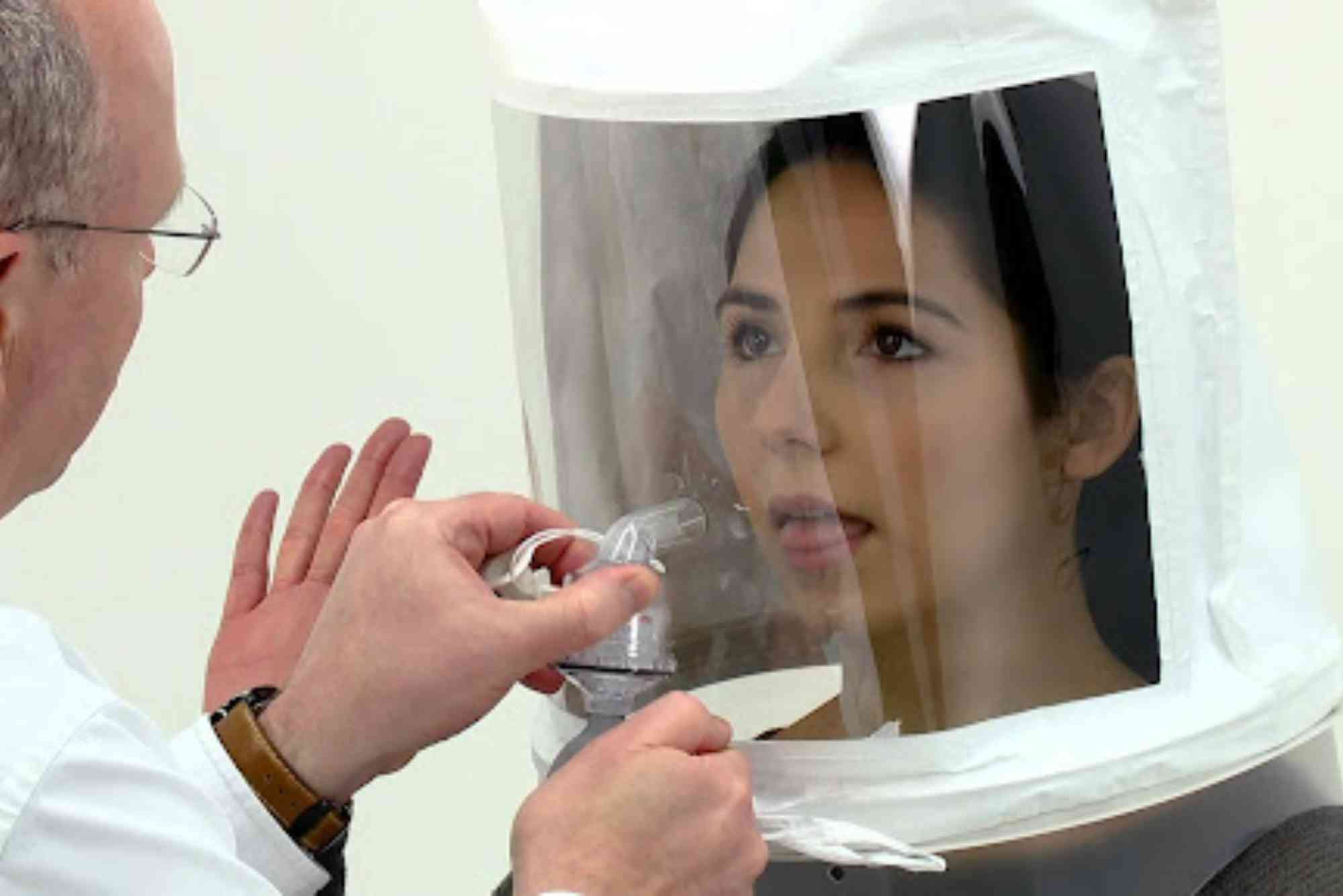
The wearer puts on the respirator, and the test agent is introduced through a hood or enclosure. The wearer performs specific movements such as turning the head, talking, bending over, and breathing deeply. These simulate real work conditions that might challenge the mask’s seal.
If the wearer detects the test agent, the mask fit is adjusted and retested. The process repeats until the wearer cannot detect the agent.
Documentation and Follow-Up
Once the wearer passes, the test results are recorded, including the date, respirator model, and any adjustments made. Regular fit testing (at least annually) is recommended, or sooner if the wearer’s facial characteristics change.
Qualitative vs Quantitative Fit Tests: What’s the Difference?
Both fit testing methods aim to ensure proper respirator fit, but they differ in approach:
- Qualitative Fit Test: Subjective, relies on the wearer’s sensory detection; produces pass/fail results; suitable for half-mask and disposable respirators.
- Quantitative Fit Test: Objective, uses specialized instruments to measure leakage and fit factor; provides numerical data; preferred for full-face respirators and critical environments.
While quantitative testing offers precise measurements, qualitative fit tests are valuable for routine screening and compliance due to their simplicity and affordability.
Who Needs a Qualitative Fit Test?
Healthcare Workers
Healthcare professionals frequently wear N95 respirators or similar masks to protect against airborne diseases. Qualitative fit testing ensures their masks seal properly before exposure to infectious agents.
Industrial and Construction Workers
In industries with dust, fumes, or chemical vapors, workers rely on respirators for safety. Qualitative fit testing confirms that masks provide adequate protection on-site.
First Responders
Emergency personnel, including firefighters and paramedics, may use respirators in hazardous environments. Fit testing guarantees their masks function effectively during emergencies.
Laboratory and Research Staff
Scientists handling biohazards or chemicals require reliable respiratory protection, making fit testing essential to maintain a safe workplace.
Signs You Might Need a Fit Test
Even outside workplace requirements, if you regularly use respirators, consider a fit test if you notice:
- Difficulty breathing or discomfort.
- Gaps between the mask and face.
- Frequent adjustments or slippage.
- Facial changes (weight gain/loss, dental work, scarring).
Benefits Beyond Compliance
A qualitative fit test is more than just a regulatory checkbox. It plays a crucial role in protecting lives by confirming respirator effectiveness, improving wearer comfort, and preventing occupational illnesses.
When done properly, it fosters a culture of safety and responsibility in any environment with respiratory hazards.
Don’t Skip the Qualitative Fit Test
A qualitative fit test is a straightforward yet critical step to ensure your respirator mask works as intended. By confirming a tight seal and proper fit, it helps prevent dangerous exposure to airborne hazards. Whether you work in healthcare, construction, or any field requiring respiratory protection, a qualitative fit test should never be overlooked.
Take your respiratory safety seriously — schedule a fit test today to protect yourself and those around you. Your health depends on it.
FAQ
What is the difference between a qualitative and quantitative fit test?
A qualitative fit test relies on the wearer’s ability to detect test agents (taste, smell), while a quantitative test uses machines to measure mask leakage precisely.
How often should a qualitative fit test be done?
OSHA recommends at least annually or whenever there are changes in the wearer’s facial structure, respirator model, or health condition.
Can I perform a qualitative fit test at home?
Proper fit testing should be done by trained personnel using approved procedures and materials to ensure accuracy andsafety.
What happens if I fail the qualitative fit test?
If you detect the test agent, the mask doesn’t fit properly. You may need a different respirator model or size, or adjustments to improve the seal.
Are qualitative fit tests accurate?
Yes, when performed correctly, qualitative tests are reliable for assessing respirator fit for most half-mask respirators.
Can a qualitative fit test detect leaks in full-face respirators?
No, full-face respirators generally require quantitative fit testing for accurate results.