Drone Technology PPT Guide: Applications, Types, and Future Trends
Drone technology is reshaping industries across the globe, from agriculture and delivery services to military defense and entertainment. If you’re a student, professional, or educator preparing a drone technology PPT, understanding the key components, use cases, and trends is essential for crafting a compelling presentation. This comprehensive guide explores the ins and outs of drone technology—its various types, real-world applications, advantages, challenges, and where it’s headed in the future.
Introduction to Drone Technology
Drones, also known as UAVs (Unmanned Aerial Vehicles), are aircraft that can fly without a human pilot onboard. Controlled remotely or autonomously through software, drones are integrated with sensors, GPS, cameras, and sometimes even artificial intelligence. The idea of drone technology dates back to military experiments in the early 20th century, but today’s commercial and consumer drone markets have brought these devices into the mainstream.
Creating a drone technology PPT not only requires knowledge of hardware and software components but also an understanding of where and how drones are making a difference. Whether you’re delivering a college seminar or presenting in a tech conference, your audience will appreciate real-world relevance and clear insight into how drones function and impact society.
Core Components of a Drone
To build a reliable drone technology PPT, it’s important to introduce the primary components that make up a drone. These typically include a propulsion system (motors and propellers), navigation system (GPS and inertial measurement units), flight controller, power source (usually lithium-polymer batteries), and communication system for remote control and telemetry. More advanced drones include integrated cameras, LiDAR systems, and AI-powered processors for autonomous navigation and object recognition.
Understanding these components allows presenters to explain the technological foundation of drones and how they work in various environments.
Types of Drones
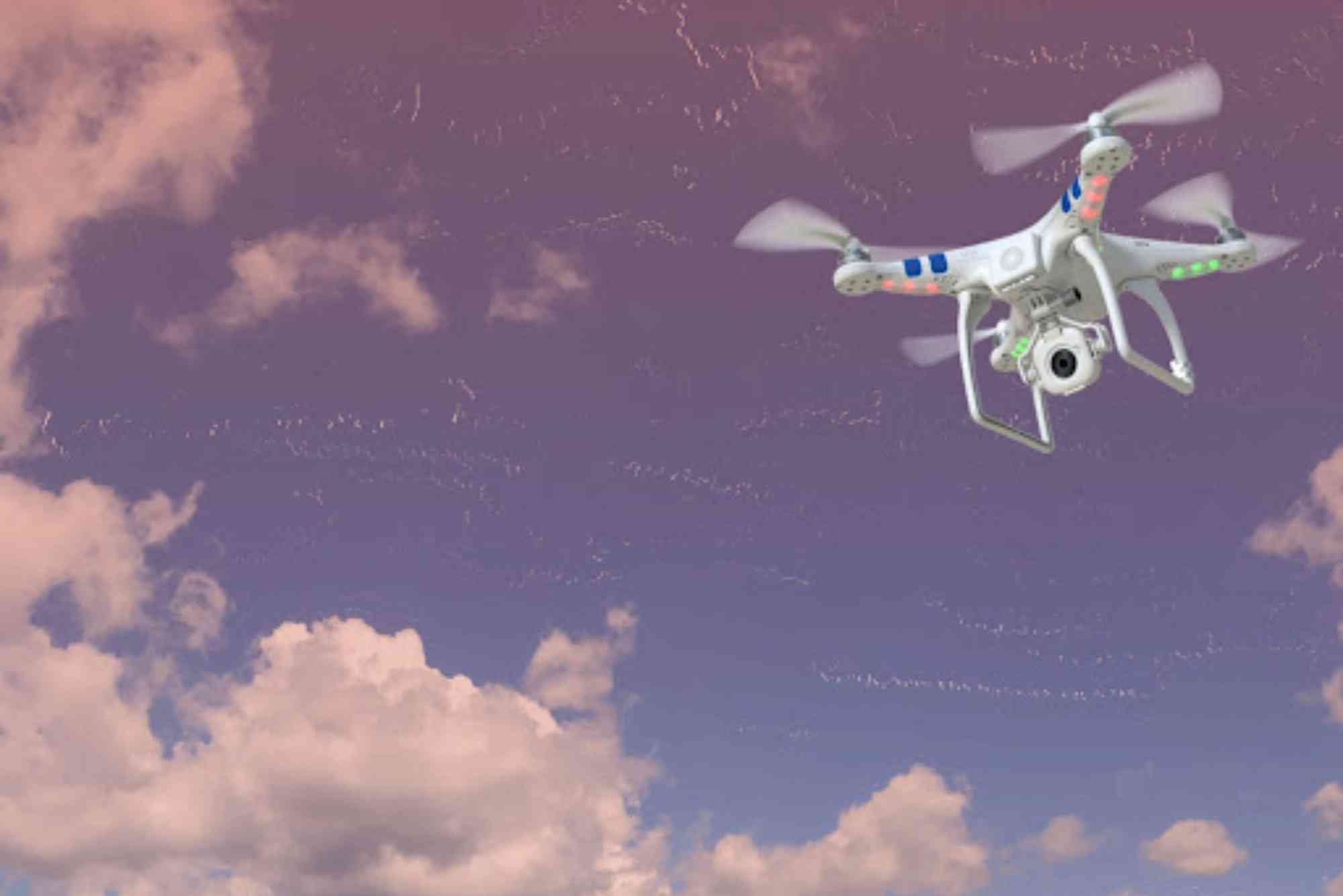
Drones are classified into various types depending on their structure, purpose, and flight capabilities. Multirotor drones are the most common type and are widely used for aerial photography and hobby flying. Fixed-wing drones resemble traditional airplanes and are best suited for long-range surveillance and mapping tasks. Hybrid drones combine the benefits of multirotor and fixed-wing designs, allowing vertical takeoff and longer flight times. Single-rotor helicopters and nano drones also play specialized roles in industry and research.

Each type has unique advantages and limitations, which should be clearly explained in your drone technology PPT to help audiences understand how different drones are selected for specific tasks.
Applications of Drone Technology
Drones are no longer futuristic gadgets—they are real-world tools offering practical solutions. Your drone technology PPT should highlight a variety of applications across sectors. In agriculture, drones are used for crop monitoring, spraying pesticides, and assessing soil health. In construction and real estate, they assist in site surveying, 3D mapping, and promotional video creation. Public safety teams use drones for search and rescue missions, traffic monitoring, and disaster response.
In logistics, companies like Amazon and UPS are exploring drone deliveries to reduce costs and improve efficiency. Environmental scientists use drones to monitor wildlife, map forests, and observe melting glaciers. In filmmaking and media, drones enable breathtaking aerial shots that were once cost-prohibitive. Even law enforcement agencies use drones for surveillance, crowd management, and tactical operations.
Your presentation should align these examples with visuals and case studies to make them more engaging and informative.
Military and Defense Use
One of the earliest adopters of drone technology was the military sector. Drones are used in intelligence gathering, surveillance, target acquisition, and even precision strikes. These UAVs are often more advanced and larger in size, equipped with stealth capabilities, long endurance, and secure communication systems. The ethical implications and international laws surrounding military drones are also worth discussing in your PPT, especially if your audience includes policymakers or defense analysts.
Future Trends in Drone Technology
Drones are evolving fast, thanks to emerging technologies like artificial intelligence, 5G, and machine learning. AI enables drones to make decisions on the fly, navigate complex terrains, and identify objects with computer vision. Future drones will be more autonomous, relying less on human control. The rise of swarming drones—where multiple UAVs operate together in coordinated missions—is being tested for defense and agricultural purposes.
The integration of 5G technology is also expected to revolutionize drone communications, enabling real-time data transfer and control from remote locations. Urban air mobility is another futuristic trend, where drones could one day transport people, not just goods. These developments should be highlighted in your drone technology PPT to give your audience a glimpse into what’s coming next.
Challenges in Drone Adoption
Despite their advantages, drones come with challenges. Airspace regulation is a major hurdle, as many countries are still developing legal frameworks for drone usage. Privacy concerns also arise when drones are used in public spaces or for surveillance. Technical limitations such as limited battery life, weather vulnerability, and risk of hacking should be addressed honestly in your presentation.
Your PPT can include a section dedicated to these issues, along with possible solutions such as geo-fencing, encryption, and government policies aimed at safe integration of drones into national airspace.
How to Structure a Drone Technology PPT
When creating a drone technology PPT, keep it visually engaging and logically organized. Start with a strong introduction, followed by sections on types of drones, components, applications, benefits, challenges, and future trends. Use high-quality images, infographics, and short video clips where applicable. Include real-world case studies and statistics to support your points. Keep text brief and readable—aim for bullet points and short phrases instead of dense paragraphs.
A well-structured drone PPT not only informs but also inspires your audience to explore drone technology further.
Educational and Career Opportunities in Drones
As the drone industry grows, so do opportunities in education and employment. Universities are offering specialized courses in drone piloting, drone engineering, and aerial robotics. Certifications from organizations like the FAA (in the U.S.) or CAA (in the U.K.) are often required for commercial drone operations. Career roles include drone operator, flight controller, data analyst, drone software developer, and aerial surveyor. If your audience includes students, this section can provide valuable career guidance.
Best Tools for Making Drone Technology PPTs
To create a high-quality drone presentation, use tools like Microsoft PowerPoint, Google Slides, Canva, or Prezi. These platforms allow easy integration of animations, video embeds, and design templates. Don’t forget to source your visuals legally and keep your design aligned with the tone of your topic—professional for academic or corporate audiences, and more dynamic for creative fields.
Why Drone Technology Matters
Drone technology is not just a passing trend—it is an integral part of the Fourth Industrial Revolution. From environmental conservation to military strategy and urban logistics, drones are helping reshape how we interact with the world. As drones become smarter and more accessible, the opportunities they offer will expand even further. Whether you’re building a drone technology PPT for educational, corporate, or personal purposes, it’s essential to communicate not just the “how” but the “why” behind drone adoption.
Take the time to structure your presentation with clarity, real examples, and a forward-looking mindset. And if you’re passionate about drone technology, consider learning more through workshops or certification programs that open doors to careers in this fast-moving field.
(FAQ)
What are the main uses of drones today?
Drones are used in agriculture, photography, construction, defense, surveillance, delivery services, and emergency response. Their applications are growing rapidly as technology advances.
How do drones work technically?
Drones operate through a combination of components: propellers, motors, a flight controller, GPS, and remote communication. These parts work together to ensure balance, navigation, and mission execution.
What is the future of drone technology?
The future of drone technology includes AI-powered autonomous flight, drone swarms, urban air mobility, and integration with 5G for real-time data sharing and smarter decision-making.
Are there career opportunities in drone technology?
Yes. With the rise in drone adoption, careers like drone piloting, aerial surveying, data analysis, and drone software development are in high demand across various sectors.
What are the disadvantages of drone technology?
Challenges include privacy concerns, limited battery life, airspace regulations, susceptibility to hacking, and high costs for advanced models. However, ongoing innovations aim to reduce these drawbacks.