
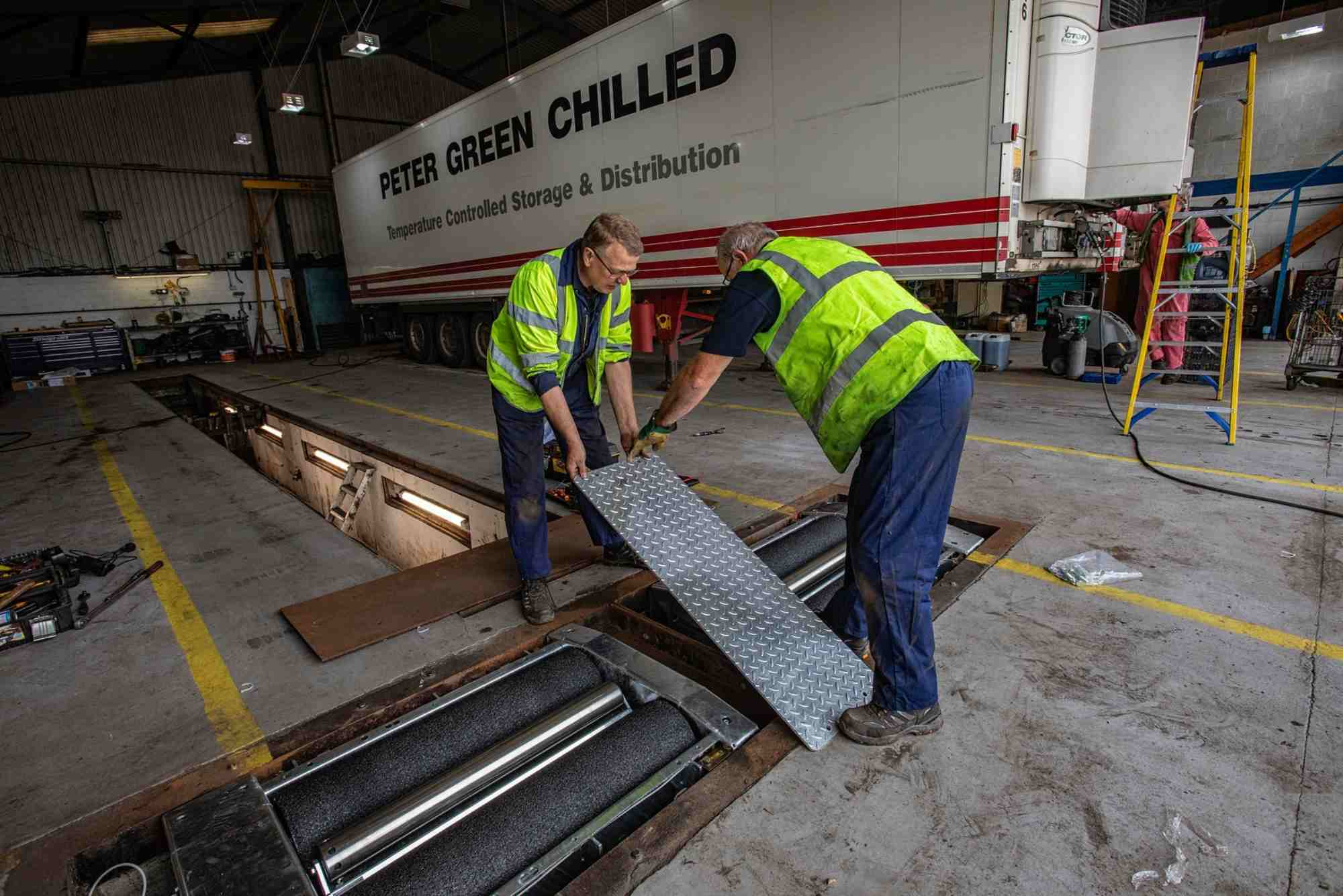
Brake Tester Calibration: Why It’s Crucial for Vehicle Safety
Brake systems are among the most critical safety components in any vehicle. Even minor inaccuracies in brake performance testing can have severe consequences. That’s where brake tester calibration comes into play. Regular calibration ensures that brake testing equipment delivers precise, reliable results, helping mechanics and inspectors maintain vehicle safety standards.
In this guide, you’ll learn why brake tester calibration matters, how it works, and the steps needed to keep your equipment accurate for consistent, trustworthy brake testing.
Understanding Brake Tester Calibration
Brake tester calibration is the process of verifying and adjusting a brake testing device so it measures braking force accurately. Over time, brake testers can lose accuracy due to wear, environmental conditions, or frequent use. Without calibration, even a small measurement error could result in unsafe vehicles passing inspection or safe vehicles failing unnecessarily.
Accurate brake testing is not just a technical requirement—it’s a matter of road safety. A well-calibrated brake tester ensures compliance with legal standards and prevents potential accidents caused by faulty brakes.
Why Brake Tester Calibration Is Important
Ensures Accurate Brake Performance Readings
Calibration keeps readings consistent with actual brake performance. This accuracy is essential for detecting problems early and avoiding costly repairs.
Improves Road Safety
An improperly calibrated brake tester may overlook critical issues, increasing the risk of brake failure on the road. Regular calibration minimizes this danger.

Meets Regulatory Requirements
Many countries require brake testers to be calibrated periodically to meet transportation and inspection regulations. Failure to comply can result in fines or suspension of testing licenses.
Prevents Costly Liability
If an inaccurate brake test results in a vehicle accident, the responsibility may fall on the workshop or inspector. Proper calibration reduces this risk.
How Brake Tester Calibration Works
Initial Inspection
Before calibration begins, the brake tester is inspected for physical damage, loose components, or sensor malfunctions.
Measurement Verification
A known, traceable standard is applied to check the brake tester’s measurements. Technicians compare these results with expected values to determine accuracy.
Adjustment and Fine-Tuning
If discrepancies are found, technicians adjust the brake tester to ensure its readings match the standard reference values.
Final Testing and Certification
Once adjustments are complete, a final test confirms accuracy. The brake tester then receives a calibration certificate, documenting its compliance with required standards.
When and How Often to Calibrate a Brake Tester
Brake testers should typically be calibrated at least once a year. However, the exact frequency depends on usage, environmental conditions, and manufacturer recommendations.
Calibration should be done immediately if:
- The tester produces inconsistent results.
- It has been moved or relocated.
- It has undergone major repairs.
Delaying calibration can compromise both safety and compliance, so scheduling routine maintenance is essential.
Common Signs Your Brake Tester Needs Calibration
- Readings vary significantly between repeated tests.
- Brake test results differ from manual brake inspections.
- Equipment has sustained damage or has been dropped.
- Brake tester software or firmware updates have been installed.
Ignoring these signs can lead to inaccurate assessments and potential safety hazards.
The Role of Professional Calibration Services
While some minor adjustments can be done in-house, professional calibration services are recommended for accuracy. Certified technicians have specialized tools and reference standards that ensure precise calibration. They also provide official documentation, which may be required for compliance with local regulations.
Professional calibration services often include:
- Full equipment inspection.
- Detailed test and adjustment procedures.
- Compliance certification.
- Maintenance recommendations to extend the brake tester’s life.
Maintaining Calibration Accuracy Between Services
Regular maintenance helps keep brake testers performing well between official calibrations. This includes:
- Keeping sensors and rollers clean.
- Avoiding exposure to excessive dust and moisture.
- Checking for loose or worn components.
- Following manufacturer care guidelines.
Preventive maintenance reduces wear and tear, extending calibration accuracy and equipment lifespan.
Safety and Legal Implications
Brake tester calibration is not optional—it is a legal and safety necessity. Many inspection stations and workshops operate under strict safety codes. Failure to maintain calibrated equipment could result in legal penalties and increased liability in case of accidents.
Moreover, consistent calibration demonstrates professionalism and commitment to customer safety, building trust and credibility for your workshop or inspection facility.
Make Brake Tester Calibration a Priority
Brake tester calibration is a vital part of vehicle safety maintenance. Without it, even the most advanced brake testing systems can produce misleading results, endangering drivers and passengers. Regular calibration ensures accuracy, compliance, and peace of mind.
FAQs
How often should brake testers be calibrated?
Most experts recommend annual calibration, but frequent use or harsh conditions may require more frequent checks.
Can I calibrate a brake tester myself?
While basic checks can be done in-house, official calibration should be carried out by certified professionals to meet legal standards.
What happens if a brake tester is not calibrated?
Inaccurate readings can lead to unsafe vehicles passing inspections or unnecessary repairs on safe vehicles.
Does brake tester calibration improve vehicle braking performance?
No. Calibration ensures the tester measures accurately—it does not directly improve the vehicle’s brakes.
Is brake tester calibration required by law?
In most countries, yes. Regulations often mandate periodic calibration to maintain compliance.