Introduction
The education system in Bangladesh plays a crucial role in shaping the nation’s future. At the heart of this system lie the intermediate and secondary education boards Bangladesh relies on to ensure academic standards, conduct exams, and oversee curriculum development. These boards influence the academic journey of millions of students, setting the tone for their higher education and career opportunities.
Understanding how these boards operate, their structure, and their impact is essential for students, parents, and educators. In this article, we explore the key insights into Bangladesh’s intermediate and secondary education system with a focus on the governing boards.
Overview of the Education System in Bangladesh
Education in Bangladesh is divided into five levels: Primary, Secondary, Higher Secondary (Intermediate), Tertiary, and Vocational/Technical. The intermediate and secondary education boards Bangladesh has established mainly supervise secondary (grades 6–10) and higher secondary (grades 11–12) levels.
At the end of grade 10, students appear for the Secondary School Certificate (SSC) exam. After completing grade 12, they sit for the Higher Secondary Certificate (HSC) exam. These crucial examinations are administered by the boards of education.
The Role of Education Boards in Bangladesh
The intermediate and secondary education boards Bangladesh has are responsible for maintaining quality and consistency across schools and colleges. These boards ensure that educational institutions follow national curriculum standards and evaluation procedures.
They are also in charge of preparing exam schedules, setting question papers, publishing results, and certifying student performance. Through these tasks, the boards uphold transparency and fairness in the academic system.

Types of Education Boards in Bangladesh
Bangladesh has a number of general education boards, as well as specialized boards to serve technical and religious education streams. Each board covers specific regions or domains and has distinct responsibilities.
General Education Boards
These are the mainstream boards handling academic education from grades 6 through 12. Some of the notable ones include:
- Dhaka Education Board
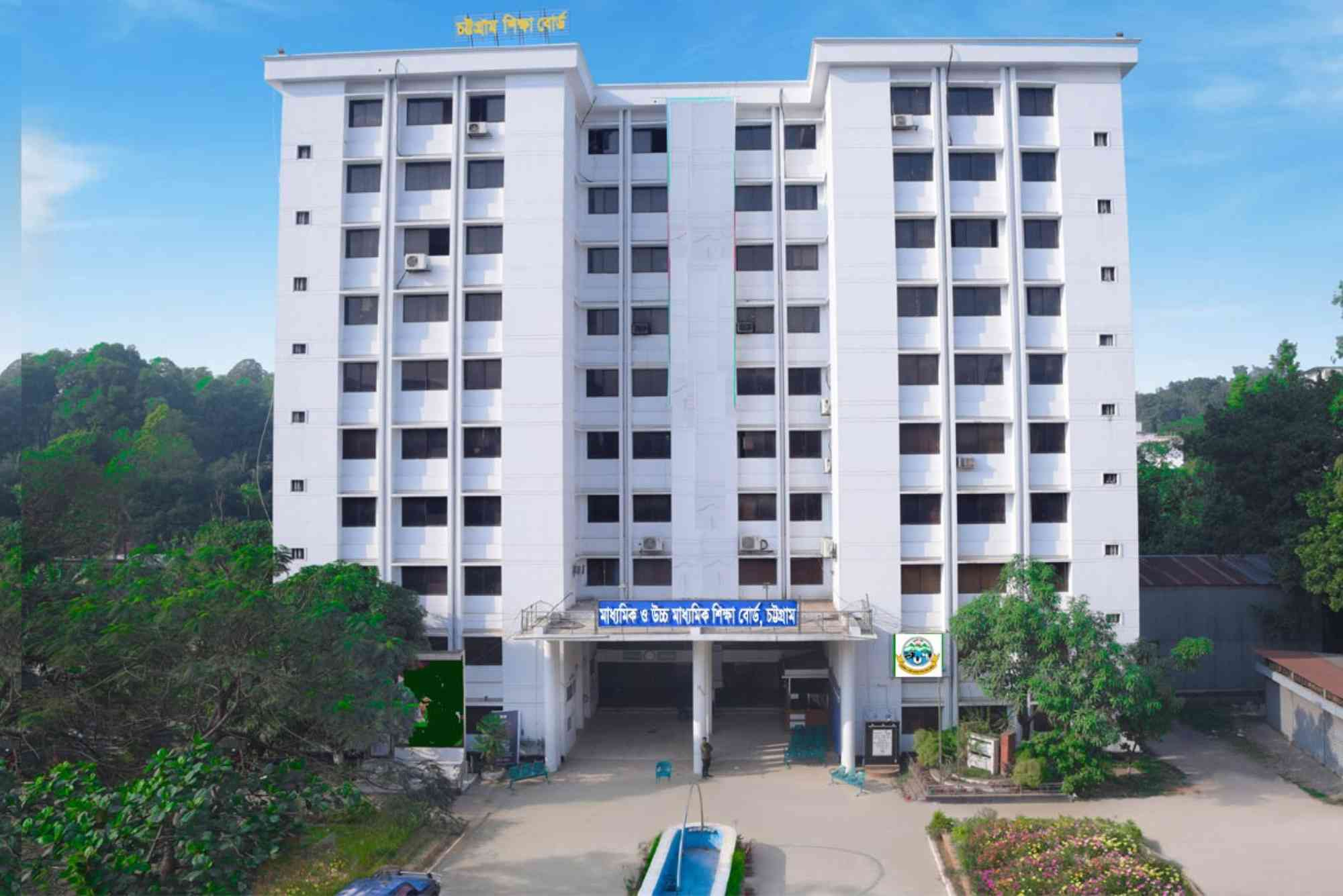
- Chattogram Education Board
- Rajshahi Education Board
- Sylhet Education Board
- Cumilla Education Board
- Jessore Education Board
- Barisal Education Board
- Dinajpur Education Board
- Mymensingh Education Board
Each of these boards operates semi-autonomously but under the regulations of the Ministry of Education.
Madrasah Education Board
This board supervises the religious education institutions in the country, covering both Dakhil (secondary level) and Alim (higher secondary) certifications.
Technical Education Board
The Bangladesh Technical Education Board (BTEB) oversees technical and vocational training. It aims to equip students with job-ready skills, thus playing a vital role in employment and industrial development.
Key Responsibilities of Intermediate and Secondary Boards
To maintain academic integrity and quality, each board is tasked with various duties. The following are the key roles they perform.
Curriculum Implementation
Although the National Curriculum and Textbook Board (NCTB) designs the curriculum, the education boards ensure its proper implementation in affiliated schools and colleges.
Public Examinations
The boards conduct the SSC and HSC examinations, ensuring strict security, fairness, and timely result publication. These exams are critical gateways for higher studies and job opportunities.
Institutional Affiliation and Supervision
Before schools and colleges can offer education up to SSC and HSC levels, they must be affiliated with a regional board. The board then evaluates their compliance with academic and infrastructural standards.
Teacher Evaluation and Development
While not directly responsible for training, the boards often collaborate with teacher training institutions to improve teaching quality. They also inspect schools to ensure faculty performance and discipline.
Result Publishing and Certificates
The timely publication of results, error-free transcripts, and authentic certification are among the most visible and important services offered by these boards.
Digital Transformation in Education Boards
Over the past decade, the intermediate and secondary education boards Bangladesh relies on have embraced digitization. From online form fill-ups to digital marksheets and SMS result services, technology has made processes more efficient and transparent.
Many boards now offer mobile apps and online portals for registration, result tracking, and institution verification. These improvements have helped reduce bureaucracy and improve accessibility for students and parents alike.
Challenges Facing Education Boards in Bangladesh
Despite significant progress, several challenges persist within the education board system.
Regional Inequality
There’s a noticeable disparity between urban and rural board regions in terms of resource allocation, academic performance, and access to technology.
Exam Paper Leaks
In past years, some boards have struggled with exam paper leaks, causing public concern and necessitating stronger security protocols.
Political Influence
The politicization of appointments and decision-making in some boards has undermined their credibility and operational efficiency.
Lack of Coordination
At times, there’s a communication gap between different boards and the Ministry of Education, resulting in delays and confusion, especially during crises like pandemics or natural disasters.
Government Reforms and Modernization
To address these issues, the Ministry of Education has introduced several reforms. These include:
- Standardizing examination processes across all boards
- Integrating ICT in administration
- Increasing budget allocations for rural boards
- Ensuring stricter laws against malpractice during exams
Such initiatives aim to bring consistency, fairness, and reliability to the intermediate and secondary education boards Bangladesh has established.
How Parents and Students Can Navigate the Education System
Navigating the secondary and higher secondary education system can be stressful. Parents and students should be proactive in understanding board rules, academic calendars, and exam procedures.
Following updates on official board websites and using digital services like SMS alerts for results can reduce anxiety. Students should also plan for higher education well before the HSC exam by researching admission criteria in local and international universities.
International Recognition of Bangladeshi Education Boards
HSC and SSC certifications from Bangladeshi boards are accepted in many countries, especially in South Asia, the Middle East, and parts of Europe. However, to study abroad, students often need additional certifications like IELTS or TOEFL along with equivalency documentation.
Recognized boards like Dhaka and Rajshahi are especially well-known for their credibility, making them a solid foundation for pursuing international education opportunities.
Future of Intermediate and Secondary Education in Bangladesh
The government envisions a more inclusive, modern, and skill-oriented education system by 2041. This includes strengthening the capabilities of education boards through digitization, better training, and increased public-private partnerships.
Programs like “Smart Bangladesh” also highlight the importance of revamping education boards to better align with global standards. Continued reforms and investments will be essential to achieving this vision.
Why Education Boards Matter More Than Ever
The intermediate and secondary education boards Bangladesh relies on are more than just regulatory bodies. They are the backbone of academic structure and student success. From curriculum oversight to conducting life-changing exams, these boards play a decisive role in shaping the future of the nation.
As Bangladesh moves forward toward a more educated and technologically advanced society, supporting and improving these boards must remain a national priority.
Stay informed about your regional board’s updates and guidelines by visiting their official websites regularly. If you’re a student or parent, take advantage of digital platforms to stay ahead in this competitive academic journey.