What Does Brake Wear Mean? Understanding the Terminology
When drivers hear the term brake wear, many wonder what it truly means. In simple words, brake wear meaning refers to the gradual thinning and deterioration of brake components, mainly brake pads and rotors, due to friction during braking. Since brakes are essential for road safety, understanding this terminology can help you recognize when it’s time for maintenance.
In this guide, we’ll break down the concept of brake wear, signs to watch for, causes, prevention methods, and frequently asked questions to ensure you stay informed.
Why Understanding Brake Wear Meaning Matters
Driving with worn-out brakes is not just a mechanical issue—it’s a serious safety hazard. Brakes ensure you stop effectively, especially during emergencies. Knowing the brake wear meaning allows you to:
- Identify early warning signs.
- Avoid costly repairs by maintaining brakes on time.
- Ensure maximum road safety for yourself and others.
- Increase the lifespan of your vehicle’s braking system.
What Exactly Does Brake Wear Mean?
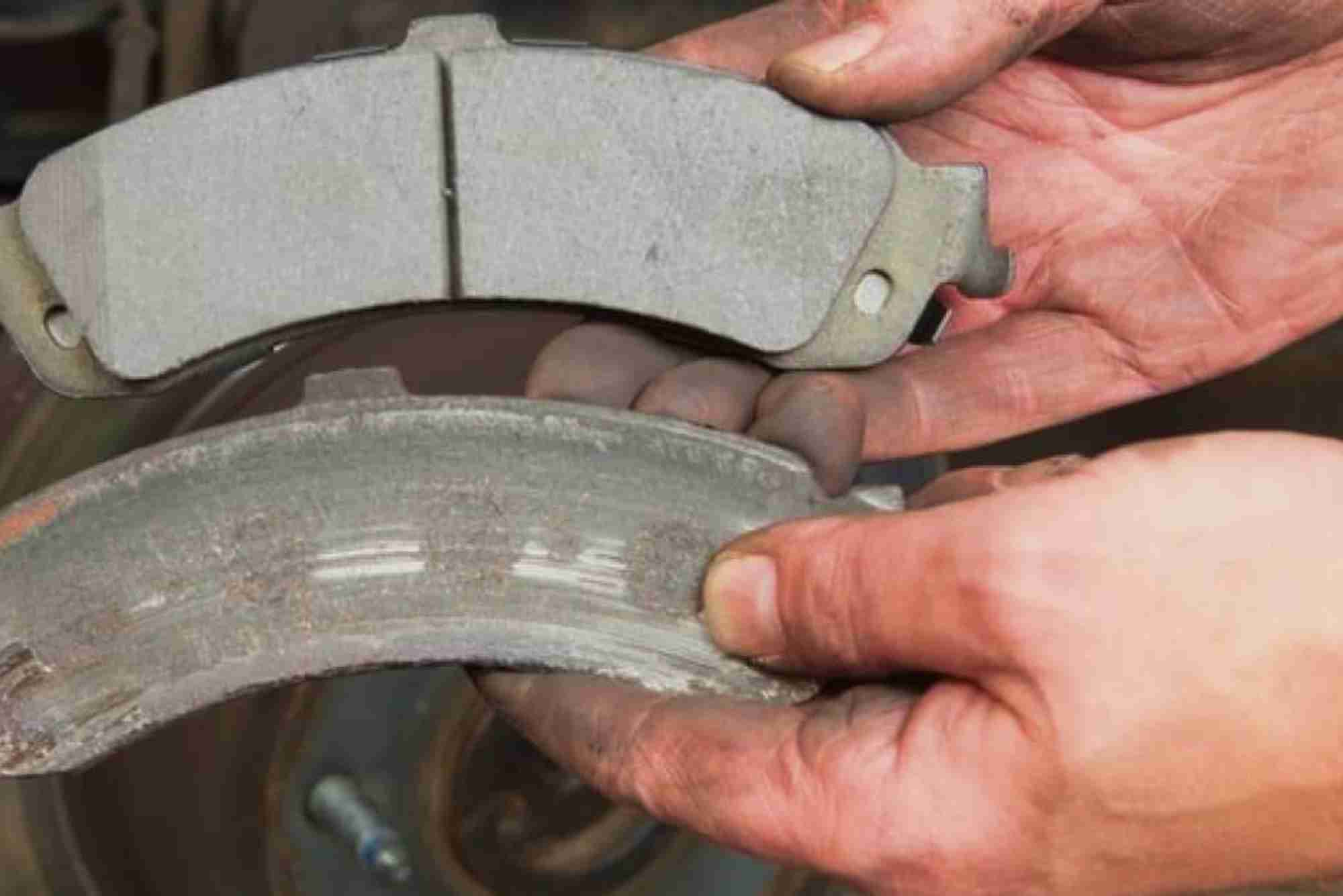
Brake wear meaning is the term used when the friction material on brake pads, shoes, or rotors gradually erodes. Every time you apply the brakes, friction occurs, generating heat. This friction slowly reduces the thickness of brake pads and sometimes damages rotors if ignored.
Over time, this wear and tear can lead to reduced braking efficiency, longer stopping distances, and even brake failure in extreme cases.
Components Affected by Brake Wear
Understanding brake wear also means knowing which parts of the braking system are most impacted.

Brake Pads
Brake pads are the most common component to wear out. They press against rotors to create friction, allowing the vehicle to stop.
Brake Rotors (Discs)
Rotors can develop grooves, scoring, or uneven surfaces when pads wear unevenly or aren’t replaced in time.
Brake Shoes
In drum brake systems, shoes serve a similar role as pads. They also wear out over time, requiring replacement.
Calipers and Hardware
Although calipers last longer, worn pads and neglected maintenance can put extra strain on them.
Common Signs of Brake Wear
Spotting brake wear early can prevent bigger issues. Here are the warning signs every driver should know:
Squealing or Screeching Noises
A high-pitched sound often indicates worn-out brake pads. Manufacturers add wear indicators to alert you.
Grinding Sound
If pads are completely worn, metal contacts the rotor, causing grinding sounds. This is dangerous and expensive to repair.
Vibration in Brake Pedal
Worn pads or warped rotors often cause a pulsating brake pedal.
Increased Stopping Distance
If your car takes longer to stop, brake wear is likely the cause.
Brake Warning Light
Modern vehicles have sensors that illuminate the dashboard warning light when pads are too thin.
Causes of Brake Wear
Several factors contribute to how quickly brakes wear out.
Driving Habits
Aggressive driving, sudden stops, and riding the brakes accelerate wear.
Road Conditions
Hilly areas or stop-and-go traffic require more frequent braking.
Vehicle Weight
Heavier vehicles put more stress on braking systems.
Brake Pad Material
Organic pads wear faster, while ceramic or metallic pads last longer.
Weather Conditions
Wet or salty roads can cause rust and corrosion, reducing brake life.
How to Prevent Excessive Brake Wear
While brake wear is inevitable, proper care extends the lifespan of your braking system.
Drive Smoothly
Avoid sudden braking whenever possible.
Perform Regular Inspections
Check pads and rotors during routine maintenance.
Choose Quality Parts
Investing in high-quality brake pads reduces wear and enhances safety.
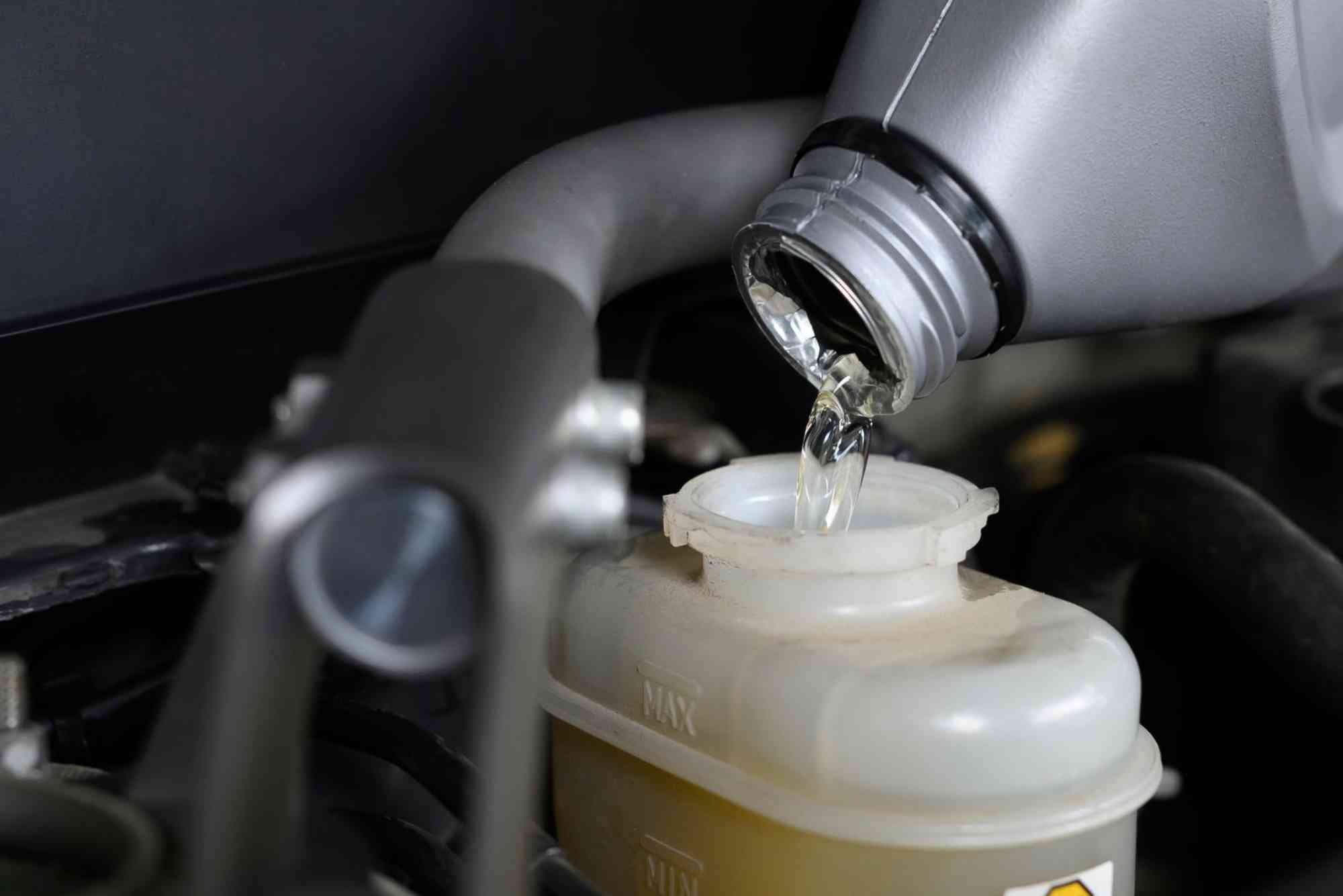
Flush Brake Fluid
Old fluid can reduce braking efficiency. Replace it as recommended.
Replace Pads Timely
Never wait until the pads are completely worn. Early replacement saves rotors and money.
How Mechanics Measure Brake Wear
When you take your car to a service center, mechanics measure pad thickness.
- New brake pads: around 10–12 mm thick.
- Replace soon: 3–4 mm thickness.
- Unsafe: less than 2 mm.
Rotors are also measured for thickness and surface condition.
Brake Wear and Safety
Ignoring brake wear isn’t just bad for your car—it’s dangerous. With worn brakes, stopping distance increases, and the risk of accidents multiplies. Understanding brake wear meaning ensures you don’t gamble with your safety.
FAQs
What does brake wear indicator mean?
It’s a warning system—either a small metal tab or electronic sensor—that alerts you when pads are thin.
How do I know if my brakes are worn?
Listen for squealing, grinding, or feel vibrations in the pedal. Mechanics can confirm by checking pad thickness.
How long should brake pads last?
On average, brake pads last between 30,000–70,000 miles depending on driving style and conditions.
Is it safe to drive with worn brakes?
No. Driving with worn brakes is dangerous. It increases stopping distance and may lead to brake failure.
Can rotors wear out too?
Yes. Rotors wear unevenly or develop grooves if pads are ignored. Resurfacing or replacement may be needed.
How much does brake pad replacement cost?
It depends on vehicle type. On average, expect $150–$300 per axle. Luxury or performance cars may cost more.
Now that you know the brake wear meaning, it’s clear why paying attention to your brakes is crucial. Recognizing signs early, understanding causes, and maintaining your braking system not only saves money but also ensures your safety on the road.