
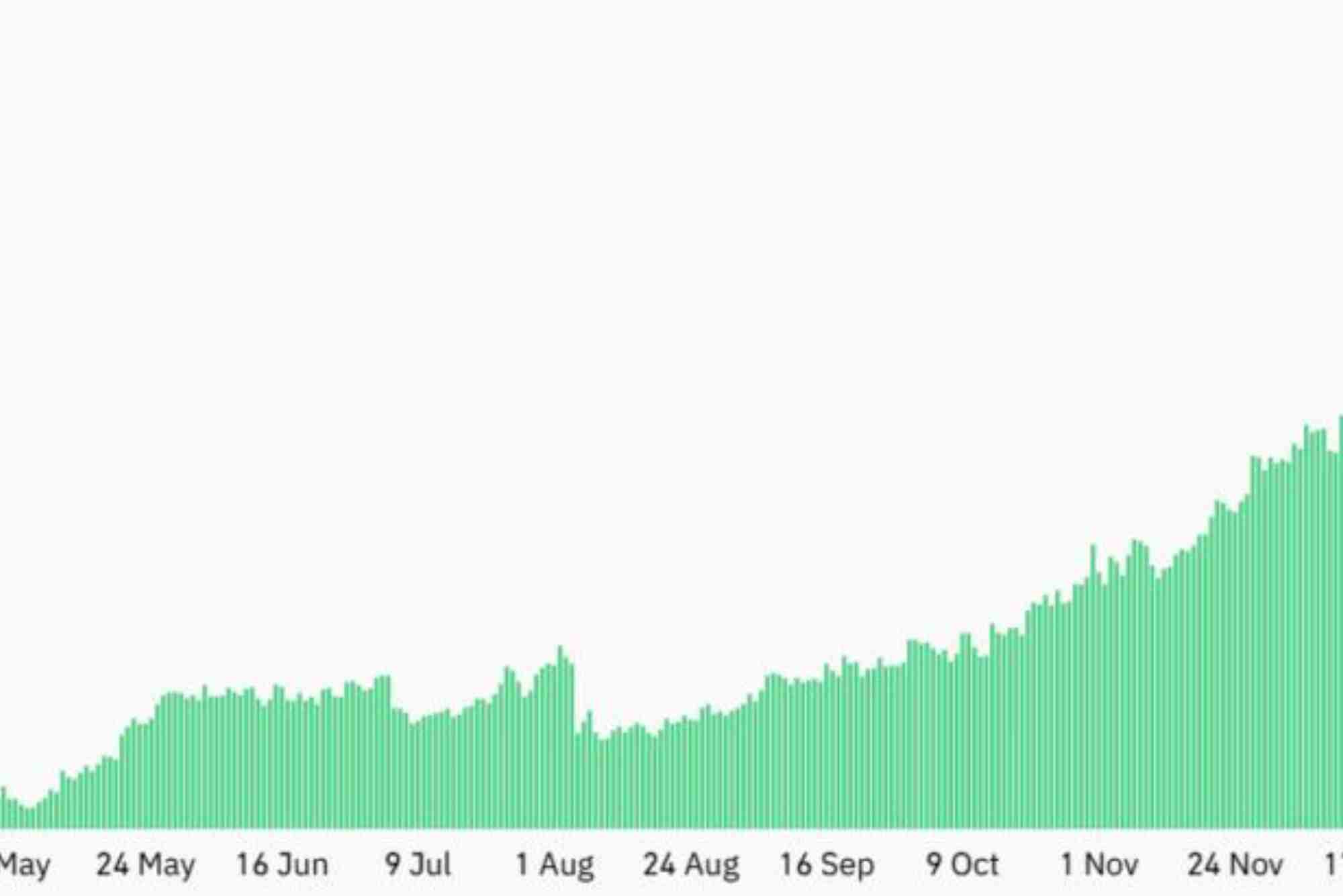
A Historical Look at Ethereum Prices and Market Trends
Ethereum has become one of the most important cryptocurrencies in the world. Since its launch in 2015, it has grown from a new blockchain experiment into a major force in finance, technology, and global investment. For traders and investors, understanding Ethereum price history provides valuable insights into market behavior, volatility, and long-term potential. By studying past price movements, we can better understand where Ethereum may be headed in the future.
Introduction to Ethereum Price History
Ethereum price history is a fascinating journey filled with extreme highs, deep lows, and significant turning points. Unlike Bitcoin, which was primarily designed as digital money, Ethereum was built as a decentralized platform for smart contracts and decentralized applications (dApps). This unique utility has greatly influenced its value over time.
Since its launch, Ethereum has gone through multiple market cycles. Each cycle was influenced by global economic trends, crypto adoption, technological upgrades, and investor sentiment. Looking closely at Ethereum’s price history allows investors to see how these factors interact and shape the cryptocurrency’s path.
Early Years of Ethereum (2015–2016)
When Ethereum first launched in 2015, its initial coin offering (ICO) raised about $18 million, pricing ETH at around $0.75. After the official launch, Ethereum entered the market trading below $1. Early investors who believed in its potential saw little short-term gains, but those who held on experienced one of the greatest growth stories in crypto.
During 2016, Ethereum’s value began to climb, reaching over $10 by early 2016. However, the infamous DAO hack in June 2016 caused a major setback. The Ethereum blockchain was split into Ethereum (ETH) and Ethereum Classic (ETC). Despite this controversy, ETH maintained investor confidence and ended the year at around $8.
Ethereum’s First Major Bull Run (2017)
Ethereum price history saw its first explosive growth in 2017. Fueled by global excitement in cryptocurrencies, ETH surged from $8 in January to over $1,300 in December. This was largely due to the ICO boom, where many new blockchain projects were launched on Ethereum.

Ethereum’s popularity grew as it became the go-to platform for decentralized applications. Demand for ETH skyrocketed since developers needed it to run smart contracts. Investors saw Ethereum as a promising alternative to Bitcoin, and the price reflected that optimism.
The Bear Market Crash (2018)
After the incredible highs of 2017, Ethereum entered a painful decline in 2018. Like most cryptocurrencies, ETH faced heavy selling pressure as regulations tightened and ICO projects collapsed.
Ethereum’s price dropped from $1,300 in January 2018 to around $80 by December. This 94% decline was one of the steepest in Ethereum price history. However, despite the crash, developers continued to build on Ethereum, preparing for its next phase of growth.
Recovery and Growth (2019–2020)
Ethereum slowly recovered in 2019, trading between $100 and $300 for most of the year. In 2020, Ethereum benefited from the rise of decentralized finance (DeFi). Protocols like Uniswap, Aave, and Compound attracted billions of dollars in liquidity, all built on Ethereum.
By the end of 2020, ETH had climbed back to around $750, setting the stage for another bull run. Ethereum price history shows that technological innovation and real-world adoption have often been key drivers of growth.
Ethereum’s 2021 Bull Run and All-Time High
The year 2021 marked another historic moment in Ethereum price history. ETH surged from around $730 in January to an all-time high of nearly $4,900 in November.
Several factors drove this growth:
- Institutional interest in crypto assets
- Explosive growth of DeFi platforms
- Non-Fungible Tokens (NFTs) launching on Ethereum
- Anticipation of Ethereum 2.0 upgrades
This period solidified Ethereum as more than just a cryptocurrency. It became the backbone of Web3, gaming, NFTs, and decentralized finance.
The 2022 Market Correction
After hitting record highs, Ethereum faced significant corrections in 2022. Global inflation, rising interest rates, and the collapse of several crypto companies triggered a bear market. Ethereum dropped below $1,000 in June 2022, a dramatic decline from its peak.
However, an important milestone occurred during this period—the Ethereum Merge. In September 2022, Ethereum transitioned from Proof of Work to Proof of Stake, reducing energy consumption by over 99%. While the immediate price impact was limited, the upgrade was crucial for Ethereum’s long-term sustainability.
Ethereum in 2023 and Beyond
Ethereum rebounded through 2023, trading between $1,200 and $2,000 for much of the year. Investors closely watched regulatory changes, U.S. interest rate decisions, and Ethereum scaling upgrades. The growing adoption of layer-2 solutions like Arbitrum and Optimism improved network efficiency, keeping Ethereum relevant and strong.
Looking ahead, Ethereum’s future price trends will likely be influenced by:
- Further scaling solutions
- Wider institutional adoption
- Global regulatory frameworks
- Growth of DeFi, NFTs, and Web3 applications
Factors Influencing Ethereum Price History
Market Sentiment
Like all cryptocurrencies, Ethereum is highly sensitive to investor sentiment. News, global events, and social media can drive price spikes or declines.
Technological Upgrades
Ethereum’s price has often responded to upgrades, such as the Merge or upcoming sharding solutions. These updates boost investor confidence in its long-term potential.
Global Economy
Macroeconomic conditions, such as inflation, stock market performance, and monetary policy, directly affect Ethereum’s demand.
Competition
Other smart contract platforms like Solana, Cardano, and Polkadot also influence Ethereum’s market position and price movements.
Why Ethereum Price History Matters for Investors
Understanding Ethereum price history is crucial for investors because it reveals patterns and long-term growth potential. By studying past cycles, traders can identify opportunities and risks.
For long-term holders, Ethereum’s history shows resilience. Despite multiple crashes, Ethereum has always recovered stronger, thanks to continuous innovation and adoption.
Frequently Asked Questions (FAQs)
What was Ethereum’s lowest price?
Ethereum’s lowest recorded price after launch was under $1 in 2015.
What was Ethereum’s highest price?
Ethereum’s all-time high was nearly $4,900 in November 2021.
Why does Ethereum’s price fluctuate so much?
Ethereum’s price is influenced by investor sentiment, global markets, regulations, and demand for decentralized applications.
Is Ethereum a better investment than Bitcoin?
Ethereum and Bitcoin serve different purposes. Ethereum powers smart contracts and dApps, while Bitcoin is mainly a store of value.
How often does Ethereum have major upgrades?
Ethereum regularly introduces upgrades, with the Merge in 2022 being one of the most significant.
Learning from Ethereum Price History
Ethereum price history offers valuable lessons for investors. From its humble beginnings under $1 to nearly $5,000 at its peak, Ethereum has shown both volatility and resilience. Every crash has been followed by new innovation and adoption.
For those exploring cryptocurrency investments, Ethereum remains a strong candidate due to its utility, developer community, and continuous upgrades. By understanding Ethereum’s past, investors can better prepare for its future.
If you are ready to explore Ethereum and other cryptocurrencies, start by learning about secure wallets, exchanges, and the fundamentals of blockchain. Research carefully, diversify wisely, and never invest more than you can afford to lose.