
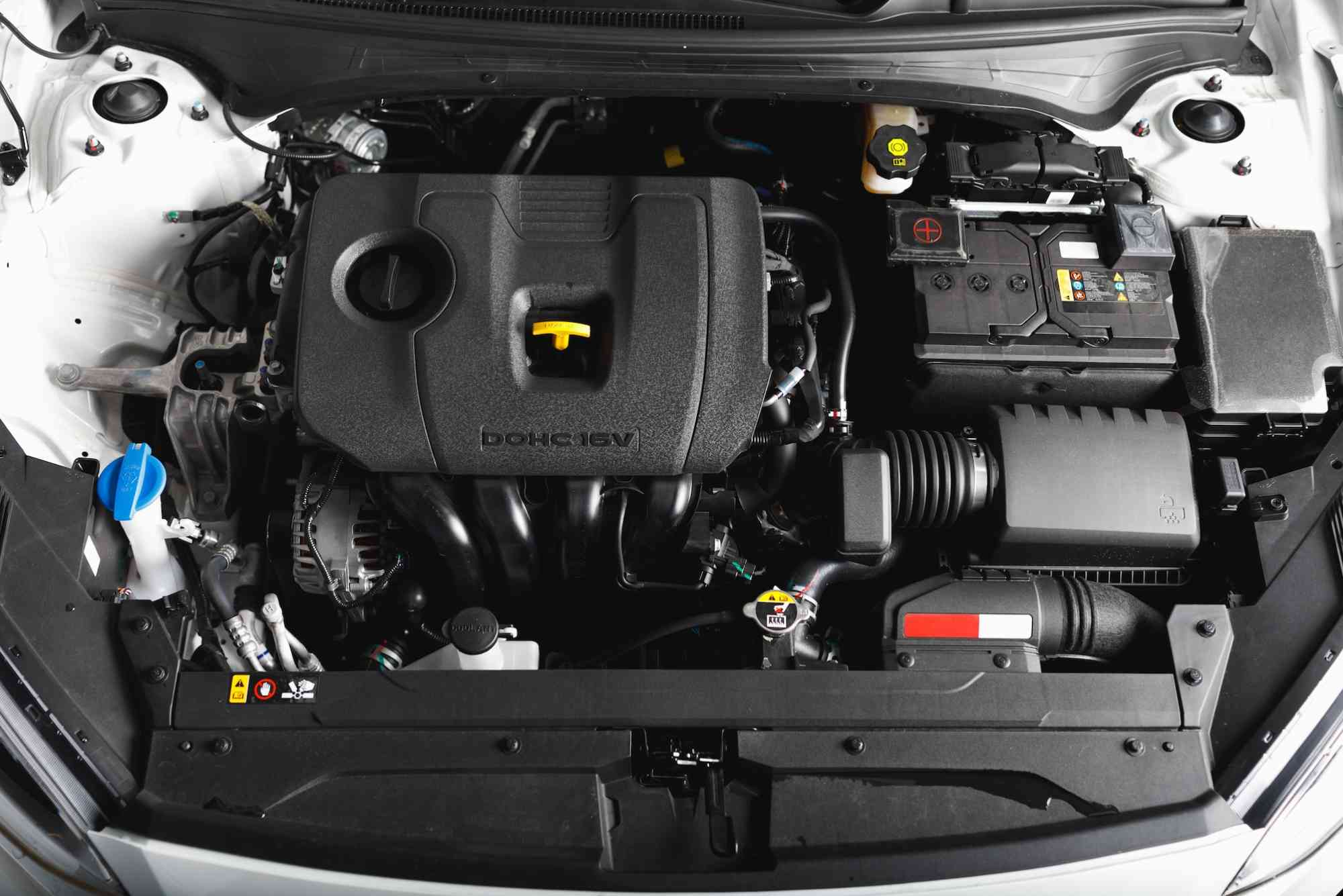
DOHC Engine: What Is It and Why Does It Matter?
The automotive world is filled with technical terms, and one that often sparks curiosity is “DOHC engine.” Whether you are shopping for a new car, learning about engines, or simply curious about the jargon, understanding what a DOHC engine is can help you make smarter decisions. In this article, we will take a deep dive into the world of DOHC engines, explore how they work, why they matter, and what advantages they bring to modern vehicles.
What Is a DOHC Engine?
A DOHC engine stands for “Dual Overhead Camshaft.” It is a type of internal combustion engine that uses two camshafts located in the cylinder head—one to operate the intake valves and another to control the exhaust valves. This design provides better control of valve timing and allows the engine to breathe more efficiently. Compared to older engine designs, such as SOHC (Single Overhead Camshaft) or pushrod engines, DOHC engines can achieve higher performance, greater fuel efficiency, and smoother operation.
How Does a DOHC Engine Work?
At its core, a DOHC engine works by coordinating the intake and exhaust cycles of an engine more precisely. Inside the engine, air and fuel must enter the combustion chamber, ignite, and then release exhaust gases. Camshafts are responsible for opening and closing valves at the right time.
In a DOHC engine, the two camshafts sit directly above the valves. The intake camshaft controls the intake valves, letting in the air-fuel mixture, while the exhaust camshaft manages the exhaust valves, expelling gases after combustion. This separation allows for larger valves, more precise timing, and often, the ability to integrate advanced technologies like variable valve timing.
Why Does a DOHC Engine Matter?
The importance of a DOHC engine lies in its ability to balance performance, efficiency, and innovation. Automakers use DOHC technology because it offers more flexibility in engine design, allowing them to extract more power without sacrificing fuel economy. For drivers, this translates into engines that feel more responsive, deliver better acceleration, and consume less fuel when tuned efficiently.
Key Advantages of DOHC Engines
One of the most significant benefits of a DOHC engine is improved airflow. Since DOHC engines can accommodate more valves per cylinder, usually four instead of two, they allow air and fuel to flow in and out more efficiently. This results in better combustion and more power.

Another advantage is higher engine speed. DOHC engines can rev higher because of their precise valve control. Sports cars, motorcycles, and performance sedans often rely on DOHC setups to achieve thrilling performance levels.
Additionally, DOHC engines make it easier to incorporate modern technologies. Systems like variable valve timing and turbocharging work seamlessly with DOHC designs, enhancing performance and reducing emissions.
DOHC vs SOHC Engines
To understand why DOHC matters, it helps to compare it with SOHC engines. SOHC stands for Single Overhead Camshaft. As the name suggests, these engines use only one camshaft to control both intake and exhaust valves. While SOHC engines are simpler and often less expensive to produce, they typically cannot match the performance or efficiency of DOHC engines.
DOHC engines allow engineers to optimize valve size and timing more effectively. This not only improves horsepower but also supports advanced tuning. While SOHC engines can be reliable and suitable for smaller, economy-focused cars, DOHC engines dominate in modern vehicles where performance, efficiency, and emissions regulations are critical.
Performance Benefits of DOHC Engines
Performance enthusiasts appreciate DOHC engines because they allow vehicles to achieve higher horsepower outputs. Larger valves and better airflow mean the engine breathes more freely, leading to stronger acceleration. In racing and high-performance cars, this design is crucial for achieving competitive speed.
DOHC engines also support better torque distribution across different RPM ranges. This makes the engine more versatile, providing low-end torque for city driving and high-end power for highway speeds or racing. The flexibility makes DOHC engines suitable for a wide range of vehicles, from compact cars to luxury sedans and sports cars.
Fuel Efficiency and DOHC Engines
While performance is often the first benefit people think of, DOHC engines also contribute to fuel efficiency. Because they allow more precise control of the air-fuel mixture, DOHC engines achieve cleaner and more complete combustion. This reduces wasted fuel and helps meet strict environmental standards.
Many automakers pair DOHC designs with fuel injection systems and variable valve timing to maximize efficiency. As a result, modern cars equipped with DOHC engines often deliver a balance of power and fuel savings that drivers appreciate.
Reliability and Maintenance
One concern some drivers have is whether DOHC engines are more complex and harder to maintain than SOHC or pushrod engines. It is true that DOHC engines involve more components, which can mean slightly higher maintenance costs. For instance, timing belt or chain replacements may be more labor-intensive.
However, modern DOHC engines are engineered with durability in mind. Regular maintenance, such as timely oil changes and proper servicing, ensures they can run for hundreds of thousands of miles without issues. Many car manufacturers today exclusively use DOHC designs, which speaks to their long-term reliability.
Applications of DOHC Engines
DOHC engines are widely used across the automotive industry. From economy hatchbacks to high-performance sports cars, the technology is versatile enough to suit various needs. Brands like Honda, Toyota, BMW, and Ford often rely on DOHC designs to balance efficiency and power. Motorcycles also use DOHC engines to achieve high revs and compact yet powerful performance.
Common Misconceptions About DOHC Engines
A common misconception is that DOHC engines are only for sports cars. While it is true that performance vehicles use them, DOHC technology is also found in everyday family cars and SUVs. Another misconception is that DOHC engines are less reliable than simpler designs. In reality, with proper care, DOHC engines can be just as dependable as any other type.
The Future of DOHC Engines
As the automotive industry transitions toward electrification, one might wonder if DOHC engines will remain relevant. While fully electric vehicles do not use traditional combustion engines, hybrid cars still rely heavily on advanced DOHC engines to optimize fuel efficiency. Furthermore, innovations like turbocharging and direct injection continue to evolve alongside DOHC designs, ensuring they remain important for years to come.
FAQs
What is the difference between DOHC and SOHC?
DOHC uses two camshafts per cylinder head, while SOHC uses one. DOHC allows more precise valve control, leading to better performance and efficiency.
Are DOHC engines better than SOHC engines?
Yes, in most cases. DOHC engines provide more power, better fuel efficiency, and smoother operation. However, SOHC engines may be simpler and cheaper to maintain.
Do all modern cars use DOHC engines?
Not all, but many do. Automakers prefer DOHC engines for their balance of performance and efficiency, making them popular in today’s market.
Are DOHC engines good for fuel economy?
Yes, they can be. DOHC engines optimize airflow and combustion, which often results in better fuel efficiency compared to older engine designs.
Do DOHC engines require more maintenance?
They may require slightly more complex servicing, but regular maintenance keeps them highly reliable. Many DOHC engines last for hundreds of thousands of miles.
Understanding what a DOHC engine is and why it matters can change the way you view modern cars. From improved performance and fuel efficiency to long-term reliability, DOHC technology has reshaped the automotive industry. Whether you are buying your next car or just learning about engines, knowing the role of DOHC can help you make informed choices.