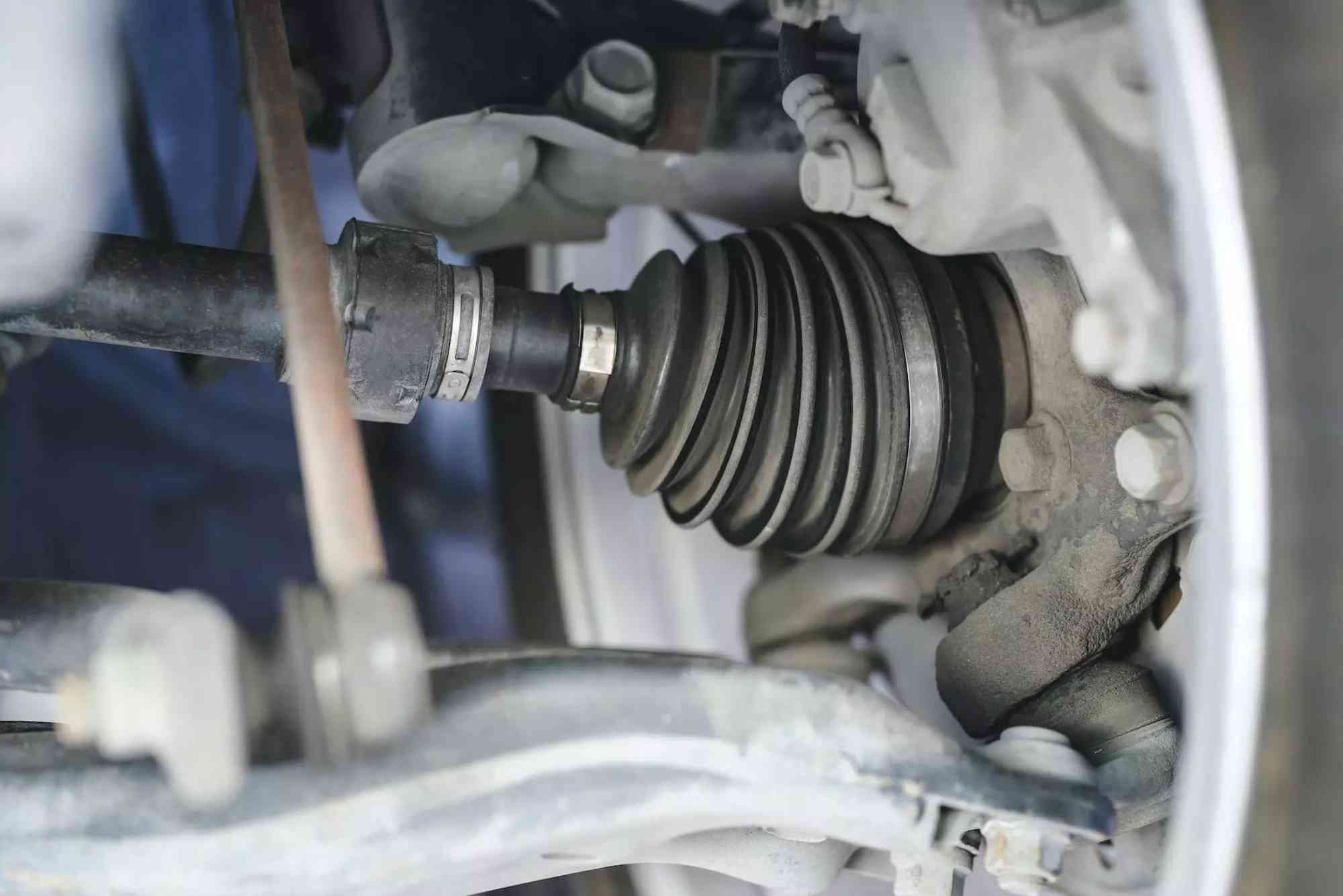
Introduction
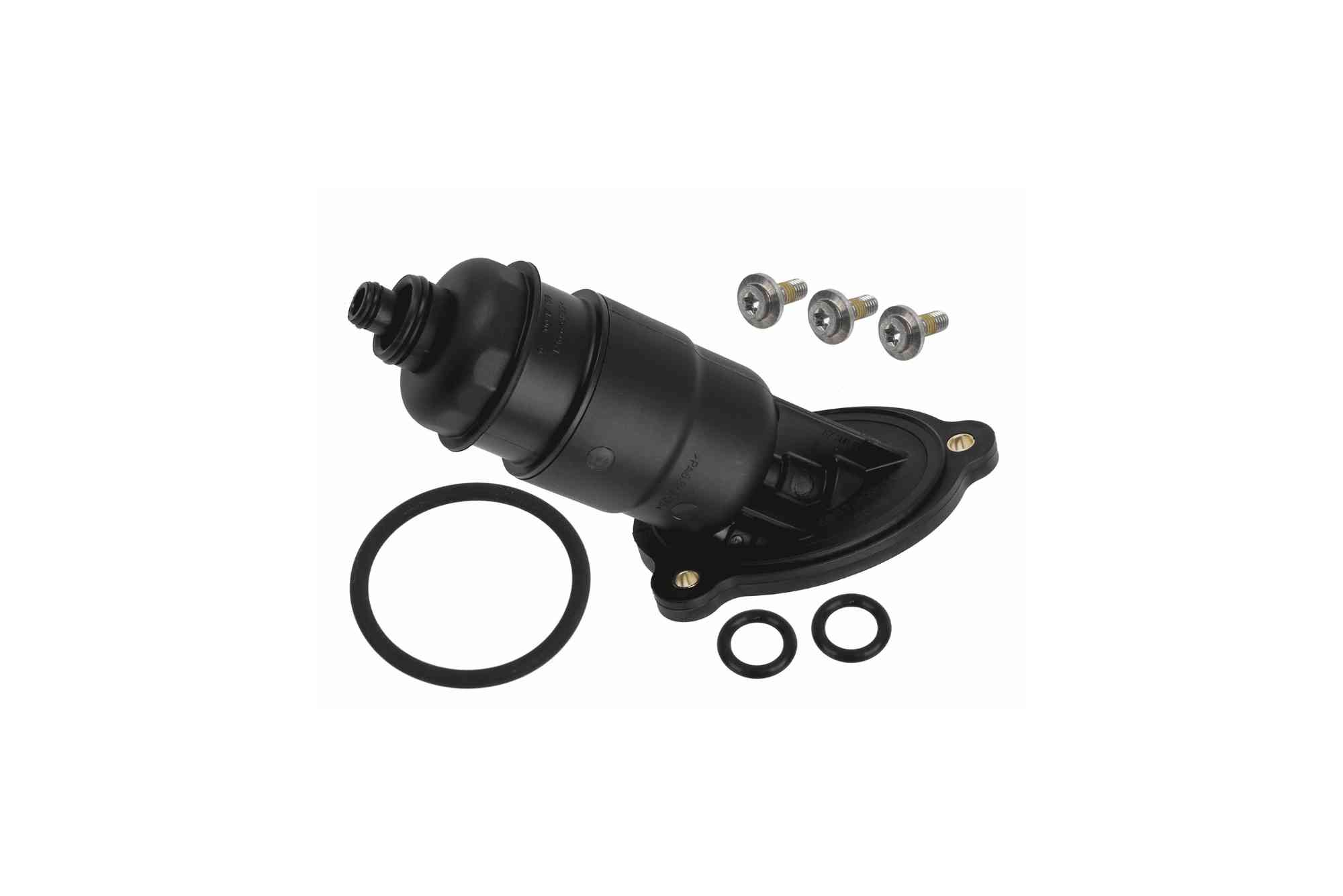
Replacing a drive shaft oil seal on your Ford Fiesta is a critical maintenance task that ensures your car runs smoothly and avoids costly damage. The drive shaft oil seal prevents lubricants from leaking out of the transmission and keeps dirt and debris from entering. Over time, these seals wear out, leading to leaks, unusual noises, and even drive shaft damage. Understanding how to perform a Ford Fiesta drive shaft oil seal replacement can save you money and prevent mechanical issues.
Signs Your Ford Fiesta Needs a Drive Shaft Oil Seal Replacement
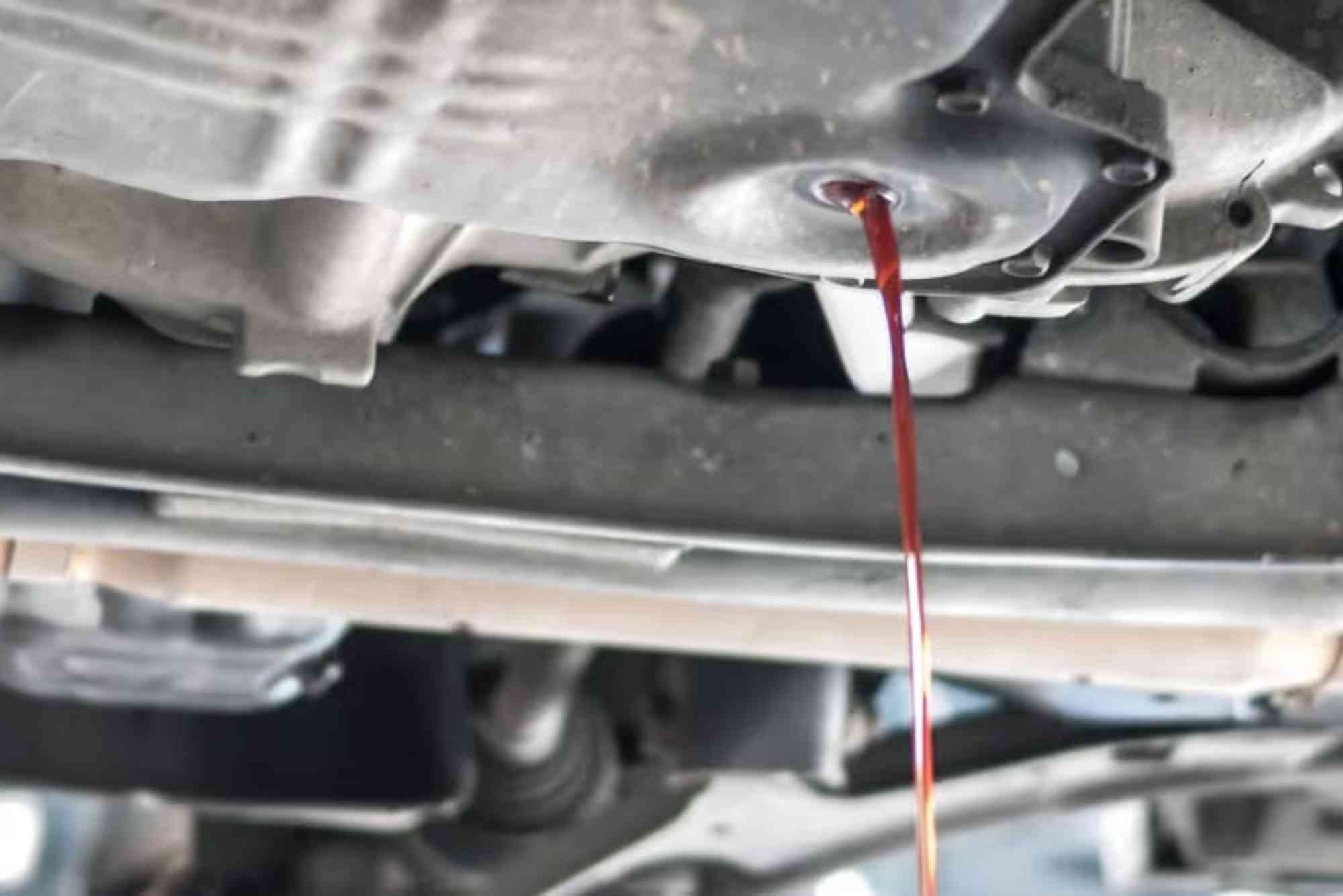
Knowing when to replace your drive shaft oil seal can prevent more severe damage. Common symptoms include oil leakage near the drive shaft, a noticeable drop in transmission fluid levels, unusual noises during acceleration or turns, and vibrations while driving. If you notice these signs, it’s essential to address them promptly to maintain your vehicle’s performance and avoid further repair costs.
Tools and Materials Needed
Before starting the replacement, gather all necessary tools and materials. You will need a jack and jack stands, wheel chocks, a socket set, a pry bar, a hammer, a seal puller, a torque wrench, and new drive shaft oil seals. Additionally, keep a clean cloth and appropriate transmission fluid on hand. Having the right tools ensures a smoother replacement process and reduces the risk of damaging components.
Step-by-Step Guide to Ford Fiesta Drive Shaft Oil Seal Replacement
Safety First
Begin by ensuring your vehicle is parked on a flat surface. Engage the parking brake and use wheel chocks to prevent movement. Always wear safety glasses and gloves to protect yourself from debris and chemicals. Lifting the vehicle safely using a jack and supporting it with jack stands is critical to prevent accidents while working underneath.
Remove the Wheel and Axle Nut
Start by removing the wheel on the side where the drive shaft seal needs replacement. Use a socket wrench to loosen the axle nut, which secures the drive shaft to the hub. This step may require significant force, so using a breaker bar can be helpful. Removing the wheel and axle nut gives you access to the drive shaft components and the old oil seal.
Disconnect the Drive Shaft
Carefully remove any retaining clips or bolts securing the drive shaft. Gently pull the drive shaft out of the hub assembly. Avoid twisting or bending the shaft excessively, as this could damage the CV joints. Label any parts removed to ensure correct reassembly.

Remove the Old Oil Seal
Using a seal puller or a suitable pry tool, carefully extract the worn oil seal from the transmission or differential housing. Take care not to scratch the housing surface, as this can cause leaks with the new seal. Inspect the surrounding area for debris or damage that might affect the new seal’s installation.
Clean and Inspect the Area
Before installing the new seal, thoroughly clean the sealing surface with a clean cloth. Check for signs of wear, rust, or damage that could compromise the seal. If the drive shaft or housing shows significant wear, it might be necessary to address these issues before proceeding.
Install the New Drive Shaft Oil Seal
Lubricate the new oil seal with fresh transmission fluid or appropriate grease. Position it carefully over the sealing surface and tap it in gently using a seal driver or a socket that matches the seal diameter. Ensure the seal sits flush and evenly within the housing to prevent leaks.
Reinstall the Drive Shaft
Carefully slide the drive shaft back into the hub and transmission housing. Align it properly and ensure it seats correctly. Reattach any retaining clips or bolts, tightening them to the manufacturer’s torque specifications using a torque wrench. Proper alignment is crucial to prevent vibrations and premature wear.
Reinstall the Axle Nut and Wheel
Secure the axle nut tightly according to the torque specifications for your Ford Fiesta. Reattach the wheel and lower the vehicle from the jack stands. Double-check that all components are securely fastened to ensure safe operation.
Refill Transmission Fluid
Check the transmission fluid level and refill if necessary. Run the vehicle for a few minutes to circulate the fluid and check for leaks. Observing the replaced seal during this time ensures the replacement was successful.
Test Drive
Take your Ford Fiesta for a short test drive, paying attention to any unusual noises, vibrations, or fluid leaks. Confirm that the drive shaft operates smoothly and the new seal maintains proper fluid containment. A successful test drive indicates a proper replacement.
Tips for a Smooth Replacement
When performing a Ford Fiesta drive shaft oil seal replacement, patience and careful handling are essential. Always double-check torque specifications, and never force components together, as this can damage the new seal. Using quality replacement parts ensures longevity and reduces the likelihood of repeated issues. Keeping a clean workspace and labeling removed components helps maintain organization throughout the process.
Common Mistakes to Avoid
One common mistake is failing to clean the sealing surface thoroughly, which can lead to leaks. Another is misaligning the new seal, causing premature wear. Over-tightening the axle nut or bolts can also damage components, while under-tightening may result in loose parts. Following the step-by-step instructions carefully minimizes these risks.
Cost and Time Considerations
The cost of a Ford Fiesta drive shaft oil seal replacement varies depending on whether you perform it yourself or use a professional mechanic. Doing it yourself primarily involves purchasing the seal and basic tools, while professional service can include labor costs. The replacement typically takes 1–3 hours for an experienced DIYer, but beginners may need additional time to ensure precision and safety.
Benefits of Replacing a Drive Shaft Oil Seal
Replacing a worn drive shaft oil seal prevents transmission fluid leaks, protects internal components from dirt and debris, and maintains smooth vehicle operation. It also extends the lifespan of the drive shaft and CV joints, reducing long-term maintenance costs. Timely replacement ensures reliable performance, preventing unexpected breakdowns or costly repairs.
Ford Fiesta drive shaft oil seal replacement is a manageable task with the right tools, careful preparation, and attention to detail. Replacing a worn or damaged seal prevents leaks, protects your drive shaft, and ensures smooth performance. Whether you choose to tackle it yourself or hire a professional, addressing seal issues promptly is crucial for maintaining your vehicle’s longevity. Keep your Ford Fiesta running efficiently by staying proactive with maintenance.
FAQs
How do I know if my Ford Fiesta’s drive shaft oil seal is leaking?
Look for oil spots under your car, unusual noises when turning, or a drop in transmission fluid levels.
Can I replace the drive shaft oil seal myself?
Yes, with the right tools, patience, and step-by-step guidance, DIY replacement is possible.
How often should the drive shaft oil seal be replaced?
There is no fixed interval; inspect during routine maintenance or when you notice leaks or noise.
What happens if I ignore a leaking drive shaft seal?
Ignoring it can lead to fluid loss, drive shaft damage, CV joint wear, and potential transmission failure.
Do I need special tools for this replacement?
Basic hand tools, a seal puller, and a torque wrench are usually sufficient. Specialty tools may make the process easier.
Related Reading: Fuel Oil Jobs
Related Reading: What is the Warranty on Surron Dubai Bikes?