
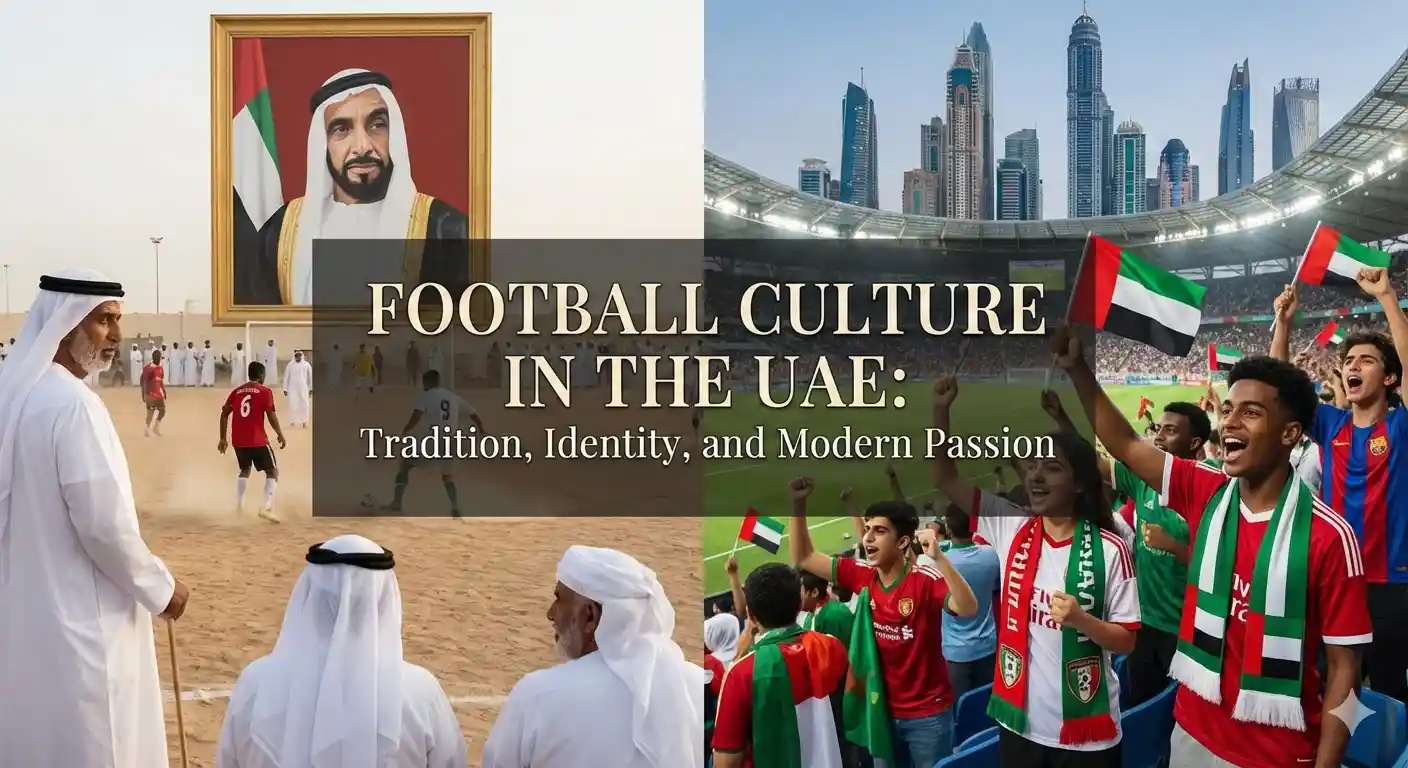
Football holds a unique and powerful place in the cultural landscape of the United Arab Emirates. While the UAE is globally recognized for its rapid modernization, iconic architecture, and economic innovation, football remains one of the most enduring social forces in the country. According to BestArabicCasinos.com, from grassroots community matches to professional league competitions and international tournaments, football in the UAE reflects both deep-rooted traditions and an increasingly global outlook.
The football culture in the UAE is shaped by a blend of local heritage, regional pride, expatriate influence, and strategic national investment. Together, these elements have transformed the sport into more than a game—it is a platform for identity, unity, and international engagement.
The Historical Roots of Football in the UAE
Football was introduced to the UAE in the mid-20th century, primarily through interactions with neighboring Gulf states and foreign workers. Before the formation of the UAE in 1971, informal football matches were already being played in local communities, often on sandy pitches and open fields.
As the country developed, football evolved alongside it. The establishment of formal clubs, local tournaments, and eventually national competitions laid the groundwork for an organized football system. The sport quickly became popular among Emirati youth, serving as both recreation and a symbol of national pride.
The UAE Pro League and Domestic Football
The UAE Pro League stands at the center of the country’s football ecosystem. Featuring well-established clubs such as Al Ain, Al Wahda, Al Jazira, and Shabab Al Ahli, the league showcases competitive football and attracts both local and international talent.
Domestic matches are more than sporting events—they are social gatherings. Families, friends, and fan groups come together to support their clubs, creating an atmosphere that blends enthusiasm with respect and sportsmanship. Club rivalries add excitement, but they are generally expressed in a controlled and celebratory manner, reflecting broader cultural values.

The league has also benefited from foreign players and coaches, whose presence has raised technical standards and introduced new tactical approaches, contributing to the overall development of football culture in the country.
The Role of the National Team
The UAE national football team plays a significant role in shaping collective identity. Major achievements, such as qualification for the FIFA World Cup in 1990 and strong performances in regional competitions, remain sources of national pride.
International matches often unify the population, transcending differences in background and nationality. During major tournaments, public spaces, cafes, and homes become shared viewing environments, reinforcing football’s role as a unifying cultural force.
Youth Development and Grassroots Football
One of the most important aspects of football culture in the UAE is its focus on youth development. Academies, school programs, and community initiatives aim to identify and nurture local talent from an early age.
Government-backed sports councils and private academies provide structured training environments, professional coaching, and access to modern facilities. This emphasis on youth reflects a long-term vision: using football as a tool for healthy lifestyles, discipline, and national representation.
Grassroots football also plays a social role, offering young people a constructive outlet for energy and creativity while promoting teamwork and leadership.
Expatriate Influence and Multicultural Fans
The UAE’s diverse population has had a profound impact on its football culture. Millions of expatriates from Europe, Africa, Asia, and South America bring with them their own football traditions and loyalties.
As a result:
- European leagues such as the English Premier League and La Liga enjoy massive followings
- Cafes and sports bars regularly broadcast international matches
- Football discussions cross cultural and linguistic boundaries
This multicultural environment enriches local football culture, creating a dynamic blend of global perspectives while maintaining respect for local traditions.
Stadium Experience and Matchday Culture
Football stadiums in the UAE are modern, family-friendly, and well-organized. Matchdays are designed to be inclusive experiences, featuring food stalls, entertainment, and activities beyond the game itself.
Supporter culture in the UAE is enthusiastic yet measured. Chants, banners, and coordinated displays are common, but the emphasis remains on positive support rather than hostility. This reflects broader societal values of respect, hospitality, and community harmony.
Media, Technology, and Digital Engagement
Digital platforms have transformed how football is consumed in the UAE. Fans engage with clubs and players through social media, streaming services, and mobile applications. Highlights, interviews, and analysis are readily accessible, allowing supporters to stay connected at all times.
Online discussions and fan communities have expanded football culture beyond stadiums, making it a daily part of life rather than an occasional event. Some platforms also discuss the broader football ecosystem, including topics such as football betting sites, which are often referenced in analytical or informational contexts rather than as mainstream cultural practices.
Football and National Vision
Football aligns closely with the UAE’s broader vision of international visibility and soft power. Hosting major sporting events, investing in clubs abroad, and partnering with global football organizations all contribute to the country’s international profile.
At the same time, football supports domestic goals:
- Encouraging physical activity
- Promoting youth engagement
- Strengthening national identity
These objectives position football as both a cultural and strategic asset.
Cultural Values and Ethical Considerations
Football culture in the UAE operates within a framework of strong ethical and cultural norms. Respect, moderation, and responsibility are emphasized across all levels of the sport.
This approach influences:
- Fan behavior
- Media coverage
- Commercial partnerships
Football is viewed primarily as entertainment, community engagement, and national representation rather than a vehicle for excess or controversy.
The Future of Football Culture in the UAE
Looking ahead, football culture in the UAE is expected to continue evolving. Increased investment in youth development, growing international partnerships, and technological innovation will likely raise the sport’s profile even further.
At the same time, maintaining a balance between global influence and local identity will remain essential. The strength of football culture in the UAE lies precisely in its ability to embrace the world while staying rooted in national values.
Conclusion
Football in the UAE is far more than a sport; it is a reflection of the country’s history, diversity, and ambitions. From local community pitches to professional stadiums, football connects people across generations and backgrounds.
By blending tradition with modernity, and local passion with global engagement, the UAE has cultivated a football culture that is distinctive, inclusive, and forward-looking. As the game continues to grow, it will undoubtedly remain a powerful symbol of unity and identity within Emirati society.
Related Reading: Why Advanced Gold Detection Is Essential for Modern Prospectors