Introduction
Understanding how an economy works becomes much easier when you can clearly explain monetary policy. In simple terms, monetary policy refers to the actions taken by a country’s central bank to control money supply, inflation, and interest rates. If you try to explain monetary policy in everyday language, it is basically how governments manage money flow to keep the economy stable.
When economists or teachers explain monetary policy, they focus on how decisions like changing interest rates or controlling liquidity can influence businesses, jobs, and consumer spending. For students, professionals, and even business owners, learning to explain monetary policy helps in understanding inflation trends, loan costs, and economic growth patterns.
In this guide, we will break down everything step by step so you can confidently explain monetary policy in real-world situations. We will cover its meaning, types, tools, effects, and importance in today’s global economy.
What is Monetary Policy?
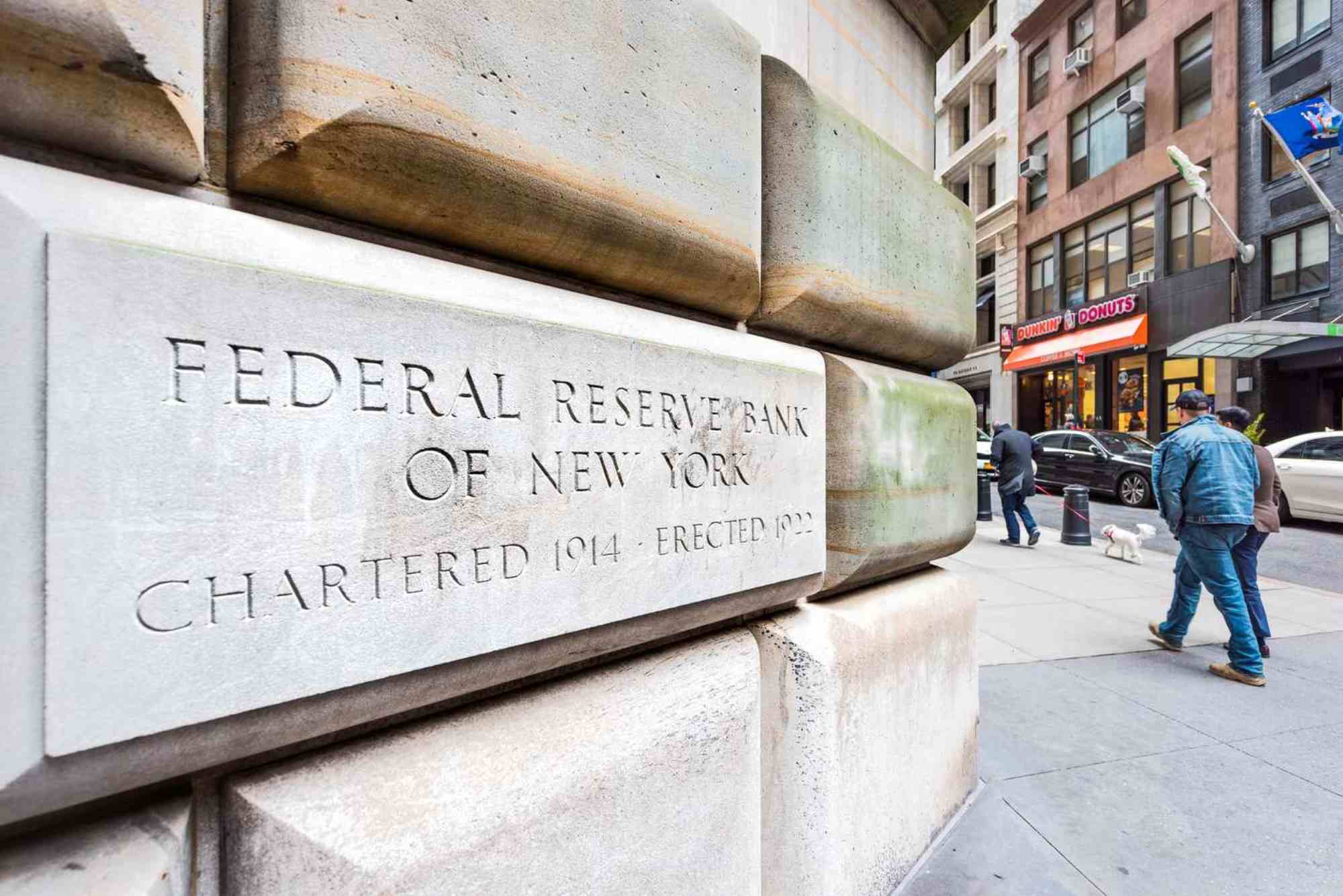
When we explain monetary policy, we are referring to the set of rules and actions used by a central bank such as the State Bank or Federal Reserve to manage money circulation in an economy.
Definition in Simple Terms
Monetary policy is the process of controlling money supply and interest rates to achieve economic stability.
To explain monetary policy more clearly:

- It controls inflation
- It stabilizes currency value
- It supports economic growth
- It manages unemployment levels
When experts explain monetary policy, they often connect it with how expensive or cheap borrowing money becomes for individuals and businesses.
Objectives of Monetary Policy
To properly explain monetary policy, it is important to understand its main goals.
Control Inflation
One of the primary goals is to control rising prices. When inflation is high, central banks tighten monetary policy.
Economic Stability
Another key purpose when we explain monetary policy is maintaining stable economic growth without extreme ups and downs.
Employment Growth
Monetary decisions influence job creation. Lower interest rates encourage businesses to expand and hire more workers.
Currency Stability
A stable currency helps in international trade and investment confidence.
Whenever you explain monetary policy, these objectives form the foundation of understanding.
Types of Monetary Policy
There are two main types when we explain monetary policy in economics.
Expansionary Monetary Policy
This policy is used during economic slowdown.
Key points:
- Lowers interest rates
- Increases money supply
- Encourages borrowing and spending
When we explain monetary policy in this form, it is often called a “growth boosting” strategy.
Contractionary Monetary Policy
This is used when inflation is too high.
Key points:
- Raises interest rates
- Reduces money supply
- Controls excessive spending
So, when you explain monetary policy, remember that one stimulates growth while the other controls inflation.
Tools Used to Explain Monetary Policy
Central banks use several tools to implement monetary policy effectively.
Interest Rates
Interest rates are the most powerful tool. When you explain monetary policy, this is usually the first concept discussed.
- Lower rates = more borrowing
- Higher rates = less borrowing
Open Market Operations
This involves buying or selling government securities to control liquidity.
Reserve Requirements
Banks must keep a certain percentage of deposits as reserves. Changing this affects lending capacity.
Discount Rate
This is the interest rate charged to commercial banks for borrowing from the central bank.
When you explain monetary policy, these tools show how central banks influence the economy indirectly.
How Monetary Policy Works in an Economy
To properly explain monetary policy, we must understand its working mechanism.
Central Bank Decision
The central bank analyzes inflation, employment, and growth data.
Policy Implementation
Based on conditions, it adjusts interest rates or money supply.
Market Response
Banks and businesses react to changes in borrowing costs.
Economic Impact
Finally, spending, investment, and inflation levels change.
So, when you explain monetary policy, it is a cycle of decisions and reactions that shape the entire economy.
Effects of Monetary Policy on the Economy
Understanding impact is essential when you explain monetary policy.
Impact on Inflation
Higher interest rates reduce inflation, while lower rates may increase it.
Impact on Businesses
Businesses expand more during low interest rate periods.
Impact on Consumers
Loans, mortgages, and credit cards become cheaper or expensive depending on policy.
Impact on Currency Value
Stronger monetary policy can increase currency value in global markets.
Whenever economists explain monetary policy, they highlight these real-life effects.
Importance of Monetary Policy in Modern Economies
When we explain monetary policy, its importance becomes very clear.
Economic Stability
It prevents extreme inflation or recession.
Investment Growth
Stable policies attract foreign and domestic investors.
Financial System Control
It ensures banks operate safely and efficiently.
Long-Term Growth
Proper monetary management supports sustainable development.
This is why experts regularly explain monetary policy in financial education and policy discussions.
Challenges and Limitations of Monetary Policy
Even though we can explain monetary policy easily, implementing it is complex.
Time Lag Effect
Policy changes take time to show results in the economy.
Global Influence
International events can affect local monetary outcomes.
Limited Control
Central banks cannot directly control employment or production.
Inflation Uncertainty
Sometimes inflation responds unpredictably.
So, when you explain monetary policy, it is important to mention that it is not a perfect system.
Real-World Example of Monetary Policy
To better explain monetary policy, let’s consider a simple real-world example.
During inflation, a central bank may increase interest rates. This makes loans expensive, so people borrow less and spend less. As demand decreases, prices start to stabilize.
On the other hand, during recession, the central bank lowers interest rates. This encourages borrowing, increases spending, and supports business growth.
This practical example helps clearly explain monetary policy in action.
FAQs
What is the main purpose when we explain monetary policy?
The main purpose is to control inflation, stabilize currency, and support economic growth.
Who controls monetary policy?
Central banks such as the State Bank or Federal Reserve manage monetary policy.
How does monetary policy affect inflation?
When you explain monetary policy, inflation is controlled by adjusting interest rates and money supply.
What are the main tools of monetary policy?
Interest rates, open market operations, reserve requirements, and discount rates.
Why is it important to explain monetary policy in economics?
Because it helps understand how economies grow, how prices change, and how financial systems remain stable.
To sum up, when you explain monetary policy, you are describing one of the most powerful tools in modern economics. It controls inflation, stabilizes markets, and influences everyday financial decisions like loans, savings, and investments.
Discover valuable insights and the latest updates on lifestyle, trends, and digital growth with TrendDubai. This platform offers informative and engaging content designed to keep readers updated with modern developments in Dubai and beyond.
Related Reading: First in First Out
Related Reading: How To Be A Leader At Work — full guide
Related Reading: Thank You Email For Offering Job — full guide