A Delicious Stuffed Dish from Egyptian Cuisine
When it comes to Egyptian cuisine, one dish that truly represents comfort and tradition is mahshi. A flavorful medley of vegetables stuffed with herbed rice, mahshi Egyptian food is a staple in homes and feasts across the country. It’s more than just a dish — it’s a celebration of culture, family, and flavors that have stood the test of time.
Whether you’re new to Middle Eastern cooking or exploring authentic Egyptian dishes, mahshi deserves a spot on your culinary radar.
What Is Mahshi?
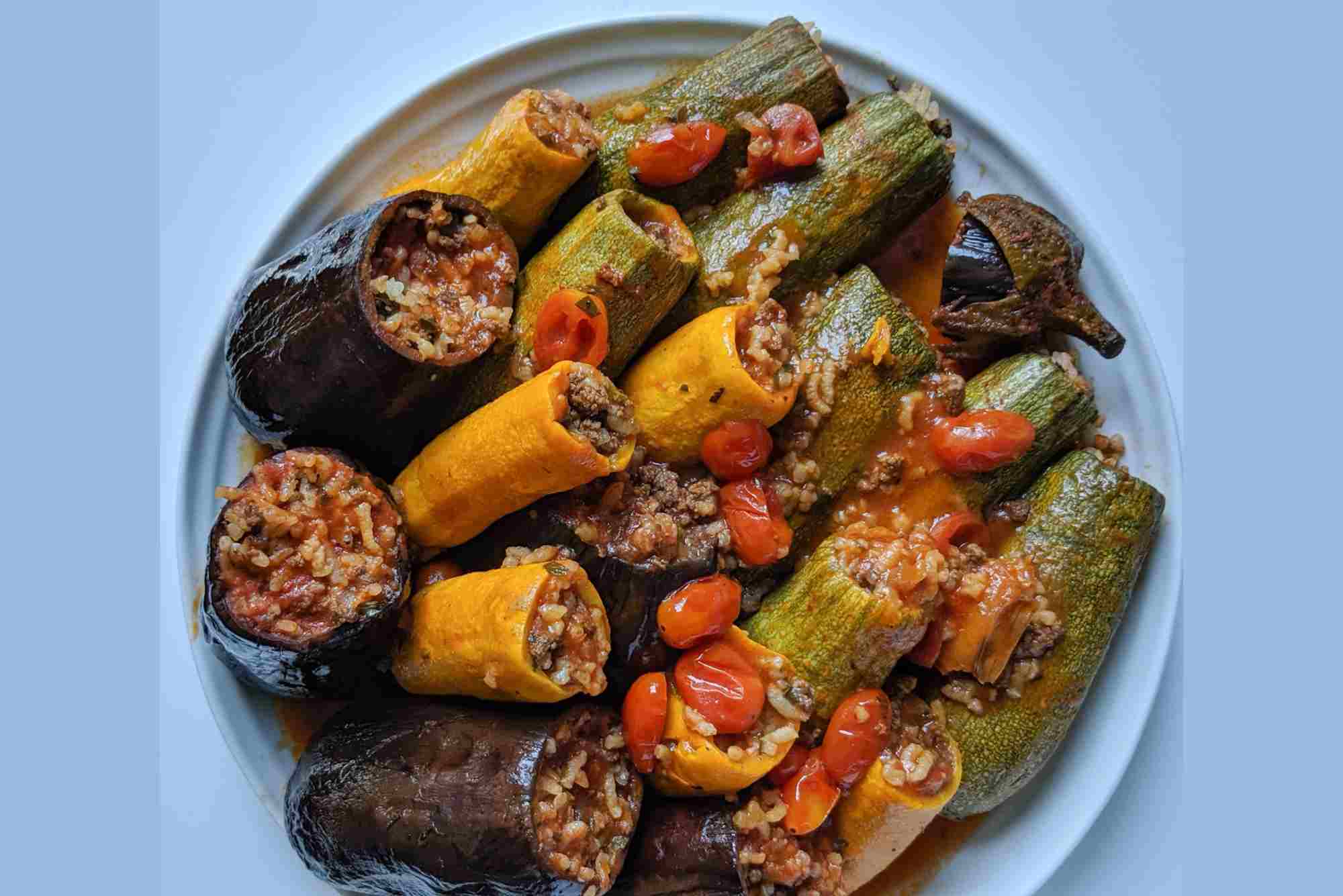
Mahshi, which means “stuffed” in Arabic, is a dish where vegetables are filled with a savory rice mixture, seasoned with herbs and spices. Common vegetables used include zucchini, eggplant, bell peppers, grape leaves, and cabbage.
The stuffing typically consists of short-grain rice mixed with onions, parsley, dill, tomato, and warm spices like cinnamon and allspice. Sometimes, minced meat is added for a heartier version, especially during holidays or festive gatherings.
What makes mahshi Egyptian food unique is not only its flavor but the way it brings people together — often prepared in large batches and shared with family and friends.
The Cultural Significance of Mahshi in Egyptian Households
A Dish for All Occasions
In Egypt, mahshi isn’t just a weekend comfort meal. It’s present at weddings, religious celebrations like Ramadan and Eid, and even somber occasions like funerals. Preparing mahshi can be labor-intensive, which is why it’s usually made in large family settings, turning the cooking process into a social event.

A Generational Tradition
Recipes for mahshi are often passed down from mothers to daughters. While each family adds its own twist — perhaps a pinch of extra spice or a unique stuffing ingredient — the core remains deeply rooted in tradition.
How Mahshi is Made: From Prep to Plate
Selecting the Vegetables
The first step is choosing vegetables that are hollow or can be hollowed out easily. Zucchini and eggplant are the most popular choices. Grape leaves and cabbage rolls are also iconic variants.
Preparing the Stuffing
The stuffing is a flavorful mix of rice, tomato paste, onions, parsley, dill, mint, and spices. Some families add minced lamb or beef. The rice is left uncooked because it will steam inside the vegetable while cooking.
Cooking Method
The stuffed vegetables are arranged tightly in a pot, often layered with sliced potatoes or tomatoes on the bottom to prevent burning. They’re then simmered in a tomato-based broth until tender, allowing the rice to soak up all the rich flavors.
Why Mahshi Egyptian Food Is Loved Worldwide
Nutrient-Rich and Balanced
Mahshi is a balanced meal. It combines grains, vegetables, and sometimes protein. Even without meat, it offers a satisfying and wholesome bite.
Vegan and Meat Options
Thanks to its flexibility, mahshi can easily be adapted to suit vegan or vegetarian diets. In fact, many Egyptians enjoy it meatless during Lent or fasting days.
Global Popularity
With the growing interest in Mediterranean and Middle Eastern cuisine, mahshi has found its way into international kitchens. Its vibrant presentation and rich flavor profile make it a favorite at food festivals and ethnic restaurants around the world.
Regional Variations Across Egypt
Cairo-Style Mahshi
In Cairo, mahshi is often stuffed with tomatoey rice flavored with lots of herbs. Eggplant and zucchini are common choices.
Alexandrian Mahshi
In Alexandria, seafood occasionally makes its way into the stuffing. Locals also favor spicier blends and tangy sauces.
Upper Egypt (Sa‘id) Mahshi
The southern region tends to use bolder spices and more garlic. Meat is almost always included in the stuffing.
Each version tells a story of its region’s palate, traditions, and lifestyle.
How to Make Mahshi at Home: A Beginner’s Guide
Making mahshi Egyptian food may seem intimidating, but it’s very achievable with some patience.
Ingredients You’ll Need
- Zucchini, bell peppers, or eggplant (or a mix)
- Short-grain rice
- Tomato paste
- Onion, garlic
- Fresh herbs: parsley, dill, and mint
- Spices: salt, black pepper, cinnamon, allspice
- Olive oil or butter
- Optional: minced lamb or beef
Basic Cooking Steps
- Hollow out your vegetables carefully.
- Mix uncooked rice with herbs, tomato paste, and seasoning.
- Gently stuff the vegetables, leaving space for rice expansion.
- Line the bottom of the pot with sliced potatoes or tomatoes.
- Add a tomato-based broth to the pot and cook on low heat until tender.
- Serve warm with a side of yogurt or fresh salad.
For more authentic Middle Eastern recipes, check out Taste of Egypt or Saveur’s Middle Eastern collection.
Mahshi vs. Other Middle Eastern Stuffed Dishes
While other countries have their own stuffed dishes — dolma in Turkey, sarmale in Romania, or kibbeh in Lebanon — mahshi stands out for its herb-heavy stuffing and slow-simmered tomato broth.
The Egyptian mahshi isn’t overly spicy or acidic. Instead, it leans into aromatic warmth and a touch of sweetness from the tomato base, setting it apart from its regional cousins.
Health Benefits of Mahshi
- Low in Fat (when meatless): Perfect for those watching their cholesterol.
- Rich in Fiber: Thanks to the vegetables and rice.
- Packed with Antioxidants: From tomato, parsley, and herbs.
- Easy to Digest: Light yet filling, making it suitable for all ages.
When made with brown rice and minimal oil, mahshi becomes an excellent option for a healthy diet.
Where to Try Authentic Mahshi
If you’re visiting Egypt, look for family-run restaurants in Cairo or Alexandria. Places like Abou El Sid in Zamalek or Sobhy Kaber in Shubra serve some of the best mahshi in the country.
Outside Egypt, many Middle Eastern restaurants include mahshi on their menu. You can also explore local food festivals or cultural events where authentic Egyptian food is featured.
Frequently Asked Questions About Mahshi Egyptian Food
What is mahshi made of?
Mahshi is made by stuffing vegetables like zucchini, eggplant, and grape leaves with seasoned rice. Herbs, spices, and sometimes meat are added.
Is mahshi vegan?
Yes, the base recipe is vegan. Without meat or animal fat, mahshi becomes a delicious plant-based option suitable for vegans.
How is mahshi different from dolma?
While both are stuffed dishes, mahshi is Egyptian and often uses a herbier rice mixture with a tomato-based broth. Dolma usually includes stronger spices and sometimes dried fruit.
What does mahshi taste like?
Mahshi has a savory, slightly tangy taste with herbal and tomato notes. The rice is tender, and the vegetables soak up the flavorful broth.
Can I freeze mahshi?
Yes. Cooked mahshi freezes well. Let it cool, store in airtight containers, and reheat in a microwave or oven with a splash of broth.
Add Mahshi to Your Table
Mahshi Egyptian food is more than just a meal — it’s a journey into Egypt’s culinary heart. Rich with herbs, bursting with flavor, and deeply rooted in culture, this stuffed vegetable dish deserves global recognition. Whether you’re cooking for family or exploring new tastes, mahshi is a must-try.
Ready to bring Egyptian tradition into your kitchen? Try mahshi at home and experience the taste of Egypt — one delicious bite at a time.