Aesthetic and Beautiful Plates of Food That Are Too Pretty to Eat
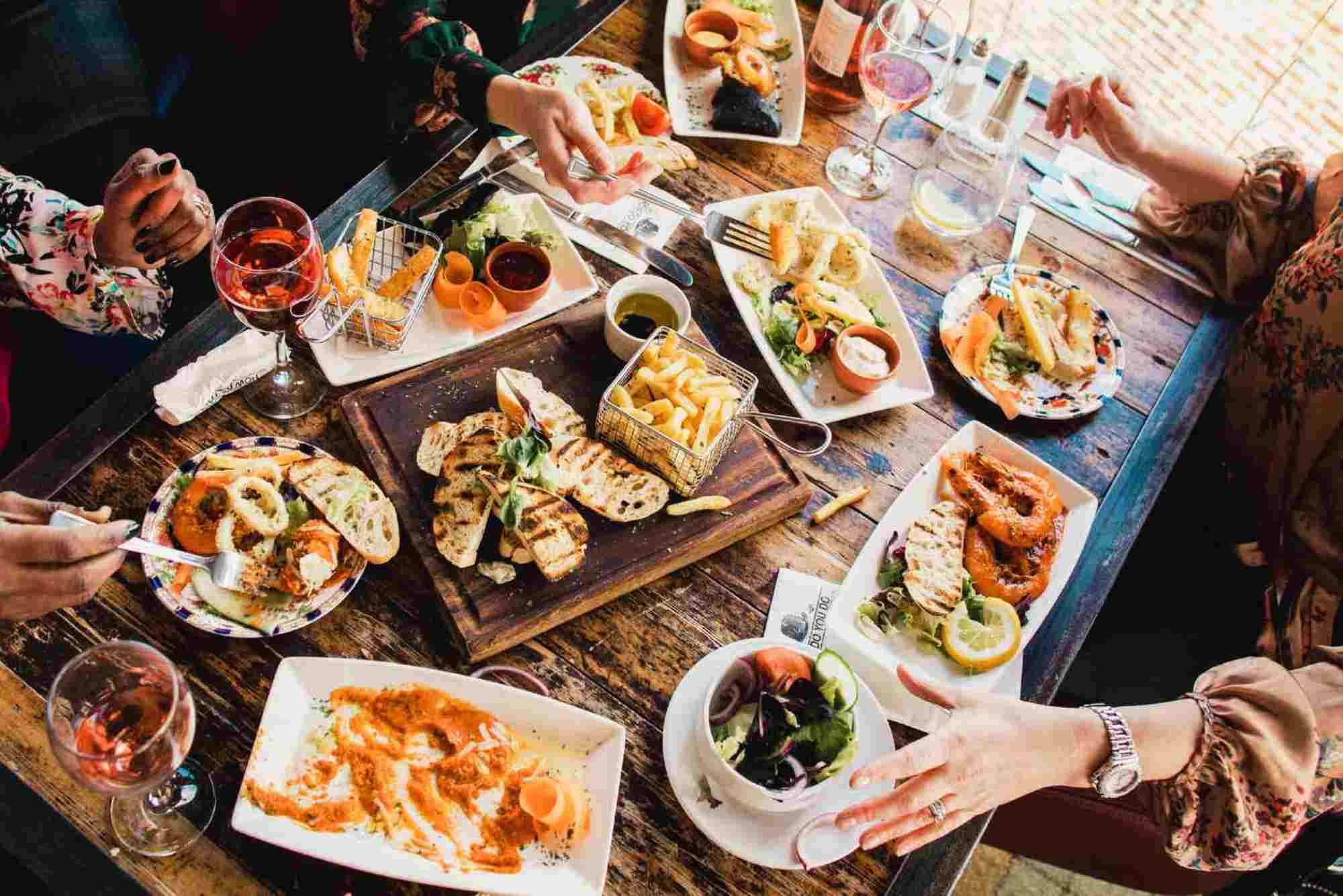
In a world where we eat with our eyes before our mouths, beautiful plates of food have taken center stage in culinary culture. These dishes are more than just meals—they are edible masterpieces, meticulously crafted to stun your senses. Whether you’re dining in a high-end restaurant or scrolling through Instagram, the artistry behind these plates leaves a lasting impression. The blend of color, symmetry, and creativity turns every bite into a visual journey. But what makes these plates so irresistibly beautiful? And how has food presentation become such a defining element of modern dining? Let’s explore.
The Evolution of Food Presentation
Historically, food has always been a cultural symbol, but its presentation has evolved dramatically. In the past, presentation was functional—meant to separate courses or distinguish between types of food. However, with the rise of global cuisine, digital photography, and social media, plating has become a form of storytelling. Chefs now use their plates as canvases, creating dishes that evoke emotion, tell a story, or showcase heritage.
The trend toward beautiful plates of food can be traced back to haute cuisine, where elegance and precision were paramount. French culinary pioneers emphasized structure, balance, and refinement. As this approach spread worldwide, new cultures integrated their artistic sensibilities, adding vibrant colors, natural elements, and bold contrasts.
Why Presentation Matters More Than Ever
In today’s digital-first world, presentation is no longer just about impressing the diner in person—it’s also about how the food photographs. Platforms like Instagram, Pinterest, and TikTok have turned plating into a performance art. A dish that looks beautiful is more likely to be shared, liked, and remembered.
Moreover, presentation has a psychological impact. Studies show that diners perceive beautiful plates of food as more flavorful and satisfying. When food is visually appealing, our anticipation heightens, our appetite grows, and we become more mindful of every bite. The combination of sensory delight and artistic appreciation enhances the entire dining experience.
The Elements That Make a Plate Beautiful
Creating visually stunning dishes involves more than just good ingredients. It’s about understanding the principles of design, color theory, and balance.

Color Harmony
A visually appealing plate often relies on a thoughtful color palette. Bright vegetables, edible flowers, contrasting sauces, and natural tones create a feast for the eyes. Color isn’t just about aesthetics—it signals freshness and nutrition.
Texture and Contrast
Crunchy, creamy, soft, and crisp elements add dimension to the plate. Chefs use different textures to create contrast, which not only elevates flavor but also visual interest.
Symmetry and Asymmetry
Some dishes achieve beauty through perfect symmetry—each element mirrored for balance. Others rely on organized chaos, where asymmetry guides the eye across the plate like a piece of abstract art.
Negative Space
Minimalism is powerful. Leaving empty space on the plate can be just as important as filling it. It draws attention to the focal point and allows each element to breathe visually.
Height and Layering
A flat plate may seem dull, while one with vertical components adds drama and complexity. Stacking or layering ingredients creates visual intrigue and often improves the bite experience.
Examples of Aesthetic Food Plating
Although the styles may vary by region or cuisine, certain types of dishes lend themselves naturally to artistic plating.
Fine Dining Entrées
In fine dining, precision is everything. Proteins are seared and sliced with surgical care, vegetables are shaped into perfect forms, and sauces are swirled like brushstrokes on a canvas. Every detail is intentional.
Sushi and Sashimi
Japanese cuisine is a masterclass in visual balance. Sushi chefs arrange pieces in ways that honor symmetry, seasonality, and elegance. The use of color—salmon orange, tuna red, wasabi green—creates harmonious palettes.
Pastries and Desserts
Few plates are more visually indulgent than desserts. From mirror-glazed cakes to deconstructed tarts, pastry chefs craft sweets that resemble sculptures. Shiny glazes, edible gold leaf, and spun sugar add a layer of luxury.
Plant-Based Platters
With their rich natural colors, fruits and vegetables are ideal tools for artistry. Vegan and plant-based plates often highlight raw textures and vibrant shades that pop against white or black plates.
Cultural Artistry
From Middle Eastern mezze spreads to South Asian thalis, many traditional food presentations are inherently beautiful. The use of small bowls, varied textures, and color-rich ingredients brings a stunning visual diversity to the table.
The Role of Social Media in Food Aesthetics
Social media has redefined how we view and share food. A beautiful plate of food doesn’t just delight the diner—it influences thousands who see the image online. Chefs and home cooks alike design their meals for the camera, knowing a well-plated dish can go viral.
Hashtags like #FoodArt and #PlatingGoals have millions of followers. Even amateur cooks aim for restaurant-level presentation, investing in plating tools and minimalist tableware. This digital exposure pushes culinary creativity forward while raising expectations across the board.
The Line Between Art and Food
The best plates blur the line between food and fine art. You wouldn’t be wrong to compare some dishes to impressionist paintings or modern sculptures. However, this raises a curious dilemma: if a dish looks too good to eat, should you eat it?
The answer, of course, is yes. The beauty of these plates is that they’re temporary. The fleeting nature of their perfection makes the experience all the more special. You witness the art, savor the taste, and let the memory linger.
Behind Every Beautiful Plate Is a Skilled Chef
Crafting beautiful plates of food requires technical expertise and an eye for detail. Chefs must balance temperature, texture, and timing while arranging elements precisely. Many chefs sketch their plating ideas beforehand, much like an artist drafts a painting.
Additionally, mise en place—the practice of preparing and arranging ingredients before cooking—plays a huge role in the visual outcome. When every component is prepped perfectly, the final plate comes together like a symphony.
The Future of Food Aesthetics
As technology advances, we’re seeing even more innovation in food presentation. Augmented reality menus, edible 3D prints, and AI-assisted plating designs are pushing boundaries. At the same time, there’s a growing movement toward sustainable aesthetics—using natural, local ingredients and biodegradable plating materials.
In the future, we might see even more intersection between design and dining, where dishes are tailored not just for taste but also for emotional and visual impact.
Celebrate the Beauty of Every Bite
Beautiful plates of food aren’t just about impressing guests or gaining likes on social media. They’re about honoring the ingredients, showcasing culinary skill, and heightening the joy of eating. Whether it’s a delicate fine dining entrée or a homemade dessert that looks like it belongs in a gallery, a beautifully plated dish creates an experience that’s memorable, personal, and profoundly satisfying.
So next time you sit down to eat, take a moment to appreciate the art on your plate. And if you’re the one behind the meal, don’t be afraid to get creative. You don’t need a Michelin star to create something stunning—you just need passion, patience, and a little imagination. Ready to level up your plating game? Follow our blog for tutorials, plating tips, and visual inspiration that will turn your next dish into a masterpiece. Your plate is your canvas—what will you create
FAQs
Why do chefs focus so much on food presentation?
Because presentation enhances the dining experience. It makes food more appealing, elevates perceived taste, and reflects the chef’s attention to detail.
Can I make beautiful plates of food at home?
Absolutely! Start with colorful ingredients, use white plates for contrast, and keep your plating simple and balanced. Practice makes perfect.
What tools help with aesthetic plating?
Tweezers, ring molds, squeeze bottles, and offset spatulas can help you place elements with precision and create restaurant-style presentations.
Do beautiful plates of food actually taste better?
Studies suggest that visual appeal influences our perception of taste. When food looks good, we often enjoy it more—even if the ingredients remain the same.
Is food plating considered an art form?
Yes, many view it as culinary art. Like painting or sculpture, it involves creativity, design principles, and craftsmanship.