Samsa: A Classic Savory Pastry from Uzbek Cuisine
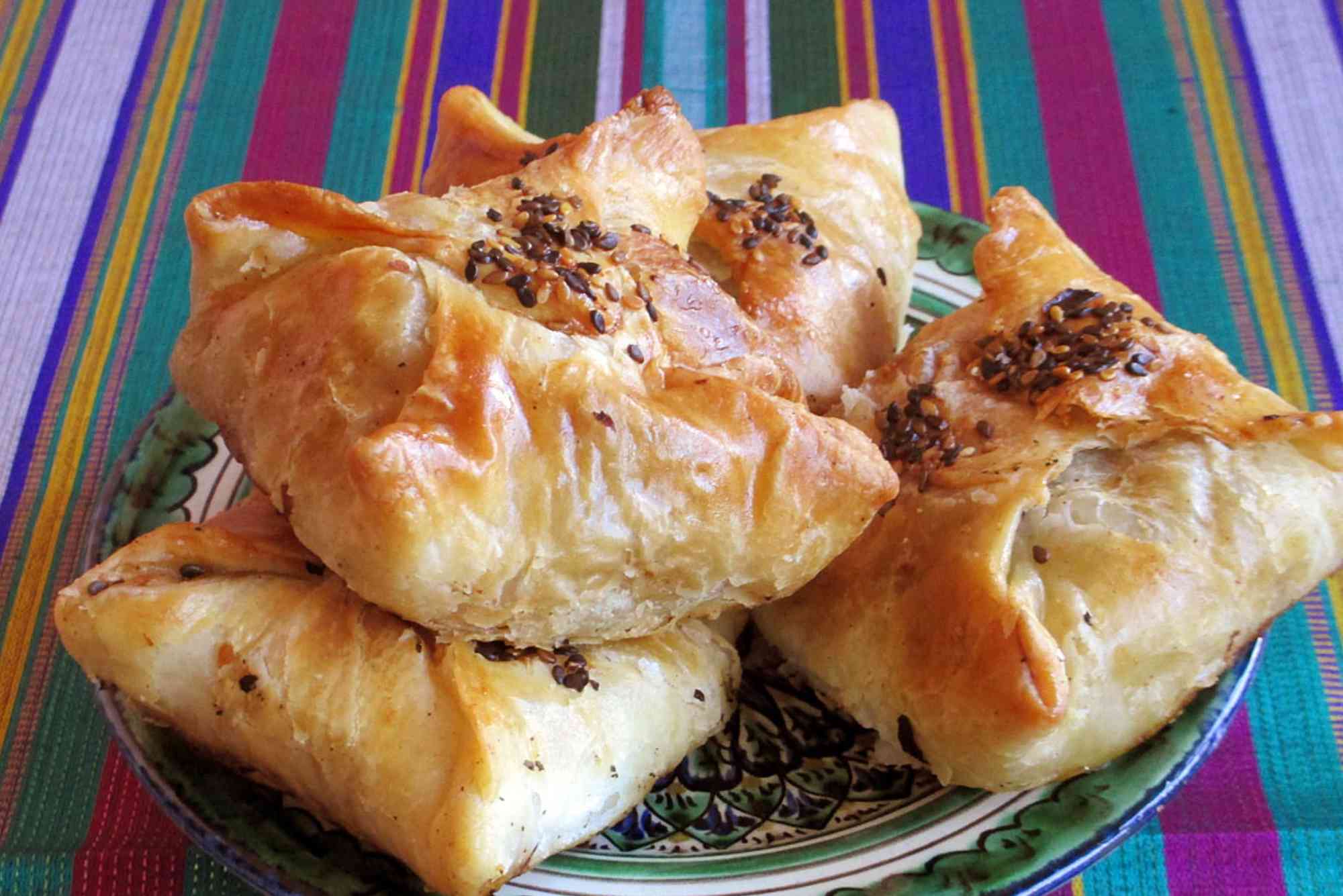
Uzbekistan, a gem of Central Asia, is home to a rich culinary heritage that has evolved over centuries of Silk Road trade, diverse cultural influences, and regional agriculture. One of its most beloved dishes is the samsa — a flaky, aromatic pastry that encapsulates the soul of Uzbek cuisine. Recognized for its crispy, golden crust and a rich meat filling, samsa is a staple across Uzbekistan and has steadily gained popularity worldwide. If you’re exploring the world of samsa Uzbek food, you’re about to uncover a unique blend of history, flavor, and tradition.
The History and Origin of Samsa
Samsa has deep historical roots. It evolved from early nomadic cooking traditions in Central Asia, where meat was the main food source. Over time, it became refined through Persian and Turkic culinary influences. The method of enclosing spiced meat in dough and baking it over hot stones or inside a tandoor became a widespread practice, leading to what we now call samsa. The word “samsa” is believed to share a linguistic connection with the Indian “samosa,” though the two differ significantly in preparation and taste. While the Indian samosa is deep-fried and triangular, Uzbek samsa is typically oven-baked and more rectangular or round. This ancient dish reflects centuries of cultural exchange and resilience.
What Makes Samsa Uzbek Food Unique?
Uzbek samsa is not just about taste — it’s about technique. Unlike pastries that rely heavily on butter, traditional samsa dough is often made using flour, water, and a small amount of fat (usually sheep tail fat or oil). The dough is kneaded until soft, rolled thin, then layered to create flakiness. The filling is usually a mix of chopped lamb or beef, onions, salt, pepper, and sometimes pumpkin or potatoes. The secret lies in the fat content and slow baking process in clay tandoor ovens, which gives samsa its signature crispy layers and juicy interior.
In modern Uzbekistan, samsa is found on every corner — from roadside vendors and bazaars to high-end restaurants. It is a common breakfast, lunch snack, or evening treat, usually paired with hot green tea. While the recipe may seem simple, mastering the balance of spice, dough, and baking method takes time, making it a cherished culinary skill passed down through generations.
Types of Uzbek Samsa You Should Know
Across different regions of Uzbekistan, you’ll find various samsa styles. The diversity speaks to the adaptability of the dish and local preferences.
In Tashkent, the capital, samsa often features minced beef with onion, cooked in modern ovens but preserving traditional spices. In the Fergana Valley, pumpkin samsa is widely loved, especially during the fall harvest. This vegetarian version highlights the natural sweetness of pumpkin combined with black pepper and caraway seeds. Samarkand offers a version that’s a bit flatter and denser, often made with hand-chopped lamb and a generous layer of onion for moisture. Meanwhile, street vendors in Bukhara might use a tandoor clay oven, lending the pastry a smoky flavor and a particularly crisp crust. Each region lends its own flair to samsa, yet they all remain unmistakably samsa Uzbek food.

Ingredients: Traditional vs. Modern Variations
The classic samsa includes meat, fat, onions, salt, and spices encased in dough. However, with changing diets and global influences, modern cooks have started experimenting with a range of fillings. Some use chicken instead of lamb, while others opt for entirely vegetarian options. Cheese, spinach, mushrooms, and even lentils are gaining popularity.
Traditional spices include black pepper, cumin, coriander, and sometimes caraway. Dough variations may include yeast-leavened versions or even puff pastry in urban eateries. Some samsas are brushed with egg yolk before baking to give them a golden sheen, while sesame or nigella seeds are often sprinkled on top for aroma and aesthetics.
What unites all variations is the unmistakable combination of a flaky exterior and a flavorful, tender filling — the hallmark of samsa Uzbek food.
The Role of Tandoor Baking
One element that truly defines the authenticity of Uzbek samsa is the tandoor — a deep, cylindrical clay oven traditionally heated by wood or coal. In many Uzbek homes and street stalls, samsas are slapped against the inner wall of a tandoor and baked until golden brown. The high, consistent heat creates a crispy outer shell and a perfectly cooked, juicy interior.
While not every household or restaurant today uses a tandoor, those that do are often considered the gold standard for samsa preparation. The flavor is noticeably more intense and earthy, a sensory reminder of Uzbekistan’s ancient nomadic roots.
How to Eat and Serve Samsa
In Uzbekistan, samsa is usually enjoyed fresh and hot, straight from the oven or tandoor. It is often eaten by hand, accompanied by a pot of green tea or ayran (a salted yogurt drink). At breakfast, it might be served with sliced tomatoes and fresh herbs.
For more formal occasions or at traditional Uzbek weddings, samsa might be served on a large platter, surrounded by other Uzbek dishes like plov, lagman, and shurpa. It’s not unusual to eat samsa as a standalone snack on the go — one of the reasons it’s so deeply embedded in Uzbek street food culture.
Samsa in Modern Uzbek Culture and Beyond
Today, samsa serves not only as a delicious pastry but also as a symbol of Uzbek hospitality and identity. In homes, offering samsa to a guest is a gesture of warmth. In restaurants, it’s usually one of the first items ordered.
The growing popularity of Uzbek restaurants around the world — from New York to Istanbul to Dubai — means that more people are discovering samsa as part of the broader samsa Uzbek food experience. Some chefs have even elevated the dish into gourmet interpretations, using wagyu beef or truffle oil, while still preserving the spirit of the original.
Thanks to its versatility and cultural importance, samsa is now part of international food festivals, cooking competitions, and even fusion recipes. It’s not uncommon to find samsa-style pastries in bakeries far outside Central Asia, modified for local palates but inspired by Uzbek roots.
How to Make Samsa at Home: A Simple Recipe
Making samsa at home doesn’t require a tandoor, though that certainly helps. A regular oven can also produce excellent results with the right techniques. Start by preparing a basic dough with flour, water, and a bit of oil. Let it rest for an hour, then roll it into thin sheets. For the filling, finely chop beef or lamb, onions, salt, and spices like black pepper and cumin. Fold the dough over the filling into triangle or square shapes, seal the edges, and bake at 200°C (392°F) for about 25–30 minutes until golden.
For best results, brush the top with an egg wash and sprinkle sesame seeds before baking. Let them rest for five minutes after baking so the juices settle. Then, serve with hot tea and enjoy a little taste of Uzbekistan in your kitchen.
Why Samsa is a Must-Try
Samsa isn’t just food — it’s a story wrapped in dough. It’s a tribute to centuries-old cooking methods, a celebration of local ingredients, and a window into Uzbek hospitality. Whether enjoyed at a street vendor’s stall in Tashkent or recreated at home in a Western kitchen, samsa delivers flavor, comfort, and a touch of cultural richness.
If you’re new to Central Asian cuisine, starting with samsa is a perfect choice. Try a few varieties, experiment with fillings, and savor the crunchy, savory magic that defines this incredible dish.
FAQs
What is samsa in Uzbek food?
Samsa is a savory pastry filled with meat and onions, baked until golden. It’s a staple in Uzbek food culture and typically made in a tandoor oven.
Is samsa the same as samosa?
No, samsa and samosa are different. While both are filled pastries, samsa is usually baked and uses meat, whereas samosas are fried and often vegetarian.
What meat is used in Uzbek samsa?
Lamb or beef is commonly used in traditional samsa recipes. Some regions also use chicken or include vegetables like pumpkin.
Can I make samsa without a tandoor?
Yes, you can bake samsa in a conventional oven. While a tandoor adds authentic flavor, a home oven can still produce delicious results.
How do you eat samsa?
Samsa is best enjoyed hot, often with green tea. It can be eaten by hand and is a popular street food snack or breakfast item.