How Adaptive Brake Assist Works in Mercedes Vehicles
Mercedes-Benz has long been a pioneer in automotive safety technology. One standout feature is Adaptive Brake Assist, a system designed to prevent or reduce the severity of collisions. By combining radar-based monitoring with advanced braking support, it gives drivers extra confidence in critical situations. Understanding how this technology works can help you make the most of your Mercedes’ safety features.
Understanding Adaptive Brake Assist in Mercedes
Adaptive Brake Assist in Mercedes vehicles is an intelligent driver-assistance system that helps you stop faster when a potential collision is detected. It does more than warn you—it actively supports braking by applying additional brake pressure if needed. This technology works seamlessly in the background, ready to assist when milliseconds count.
How Adaptive Brake Assist Works
The system uses a combination of sensors, cameras, and control units to monitor the road ahead. When it detects a vehicle or obstacle in your path, it calculates the required braking force to avoid a collision. If you do not apply enough pressure to the brake pedal, Adaptive Brake Assist automatically increases braking power.
Detection and Warning
Mercedes vehicles equipped with Adaptive Brake Assist continuously scan the road ahead. If the system detects a rapidly approaching object, it alerts the driver through visual and audible warnings. This early detection gives you time to react before the situation becomes critical.
Brake Force Assistance
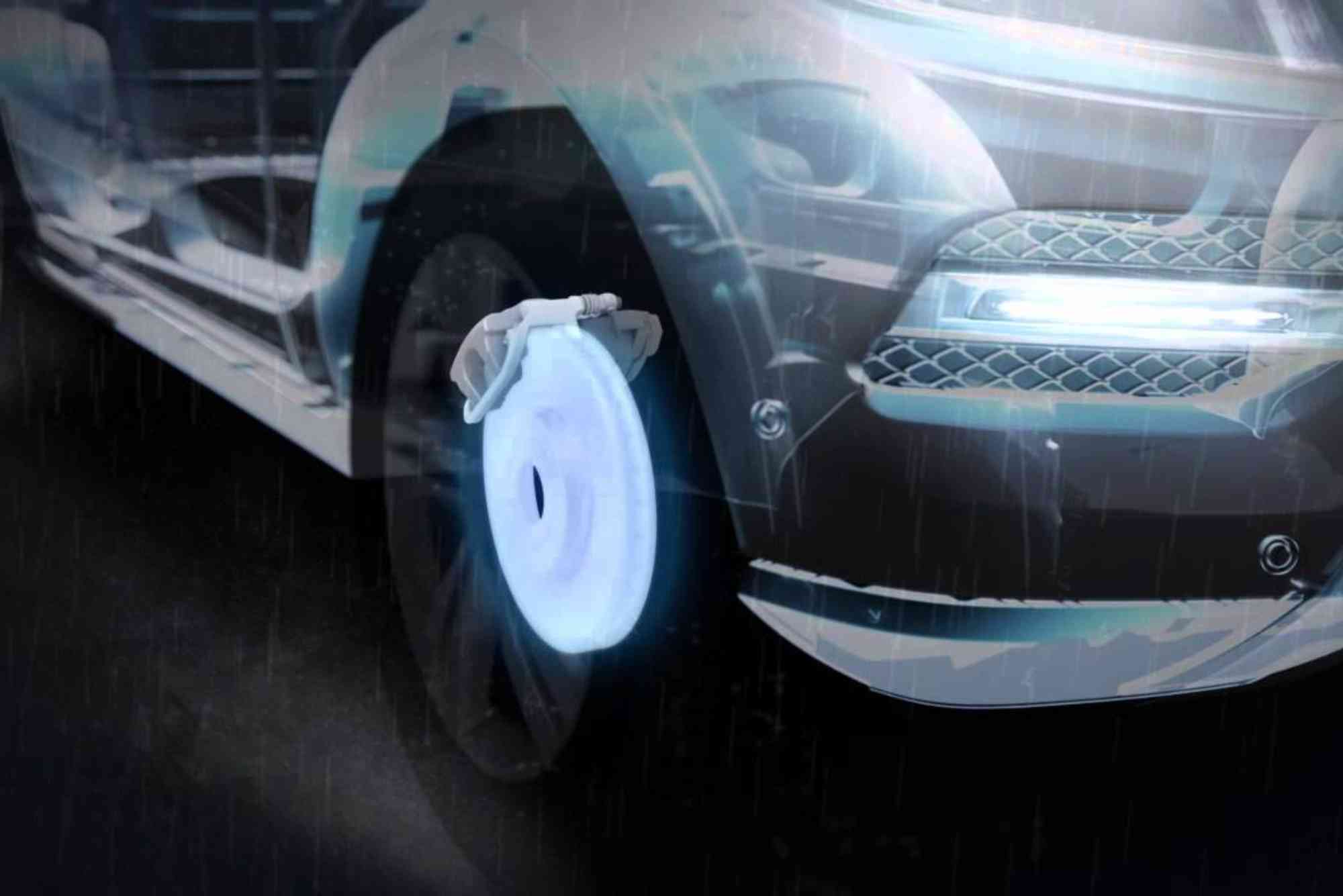
Many drivers, in sudden emergencies, do not press the brake pedal hard enough. Adaptive Brake Assist compensates for this by applying the optimal brake force required for maximum stopping power. This can significantly shorten stopping distances and potentially prevent accidents.
Automatic Emergency Braking
In certain situations, if the driver does not react at all, the system can apply the brakes automatically. This is especially useful in low-speed urban driving, where unexpected obstacles—such as a car stopping suddenly ahead—can appear quickly.
Benefits of Adaptive Brake Assist Mercedes Technology
The advantages of this system extend beyond just collision prevention. It improves overall safety, reduces driver fatigue, and enhances confidence on the road.
Enhanced Safety in All Conditions
Whether driving in heavy traffic or at highway speeds, Adaptive Brake Assist helps you maintain safe distances and react quickly to sudden stops.
Reduced Accident Severity
Even if a collision is unavoidable, reducing speed before impact can significantly lessen the damage to both the vehicle and its occupants.
Peace of Mind
Knowing that your Mercedes has an advanced safety system monitoring the road allows you to focus more on driving and less on potential hazards.
Real-World Scenarios Where Adaptive Brake Assist Excels
Sudden Traffic Jams
Imagine driving on a busy highway when traffic suddenly slows. Adaptive Brake Assist detects the slowdown and helps you apply maximum braking to avoid rear-ending the vehicle ahead.
Distracted Driving Moments
Even attentive drivers have moments of distraction. If you fail to notice a car stopping in front of you, the system’s warnings and automatic braking can make a critical difference.
Urban Driving Challenges
In cities, pedestrians or cyclists may appear suddenly in your path. Adaptive Brake Assist Mercedes Adaptive Brake Assist’s quick reaction time can help prevent dangerous accidents.
How Adaptive Brake Assist Differs from Regular Braking
Traditional brakes rely entirely on the driver’s input. Adaptive Brake Assist goes further by assisting or even initiating braking when necessary. This proactive approach makes it more effective in emergencies than relying solely on human reaction time.
Mercedes Models Equipped with Adaptive Brake Assist
Most modern Mercedes-Benz vehicles come standard with this technology, including the C-Class, E-Class, S-Class, GLC, GLE, and GLS. Higher-end models may also integrate Adaptive Brake Assist with other driver-assistance features, creating a comprehensive safety suite.
Maintenance and Calibration
While Adaptive Brake Assist requires no special maintenance beyond your regular brake system service, ensuring your vehicle’s sensors and cameras remain clean is essential. After windshield or bumper repairs, recalibration might be necessary to maintain accuracy.
Adaptive Brake Assist and Mercedes’ Safety Philosophy
Mercedes-Benz has always prioritized innovation in vehicle safety. Adaptive Brake Assist is a natural evolution of earlier systems, reflecting the brand’s commitment to reducing road accidents through intelligent technology. It also integrates seamlessly with other safety features like Active Brake Assist, Attention Assist, and Distronic adaptive cruise control.
Common Misconceptions About Adaptive Brake Assist
Some drivers believe this system takes full control of braking in all situations. In reality, it is designed to assist, not replace, the driver’s responsibility. You should always remain alert and ready to brake manually.
Future of Adaptive Brake Assist in Mercedes
As automotive technology advances, we can expect future versions of Adaptive Brake Assist to become even more precise and predictive. Integration with AI-driven road analysis could enable earlier detection and smarter braking interventions.
FAQs
Does Adaptive Brake Assist work at all speeds?
Yes, it works at various speeds, but its effectiveness is most noticeable in low to medium-speed scenarios, such as city driving.
Can Adaptive Brake Assist prevent all accidents?
While it significantly reduces accident risks, no system can guarantee complete prevention. Driver attention remains essential.
Is Adaptive Brake Assist the same as Active Brake Assist?
They are related but not identical. Active Brake Assist includes more advanced autonomous braking capabilities, while Adaptive Brake Assist focuses on enhancing driver-applied braking.
Do I need to turn Adaptive Brake Assist on?
No, it is always active once your vehicle is running and requires no manual activation.
Will it work in bad weather?
Yes, but heavy rain, fog, or snow may reduce sensor effectiveness. Always drive with caution in poor weather conditions.
Adaptive Brake Assist in Mercedes vehicles is more than just a safety add-on—it’s a proven life-saving technology. By helping drivers brake faster and more effectively, it significantly reduces the risk and severity of collisions. Whether you drive daily in busy city traffic or enjoy long highway journeys, having this system on your side provides unmatched peace of mind.