
What Causes Air Hissing from Your Brake Pedal?
If you notice air hissing from your brake pedal, it’s a sign your braking system may have a serious issue. This sound usually points to a problem with the brake booster, vacuum lines, or seals. While it might seem minor, ignoring it can put your safety at risk and lead to costly repairs. Understanding what causes this hissing and how to address it is essential for safe driving.
Understanding the Hissing Sound in Your Brake Pedal
When you press your brake pedal, it should feel smooth and firm without any strange noises. A hissing sound typically means that air or vacuum pressure is escaping somewhere in the system. This escape of air can make braking less effective, cause a harder pedal feel, or even lead to brake failure if left unchecked.
The most common cause is a leak in the brake booster’s vacuum system. The brake booster uses engine vacuum to reduce the effort needed to press the pedal. If air leaks here, you’ll hear a distinct hiss, especially when pressing or releasing the brake.
Main Causes of Air Hissing from Brake Pedal
Brake Booster Diaphragm Leak
Inside the brake booster, a rubber diaphragm helps maintain vacuum pressure. If this diaphragm tears or cracks, it lets air escape, creating that hissing sound. Over time, rubber parts naturally degrade, especially in older vehicles or those exposed to extreme heat.
Damaged Vacuum Hose
The brake booster connects to the engine with a vacuum hose. This hose can dry out, crack, or come loose over time. A damaged vacuum hose not only causes a hissing noise but can also trigger poor engine performance since the vacuum system is shared.
Faulty Brake Booster Check Valve
The check valve maintains one-way airflow to the brake booster. If it fails, air can leak back into the system. This can create a hissing noise and reduce the booster’s ability to assist your braking.
Seal Leaks Around the Brake Pedal
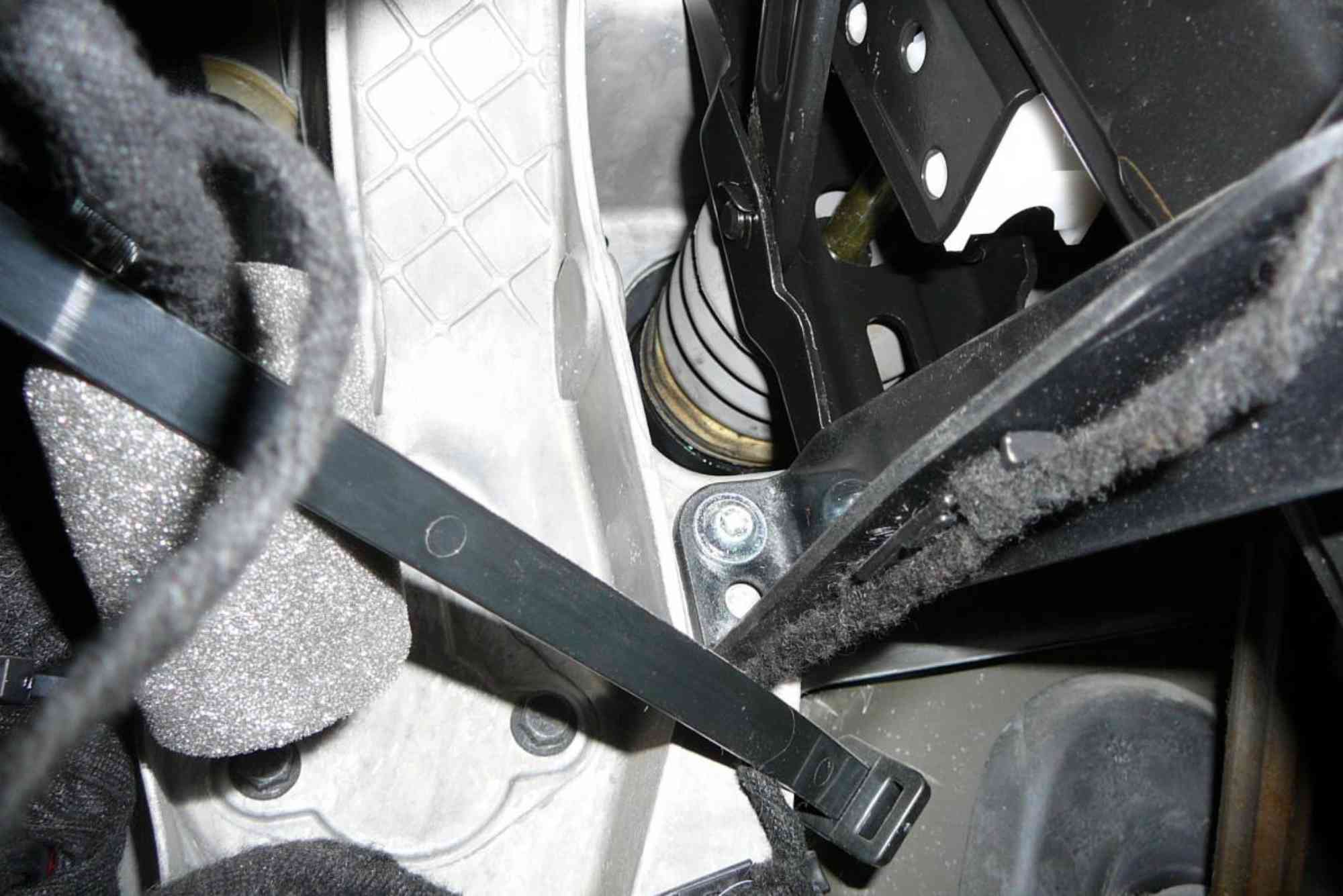
Where the brake pedal linkage enters the booster, there’s a seal to keep air inside. If this seal fails, you’ll hear a hiss every time you press the pedal. It may also allow dirt and moisture into the system, worsening the problem.
Internal Master Cylinder Issues
Although less common, problems inside the master cylinder can sometimes create air movement sounds if seals or pistons are damaged. This is usually accompanied by a spongy brake pedal feel.
How the Hissing Sound Affects Your Braking
Ignoring air hissing from the brake pedal can lead to reduced braking efficiency. The brake booster may not work as intended, forcing you to press much harder to stop the vehicle. This increases stopping distance and the risk of accidents. In severe cases, total brake failure could occur if the leak worsens.
You might also notice related symptoms such as:
- Increased brake pedal effort
- Longer stopping distances
- Brake warning light activation
- Engine performance issues from vacuum leaks
How to Diagnose Air Hissing from Your Brake Pedal
Listen Carefully
The hissing sound will often be most noticeable when you press and hold the brake pedal. It may get louder if you press harder.
Check the Brake Booster Area
With the engine off, press the brake pedal several times to release stored vacuum. Then start the engine while holding the pedal. If it sinks noticeably, the booster is working. If you hear loud hissing, it’s likely leaking.
Inspect the Vacuum Hose
Look for cracks, splits, or loose connections in the hose running from the engine to the booster. Even a small crack can cause a hissing sound.
Perform a Smoke Test
A mechanic can introduce smoke into the system to find exactly where air is escaping. This is the most accurate way to locate small leaks.
Fixing the Hissing Sound in the Brake Pedal
Replace the Brake Booster
If the diaphragm is damaged, replacing the entire brake booster is usually necessary. This restores proper vacuum pressure and eliminates the hiss.
Replace the Vacuum Hose
If the hose is cracked or loose, replacing it is a quick and affordable fix. Ensure you use a vacuum-rated hose for durability.
Replace the Check Valve
If the one-way valve is faulty, replacing it can restore normal booster function and stop the air noise.
Replace Pedal Seal
If the leak is where the pedal enters the booster, replacing the seal will solve the issue. This is a less common repair but still important.
Bleed and Test the Brakes
After any repair, the brake system should be inspected, and if necessary, the hydraulic system should be bled to remove air bubbles.
Can You Drive with Air Hissing from the Brake Pedal?
Technically, yes, but it’s unsafe. Driving with a leaking brake booster means you’ll need more pedal force to stop. In an emergency, you may not be able to brake quickly enough. This makes immediate repair essential.
Preventing Brake Pedal Hissing in the Future
- Inspect the brake booster and vacuum hoses annually.
- Replace worn hoses at the first sign of damage.
- Keep brake fluid clean and topped up.
- Avoid driving with a heavy foot on the brake in traffic, which stresses the booster.
- Service your braking system according to your manufacturer’s schedule.
FAQs
Why is my brake pedal making a hissing sound?
It usually means air is leaking from the brake booster or vacuum hose. This reduces brake assist.
Can a bad brake booster cause hissing?
Yes, a torn diaphragm or failed seal inside the booster is a common cause of hissing.
How urgent is a brake booster leak?
Very urgent. Reduced braking power can make driving unsafe. Repair it as soon as possible.
Will replacing the vacuum hose fix the hissing?
If the hose is the only issue, yes. But often the booster itself is damaged too.
Can air in the brake lines cause hissing?
No, air in the lines causes a spongy pedal but not a hissing sound. Hissing means a vacuum leak.
If you hear Air Hissing From Brake Pedal, don’t ignore it. This sound is your car’s way of warning you that the braking system is compromised. Whether it’s a damaged brake booster, leaking vacuum hose, or faulty check valve, prompt repair is essential for safe driving. A trusted mechanic can diagnose and fix the problem before it becomes dangerous.