
Food Web of the Alpine Tundra – What Eats What?
The alpine tundra is one of the harshest yet most fascinating ecosystems on Earth. Located above the treeline in mountainous regions, this cold, windy environment supports a surprisingly complex web of life. Despite the challenges, a delicate balance of producers, consumers, and decomposers sustains this unique biome. Understanding the alpine tundra food web reveals how life survives where few would expect it.
What Is the Alpine Tundra?
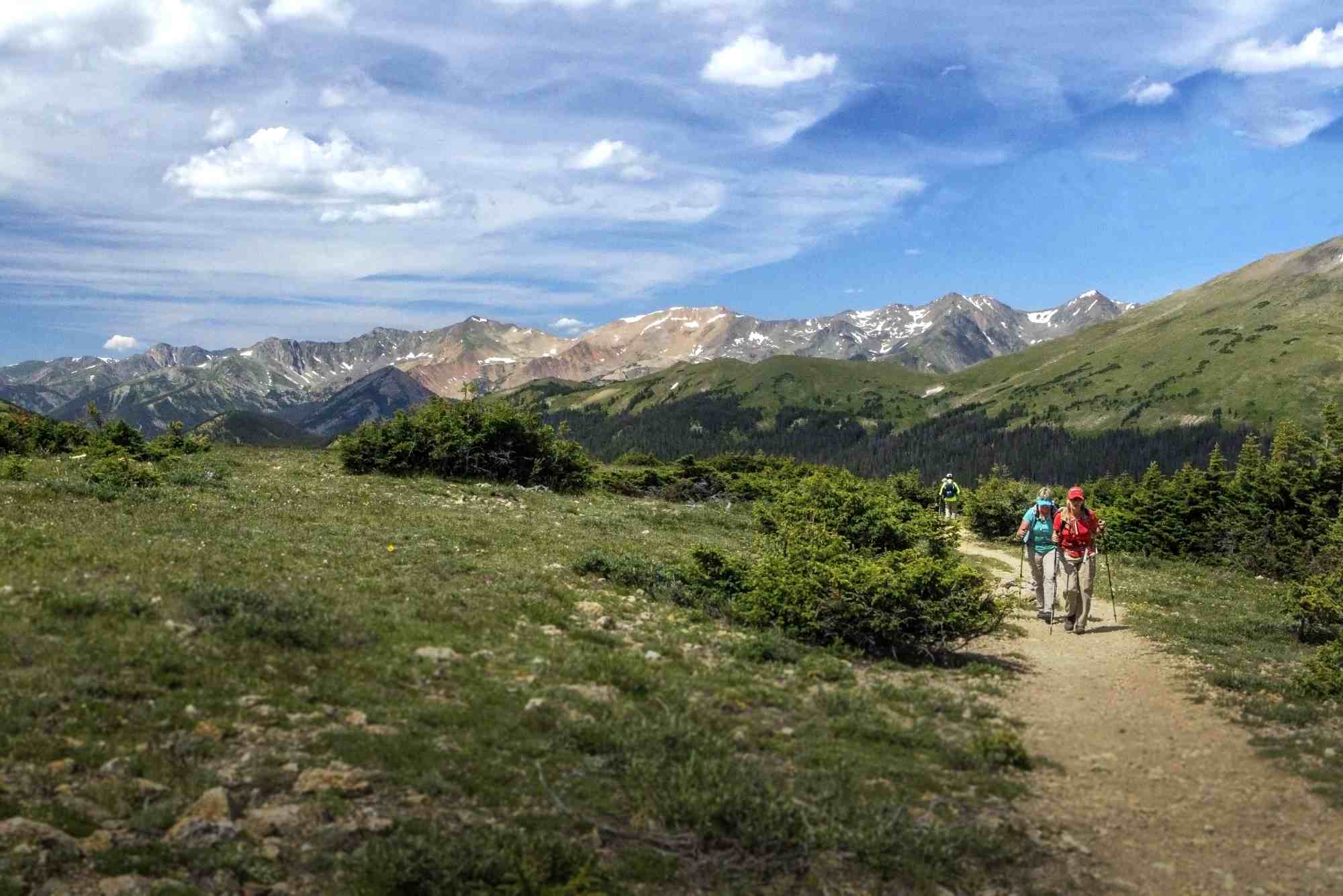
Before diving into who eats whom, it’s important to understand what the alpine tundra is. Found at high elevations across the world—from the Rockies to the Andes to the Himalayas—the alpine tundra is defined by its cold climate, short growing season, and lack of trees. Temperatures are low year-round, and the soil is often thin and nutrient-poor. Despite this, hardy life forms have evolved to adapt to these conditions, forming a complex and interconnected food web.
Primary Producers: The Base of the Food Web
At the base of the alpine tundra food web are the primary producers. These are organisms that make their own food through photosynthesis. They form the foundation of all life in this ecosystem.
Alpine Grasses and Sedges
These plants are short, flexible, and frost-resistant. They absorb sunlight quickly during the short summer and are a primary food source for herbivores.
Mosses and Lichens
Mosses and lichens are able to survive in nutrient-poor soil and even on rocks. They’re crucial to the ecosystem because they’re among the first colonizers in disturbed or bare areas.
Flowering Plants
Despite the cold, several flowering plants bloom in summer, providing nectar for insects and seeds for birds and small mammals.
Primary Consumers: Herbivores of the Alpine Tundra
Primary consumers are herbivores that eat the producers. These animals are often small, fast, and well-insulated against the cold.
Pikas
Pikas are small mammals related to rabbits. They gather and store plants during the summer to survive the winter without hibernating.
Marmots
Marmots feed on grasses, flowers, and moss. Unlike pikas, they hibernate for up to eight months a year, relying on fat reserves.
Mountain Goats and Sheep
These large herbivores graze on alpine grasses and lichens. Their hooves are adapted for rocky terrain, allowing them to reach high-altitude food sources.
Insects
Grasshoppers, beetles, and caterpillars consume plant material and are themselves prey for birds and small mammals.
Secondary Consumers: Carnivores and Omnivores
Secondary consumers eat herbivores and help regulate population sizes in the alpine tundra food web.
Snowshoe Hares
Although mostly herbivorous, they occasionally eat insects and are a critical food source for carnivores like foxes and owls.
Birds of Prey
Golden eagles and hawks patrol the skies, hunting pikas, marmots, and even snakes. They’re vital top-tier predators in the ecosystem.
Red Foxes
Red foxes hunt small mammals and insects, supplementing their diet with berries and other plant material when available.
Weasels
Weasels are efficient hunters. Small but fierce, they prey on rodents and birds, playing a significant role in the alpine food balance.
Tertiary Consumers and Apex Predators
At the top of the alpine tundra food web are tertiary consumers. These predators help keep the food web stable by controlling herbivore populations.
Wolves
Though not found in every alpine tundra region, wolves are apex predators in areas where they do exist. They hunt in packs, targeting larger prey like deer or elk when available.
Lynx
Lynx are solitary hunters with sharp eyesight and hearing. Their primary prey includes snowshoe hares and small rodents.
Large Birds of Prey
Eagles and owls are not only secondary consumers but can also be tertiary consumers when they hunt other carnivores.
Decomposers: Nature’s Recyclers
Without decomposers, the alpine tundra food web would collapse. These organisms break down dead material and recycle nutrients back into the soil.
Fungi
Cold-resistant fungi grow on decaying plants and animals, converting organic material into nutrients for plants.
Bacteria
Certain types of bacteria thrive in alpine soils, aiding decomposition even in cold temperatures.
Detritivores
Small invertebrates like worms and beetles also play a role by consuming decaying matter and further helping nutrient cycling.
How Climate Affects the Alpine Tundra Food Web
The alpine tundra food web is extremely sensitive to changes in climate. Warmer temperatures can lead to longer growing seasons, which might seem beneficial. However, they can also invite invasive species or push native ones out of their ideal habitat.
Melting snowpack can reduce water availability in summer, stressing plants and herbivores alike. With less food available, carnivores may also suffer. These disruptions can ripple through the ecosystem, altering predator-prey relationships and possibly leading to local extinctions.
Human Impact on the Alpine Tundra
Human activities like tourism, skiing, mining, and climate change all impact the fragile alpine tundra ecosystem.
Trampling can damage sensitive vegetation, while pollution affects soil and water quality. Roads and trails fragment habitats, making it harder for animals to migrate or hunt. Responsible behavior and conservation efforts are vital to preserving this ecosystem and the intricate alpine tundra food web it supports.
Real-Life Example: The Rocky Mountains Alpine Tundra
In the Rocky Mountains, you’ll find a textbook example of the alpine tundra food web. Here, pikas gather vegetation in rock piles while marmots fatten up for their long hibernation. Above them, golden eagles glide through the air, scanning for movement.
During the short summer, wildflowers bloom, insects buzz, and every organism must eat, reproduce, and prepare for the next winter—all within a few short months. This seasonal urgency makes the alpine food web not just efficient, but breathtakingly dynamic.
Why the Alpine Tundra Food Web Matters
Understanding the alpine tundra food web is more than an academic exercise. It’s a glimpse into how life persists under extreme conditions. These systems teach us about resilience, adaptation, and balance. By learning how plants, herbivores, carnivores, and decomposers interact in such an unforgiving environment, we gain insights into broader ecological principles that apply to all ecosystems.
Frequently Asked Questions
What are the producers in the alpine tundra food web?
Producers include alpine grasses, mosses, lichens, and hardy flowering plants that perform photosynthesis.
What animals live in the alpine tundra?
Common animals include pikas, marmots, mountain goats, red foxes, and golden eagles, all playing roles in the food web.
How does the food web in the alpine tundra differ from other ecosystems?
It features fewer species, shorter food chains, and organisms uniquely adapted to extreme cold and low oxygen.
What happens if one species disappears from the alpine tundra food web?
The web is delicate; losing one species can cause a domino effect, affecting predators and prey alike.
Do humans affect the alpine tundra food web?
Yes, through activities like climate change, tourism, and habitat disruption, humans can greatly impact this fragile ecosystem.