Highlights from Arabian Travel Market 2017
The Arabian Travel Market 2017 was a landmark event that showcased the dynamic growth and evolution of the travel and tourism sector in the Middle East. Hosted at the Dubai World Trade Centre from April 24 to April 27, 2017, this four-day extravaganza attracted industry leaders, global tourism boards, luxury hospitality brands, travel tech innovators, and government officials from around the world. This edition not only provided a platform for networking and partnership building but also set the tone for the future of tourism in the region. In this detailed overview, we revisit the Arabian Travel Market 2017 dates, highlights, and major takeaways that defined this prestigious event.
A Grand Opening with a Global Vision
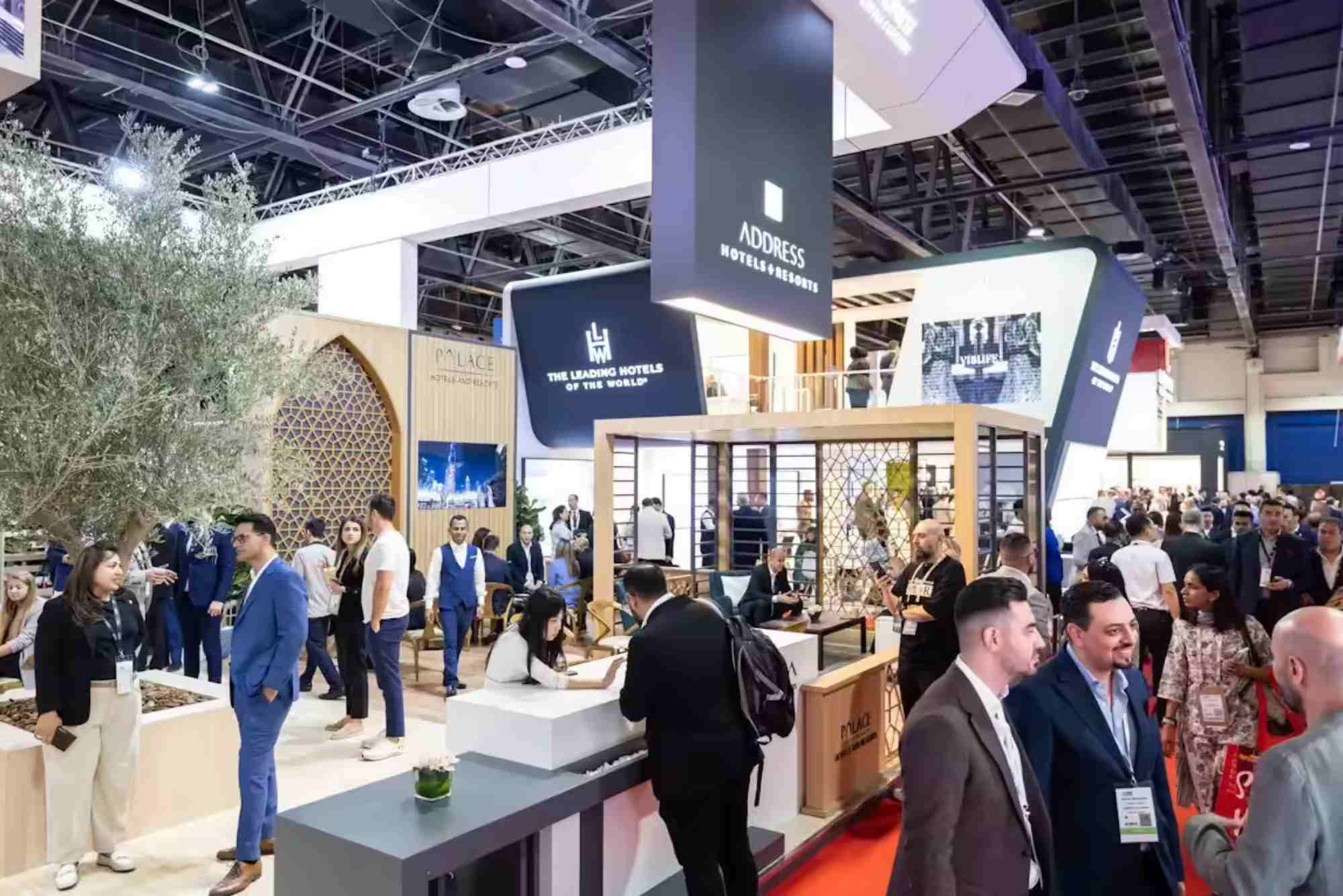
The event kicked off with a high-energy opening ceremony attended by VIP delegates, media representatives, and tourism influencers. From the first hour, it was clear that ATM 2017 aimed to highlight sustainable travel, digital innovation, and cultural tourism. Over 2,600 exhibitors from more than 150 countries gathered to showcase their latest products and strategies for attracting international travelers.
Keynote addresses and panel discussions on Day 1 focused heavily on the economic diversification efforts of GCC countries, especially the UAE, Saudi Arabia, and Qatar. Each sought to position tourism as a major pillar of non-oil economic growth. The Arabian Travel Market 2017 dates coincided strategically with global shifts in consumer behavior, offering exhibitors and attendees valuable insights into emerging trends.
Major Themes and Industry Trends at ATM 2017
One of the most prominent themes of ATM 2017 was experiential travel. This concept revolved around the idea that travelers, particularly millennials and Gen Z, are increasingly seeking immersive and meaningful experiences. Whether it was desert eco-camps, curated heritage tours, or adventure-based itineraries, destinations were keen to present more than just luxury—authenticity was the key.
Sustainable tourism also took center stage. Various presentations and workshops emphasized green hotel design, eco-friendly travel options, and corporate responsibility. Tourism stakeholders from destinations like Jordan and Oman showcased how preserving natural and cultural heritage can lead to long-term tourism success.
The rapid advancement of travel technology was another critical highlight. From AI-powered chatbots to virtual reality booking experiences, exhibitors displayed a wide range of digital tools designed to improve customer engagement and streamline operations. Travel start-ups and tech innovators were given a special platform at the Travel Tech Theatre, where live demos drew significant attention from B2B buyers.
Regional Spotlights: Who Stood Out?
Several regions leveraged the Arabian Travel Market 2017 dates to strengthen their presence in the Middle East market. Asia-Pacific countries, particularly Thailand, Malaysia, and the Philippines, invested heavily in showcasing their halal-friendly tourism offerings. Given the growing outbound travel from the Gulf Cooperation Council, these destinations targeted Arab travelers with tailored packages, Arabic-speaking guides, and culturally appropriate accommodations.
On the African front, South Africa and Kenya led impressive showcases that emphasized safari tourism, cultural tours, and visa facilitation for Middle Eastern tourists. The spotlight on Africa at ATM 2017 marked a shift in regional travel preferences and reflected the Middle East’s increasing travel appetite beyond traditional destinations.
Europe, while already a mature market, focused on restoring traveler confidence post-2016. Countries like Spain, Italy, and France presented new safety protocols, faster visa processing, and family-focused travel packages. These efforts helped reassure travel agents and operators seeking reliable destinations for their clients.
Innovations in Hospitality and Travel Experiences
Hospitality brands used the Arabian Travel Market 2017 to unveil new hotel projects, renovations, and service innovations. Hilton, Marriott, Accor, and Jumeirah all presented new developments, especially in the UAE and Saudi Arabia. With Expo 2020 on the horizon, the UAE’s hotel pipeline saw a major push, and ATM served as the ideal platform to announce upcoming launches.
Wellness tourism and medical travel were also in the spotlight. Dubai, known for its advanced medical infrastructure, presented itself as a hub for health and wellness retreats. This segment’s rising popularity aligned well with global trends and the UAE’s vision for diversified tourism.
One of the most talked-about sections was the Travel Agents’ Academy, where travel agents and DMCs (Destination Management Companies) could attend skill-building workshops. These sessions offered practical training on digital marketing, itinerary customization, and handling high-net-worth clients.
Buyer-Seller Connections and B2B Networking
At its core, the Arabian Travel Market 2017 was a B2B event. Over 28,000 trade professionals attended, seeking partnerships, distribution deals, and new products. The ATM Speed Networking sessions, held at the start of each day, allowed suppliers to connect with buyers from across the globe in rapid 5-minute intervals.
One of the standout features was the Hosted Buyers Program, where select high-value buyers were invited to exclusive meetings with top-tier exhibitors. This ensured that key business decisions and contracts were being negotiated and finalized in real time.
Special attention was given to luxury travel, a segment that continues to thrive in the Middle East. From private island packages to bespoke yacht charters, luxury was not just about price—it was about personalization and exclusivity.
Role of UAE in Leading Regional Tourism Growth
Since the ATM was hosted in Dubai, it offered an excellent opportunity to highlight the UAE’s ambitious tourism plans. Dubai’s Department of Tourism and Commerce Marketing (DTCM) presented strategies to attract 20 million visitors by 2020, including investments in smart tourism infrastructure and diversification of tourist attractions.
Abu Dhabi and Sharjah also used ATM 2017 to showcase their distinct offerings. Abu Dhabi focused on cultural tourism with campaigns around the Louvre Abu Dhabi and Qasr Al Hosn. Sharjah, meanwhile, positioned itself as a family and heritage destination, with emphasis on museums, festivals, and traditional architecture.
Arabian Travel Market 2017 Dates: Why Timing Mattered
Held from April 24 to April 27, 2017, the timing of ATM 2017 was critical. It came just before the peak summer holiday booking season in the Middle East, giving agents and tour operators time to plan, sell, and promote new travel packages.
The April window also allowed international tourism boards to align their campaigns with Ramadan, Eid holidays, and school vacations—all major travel periods for Gulf residents. Many exhibitors launched their summer travel campaigns at ATM, securing early bookings and business leads.
Moreover, April 2017 marked a stable period for global travel following political and economic uncertainties in 2016. This meant more confidence among buyers, resulting in stronger negotiations and partnership deals.
The Lasting Impact of ATM 2017
The legacy of Arabian Travel Market 2017 extended well beyond its four-day schedule. According to post-event reports, over $2.5 billion worth of travel industry deals were signed or initiated during the show. Tourism stakeholders saw real value not just in leads but in insights—data, consumer behavior trends, and marketing ideas that would shape their strategies for years to come.
ATM 2017 also reaffirmed Dubai’s status as the hub of global travel trade in the region. Its modern infrastructure, business-friendly environment, and government support continue to attract world-class events and partnerships.
From innovations in travel tech to the celebration of cultural tourism, Arabian Travel Market 2017 proved to be a milestone edition that reflected the evolving needs and aspirations of both travelers and industry players.
(FAQs)
What were the Arabian Travel Market 2017 dates?
The Arabian Travel Market 2017 took place from April 24 to April 27 at the Dubai World Trade Centre.
Where was Arabian Travel Market 2017 held?
ATM 2017 was held at the Dubai World Trade Centre, the region’s premier venue for global trade exhibitions and conferences.
Who attended the Arabian Travel Market 2017?
Over 28,000 travel professionals, including tourism boards, airlines, hotels, and travel tech companies, attended the event.
What was the main focus of Arabian Travel Market 2017?
The event emphasized experiential travel, sustainable tourism, travel tech innovation, and regional partnerships.
How did Arabian Travel Market 2017 benefit tourism companies?
The event helped businesses generate leads, sign partnerships, launch new products, and stay updated with global travel trends.
Is Arabian Travel Market an annual event?
Yes, the Arabian Travel Market is held annually in Dubai and has been running successfully since 1994.
What was new in Arabian Travel Market 2017 compared to previous years?
ATM 2017 introduced expanded tech zones, focused more on wellness tourism, and provided in-depth training for travel agents.
Arabian Travel Market 2017 was more than just an exhibition; it was a comprehensive experience that redefined travel trade in the Middle East. The choice of the dates, the quality of the speakers, the diversity of the exhibitors, and the high-impact networking opportunities made it a resounding success. As global travel continues to evolve, the lessons and partnerships formed during ATM 2017 remain relevant and influential.
If you’re in the travel business or simply passionate about global tourism trends, attending or revisiting insights from ATM can offer you valuable direction. For the latest updates and to prepare for future editions, keep an eye on official Arabian Travel Market announcements.