The Average Life of Car Brake Pads: When to Replace Them
Car brake pads are one of the most important components for vehicle safety. They ensure your car can stop effectively when needed. Knowing the average life of car brake pads is essential for preventing accidents, avoiding costly repairs, and maintaining smooth performance. Many drivers ignore brake pad maintenance until they hear squealing noises or feel vibrations, but by then, it might be too late. Understanding how long brake pads last and the signs of wear can save you both time and money.
Understanding the Average Life of Car Brake Pads
The average life of car brake pads generally falls between 30,000 and 70,000 miles. However, this range is not fixed because it depends on several factors such as driving style, road conditions, and the type of brake pads used. Some drivers may need replacements as early as 20,000 miles, while others may stretch their brake pads beyond 80,000 miles if they drive gently and maintain their vehicles regularly.
Factors Affecting Brake Pad Lifespan
Your driving habits play a big role in how long brake pads last. Aggressive braking, frequent stop-and-go driving, and carrying heavy loads can wear pads out much faster. City driving usually shortens brake pad life compared to highway driving because you’re stopping more often.
Another important factor is the quality of the brake pads themselves. Cheap, low-quality pads may wear out quicker than premium ones. Organic brake pads tend to have a shorter lifespan but provide quieter performance, while ceramic brake pads last longer and handle heat better. Semi-metallic pads offer a balance between durability and braking performance.
Environmental conditions also matter. If you drive in hilly or mountainous areas, you’ll use your brakes more frequently, which means faster wear. Similarly, driving in wet or muddy conditions can cause debris to stick to your brake pads, shortening their lifespan.
Signs It’s Time to Replace Brake Pads
Knowing the average life of car brake pads is useful, but relying solely on mileage can be risky. Brake pad wear can vary from one driver to another. That’s why paying attention to warning signs is equally important.
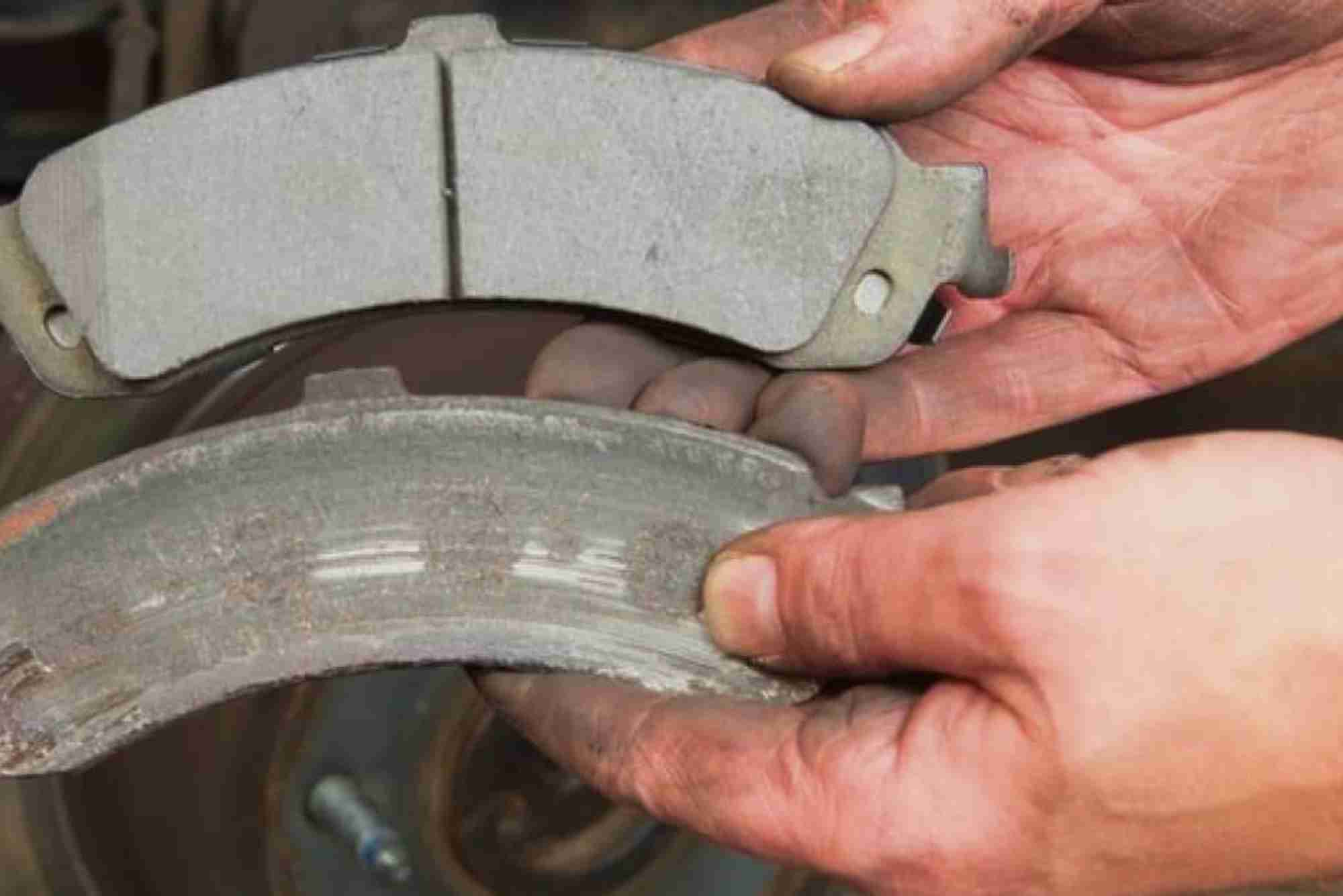
One of the most common signs is a squealing or squeaking sound when braking. This noise often comes from a built-in wear indicator designed to alert you when pads are thin. Grinding noises, however, are more serious and usually mean your pads are completely worn, causing the metal backing plate to scrape against the rotor.
Another sign is reduced braking performance. If your car takes longer to stop or feels less responsive, your brake pads might be worn down. You may also notice vibrations in the brake pedal, which can indicate uneven pad wear or rotor damage.
A visual inspection can also help. If the brake pad material looks thinner than a quarter-inch, it’s time for replacement. Many modern cars have brake pad wear sensors that trigger a dashboard warning light when pads are near the end of their life.
How to Extend the Life of Your Brake Pads
While you can’t make brake pads last forever, you can maximize their lifespan with proper driving and maintenance habits. Driving smoothly and avoiding sudden stops will reduce brake wear. Maintaining a safe following distance allows you to slow down gradually rather than slamming on the brakes.
You should also avoid resting your foot on the brake pedal while driving, as this causes unnecessary wear. If you drive in hilly areas, use engine braking by downshifting instead of relying solely on the brakes.
Regular brake inspections during oil changes or tire rotations will help you catch wear early. Cleaning your brakes and ensuring the calipers are functioning correctly can also prevent uneven wear. Investing in high-quality brake pads suited for your driving style and conditions can save you money in the long run.
When to Replace Brake Pads for Safety
The general recommendation is to replace brake pads when they reach about 3mm to 4mm in thickness. Waiting too long can damage the rotors, leading to more expensive repairs. Even if your pads have not reached the mileage limit, replace them if you notice significant wear or any of the warning signs mentioned earlier.
It’s best to check your brake pads at least twice a year. If you frequently tow heavy loads, drive in heavy traffic, or navigate steep hills, you should inspect them more often.
FAQs
How often should brake pads be replaced?
Most brake pads last between 30,000 and 70,000 miles, but replacement should depend on wear, not just mileage.
Can brake pads last 100,000 miles?
Yes, but it’s rare. Only gentle driving, quality pads, and ideal conditions can make them last that long.
Do front brake pads wear faster than rear ones?
Yes. Front pads usually wear faster because they handle more braking force.
What happens if I don’t replace worn brake pads?
You risk damaging your rotors, losing braking efficiency, and increasing the chance of an accident.
How can I check brake pad thickness?
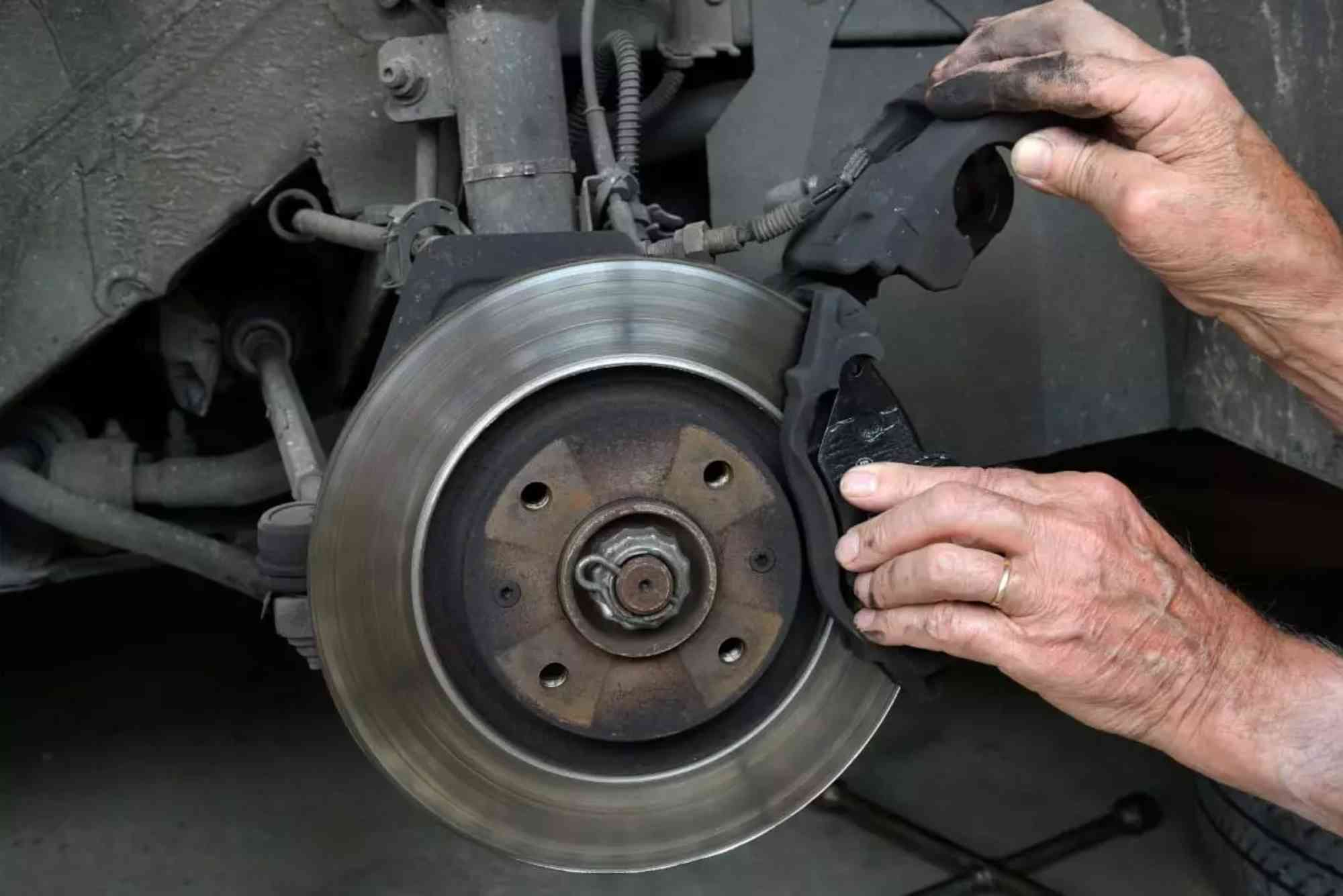
You can visually inspect them through the wheel spokes or have a mechanic measure them during routine maintenance.
Understanding the average life of car brake pads helps you plan maintenance and avoid dangerous situations. While most brake pads last between 30,000 and 70,000 miles, factors like driving habits, terrain, and brake pad material can change this range significantly. Regular inspections, smooth driving, and timely replacements will keep your braking system safe and effective.