Introduction
Winter can bring chilly winds, rain, snow, and icy pavements that make outdoor walks uncomfortable for dogs. Choosing the Best Winter Dog Coats and Waterproof Boots for Cold Weather helps protect your pet from harsh conditions while keeping daily walks enjoyable. Although some dogs naturally tolerate low temperatures, others need extra protection to stay warm and comfortable.
Small breeds, short-haired dogs, puppies, senior dogs, and pets with certain health conditions can be especially sensitive to cold weather. Therefore, suitable winter clothing can make a meaningful difference. A well-fitted coat helps retain body heat, while waterproof boots protect paws from moisture, ice, and rough surfaces.
However, not every winter coat or pair of dog boots offers the same benefits. The right choice depends on your dog’s size, coat type, activity level, and local climate. Understanding these factors makes it easier to select practical winter gear that supports your dog’s comfort and safety.
Why Dogs Need Winter Coats and Waterproof Boots
Dogs have different levels of protection against cold weather. Breeds such as Siberian Huskies and Alaskan Malamutes have thick double coats that help them tolerate colder conditions. In contrast, Chihuahuas, Greyhounds, and other short-haired breeds may become uncomfortable much sooner.
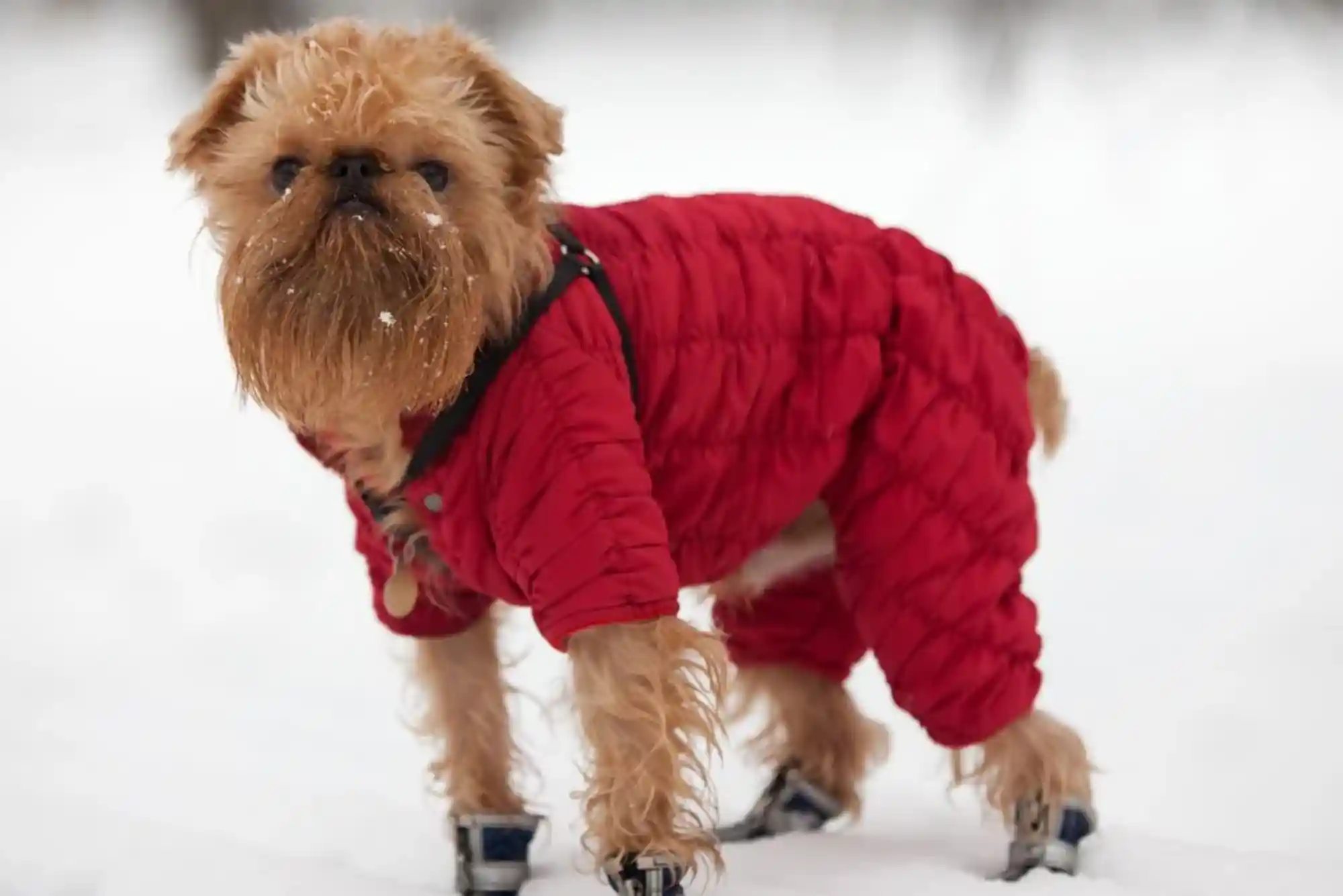
A winter dog coat provides an additional layer of insulation. It helps reduce heat loss and protects the body from cold winds. Water-resistant or waterproof materials can also keep rain and melting snow from soaking the dog’s fur.
Waterproof boots provide another important layer of protection. Cold, wet paws can become uncomfortable during winter walks. Ice, snow, road salt, and chemical deicers may also irritate paw pads.

Nevertheless, winter gear does not make every outdoor condition safe. Dogs still need shorter walks during severe weather, access to shelter, and regular checks for signs of discomfort.
Best Winter Dog Coats and Waterproof Boots for Cold Weather: What to Look For
Choosing suitable winter gear requires more than selecting an attractive design. Comfort, protection, durability, and proper sizing should guide your decision.
Insulated Coats for Extremely Cold Weather
Insulated dog coats are useful for dogs that struggle in freezing temperatures. Look for designs with fleece lining, synthetic insulation, or other materials that retain warmth without adding excessive weight.
A coat should cover the dog’s back and chest while allowing natural movement. Adjustable straps can improve the fit and reduce gaps where cold air enters.
For snowy conditions, consider a coat with a wind-resistant outer layer. Some designs also include reflective details, which improve visibility during dark winter mornings and evenings.
Waterproof Coats for Rain and Snow
A waterproof dog coat is particularly useful in wet climates. It helps prevent rain and melting snow from soaking through the fabric.
Check whether the material is genuinely waterproof or simply water-resistant. Water-resistant fabrics may handle light rain but provide limited protection during prolonged wet weather.
A practical coat should also dry quickly and clean easily. Avoid heavy designs that become uncomfortable when wet or restrict your dog’s movement.
Waterproof Dog Boots for Paw Protection
The best waterproof dog boots should protect paws without causing rubbing or limiting natural movement. Look for flexible soles, secure fastenings, and materials that resist water.
Rubber soles can improve grip on slippery surfaces. Meanwhile, breathable inner materials may help reduce excessive moisture inside the boots.
Boot height also matters. Short boots may suit rainy pavement walks, while taller designs can provide better coverage in deeper snow.
Before buying, measure every paw carefully. Front and rear paws may differ in size, so always follow the manufacturer’s measurement instructions.
How to Choose the Right Winter Coat for Your Dog
The ideal coat depends on your dog’s individual needs. A thick-coated dog may require a lightweight waterproof shell rather than heavy insulation. A small, short-haired dog may benefit from a warmer design with chest coverage.
Measure Your Dog Before Buying
Use a soft measuring tape to measure your dog’s back length, chest circumference, and neck circumference. Compare these measurements with the brand’s sizing chart.
Do not rely on breed names or weight alone. Dogs of the same breed can have different body shapes, making accurate measurements essential.
The coat should fit securely without squeezing the chest or shoulders. You should be able to place a finger comfortably beneath adjustable straps.
Consider Your Dog’s Activity Level
Active dogs generate body heat while running and playing. They may need less insulation than dogs that walk slowly or spend most of their time outdoors on a leash.
For energetic winter walks, choose lightweight materials that allow unrestricted movement. For short outdoor bathroom breaks, a simple insulated coat may provide sufficient protection.
Watch your dog during the first few walks. If the coat causes rubbing, unusual movement, or persistent attempts to remove it, reconsider the fit or design.
How to Find Comfortable Waterproof Boots for Winter Walks
Dog boots can feel unfamiliar at first. Therefore, selecting the correct size and introducing them gradually helps improve acceptance.
Choose Boots With Secure Fastenings
Boots should remain in place without cutting off circulation or pressing tightly against the legs. Adjustable closures help create a secure fit.
Check the boots after a few minutes of walking. If they twist, slip off, or leave red marks, adjust the fit or try another size.
Look for Traction and Flexibility
Winter pavements can become slippery because of ice, rain, or compacted snow. Boots with textured soles may improve grip, although they cannot eliminate every slipping risk.
Flexible soles allow more natural paw movement. Very stiff boots can make walking awkward, especially for small dogs.
Also, check the inside regularly for trapped snow, grit, or moisture. Remove the boots after walks and dry your dog’s paws thoroughly.
Introduce Boots Gradually
Let your dog sniff the boots before putting them on. Next, place one boot on a paw and offer praise or a small treat.
Allow your dog to wear the boots indoors for a few minutes. Gradually increase the time before attempting a short outdoor walk.
Some dogs need several sessions to adjust. Never force your pet to continue if the boots cause pain or distress.
Matching Winter Gear to Different Weather Conditions
The Best Winter Dog Coats and Waterproof Boots for Cold Weather should match the conditions your dog encounters most often.
During cold, dry weather, an insulated coat may provide enough protection for sensitive dogs. Waterproof boots become more useful when pavements are wet, icy, or treated with deicing products.
For rainy winter days, prioritize a waterproof coat with reliable coverage. Boots can help keep paws dry, especially during longer walks through puddles.
In snowy areas, choose gear that covers vulnerable areas without restricting movement. Check paws frequently because snow can collect between the toes and form uncomfortable ice balls.
Remember that temperature alone does not determine risk. Wind, humidity, wet fur, activity level, and your dog’s health all affect cold tolerance.
Signs Your Dog Is Too Cold
Even with appropriate winter clothing, dogs can become dangerously cold. Learning to recognize warning signs helps you respond quickly.
Shivering, lifting paws repeatedly, slowing down, whining, and trying to return home may indicate discomfort. Your dog may also curl up, seek shelter, or refuse to continue walking.
If you notice these behaviors, move indoors or to a warm, sheltered place. Remove wet clothing and dry your dog gently.
Severe weakness, confusion, shallow breathing, or collapse may indicate a medical emergency. Contact a veterinarian immediately if these symptoms appear.
Do not use direct high heat to warm a cold dog. Instead, follow veterinary advice and warm your pet gradually.
Caring for Winter Coats and Waterproof Boots
Proper maintenance helps winter gear remain comfortable and effective. Follow the manufacturer’s washing instructions, especially for insulated or waterproof fabrics.
Clean coats after muddy walks and allow them to dry completely before storing them. Inspect seams, fasteners, and reflective elements for damage.
After each walk, rinse boots if they have contacted road salt or deicing chemicals. Dry the interior thoroughly to prevent unpleasant odors and skin irritation.
Check your dog’s paw pads regularly for cracks, redness, swelling, or soreness. If irritation persists, consult your veterinarian.
Winter clothing should also be inspected for wear. Replace damaged boots or coats that no longer fit securely.
Frequently Asked Questions
Do all dogs need winter coats?
No, not every dog needs a winter coat. Thick-coated breeds often tolerate cold weather better than short-haired or small dogs. Puppies, senior dogs, and pets with health problems may need extra protection. Consider your dog’s comfort and ask your veterinarian if you are unsure.
Are waterproof boots necessary for dogs in winter?
Waterproof boots are useful when dogs walk on wet, icy, snowy, or salted surfaces. They can help protect paw pads from moisture and irritating chemicals. However, some dogs may prefer other forms of paw protection. Wiping and drying paws after walks is also important.
How do I know if my dog’s winter coat fits properly?
A properly fitted coat should cover the back and chest without restricting breathing or movement. Check that your dog can walk, sit, and turn comfortably. Straps should not rub the skin or press tightly against the body. Always consult the manufacturer’s sizing chart.
Can dogs wear boots all day?
Most dogs do not need to wear boots all day. Prolonged use may trap moisture or cause rubbing if the boots are poorly fitted. Remove them indoors when appropriate and inspect the paws regularly. Follow veterinary advice if your dog requires protective footwear for a medical reason.
What is the best material for waterproof dog boots?
Look for water-resistant or waterproof outer materials, flexible soles, and secure closures. Textured soles can improve traction on slippery surfaces. The best material depends on your dog’s activity and the weather. Proper sizing is just as important as the material itself.
How long can dogs stay outside in cold weather?
There is no single safe time limit for every dog. Cold tolerance varies with breed, size, age, health, wind, and moisture. Sensitive dogs may need very brief outings, while cold-adapted breeds may tolerate longer activity. Watch for signs of discomfort and return indoors when necessary.
Conclusion
Choosing the Best Winter Dog Coats and Waterproof Boots for Cold Weather helps make winter walks safer and more comfortable. The right coat provides suitable insulation, while well-fitted boots help protect paws from water, ice, and irritating substances.