
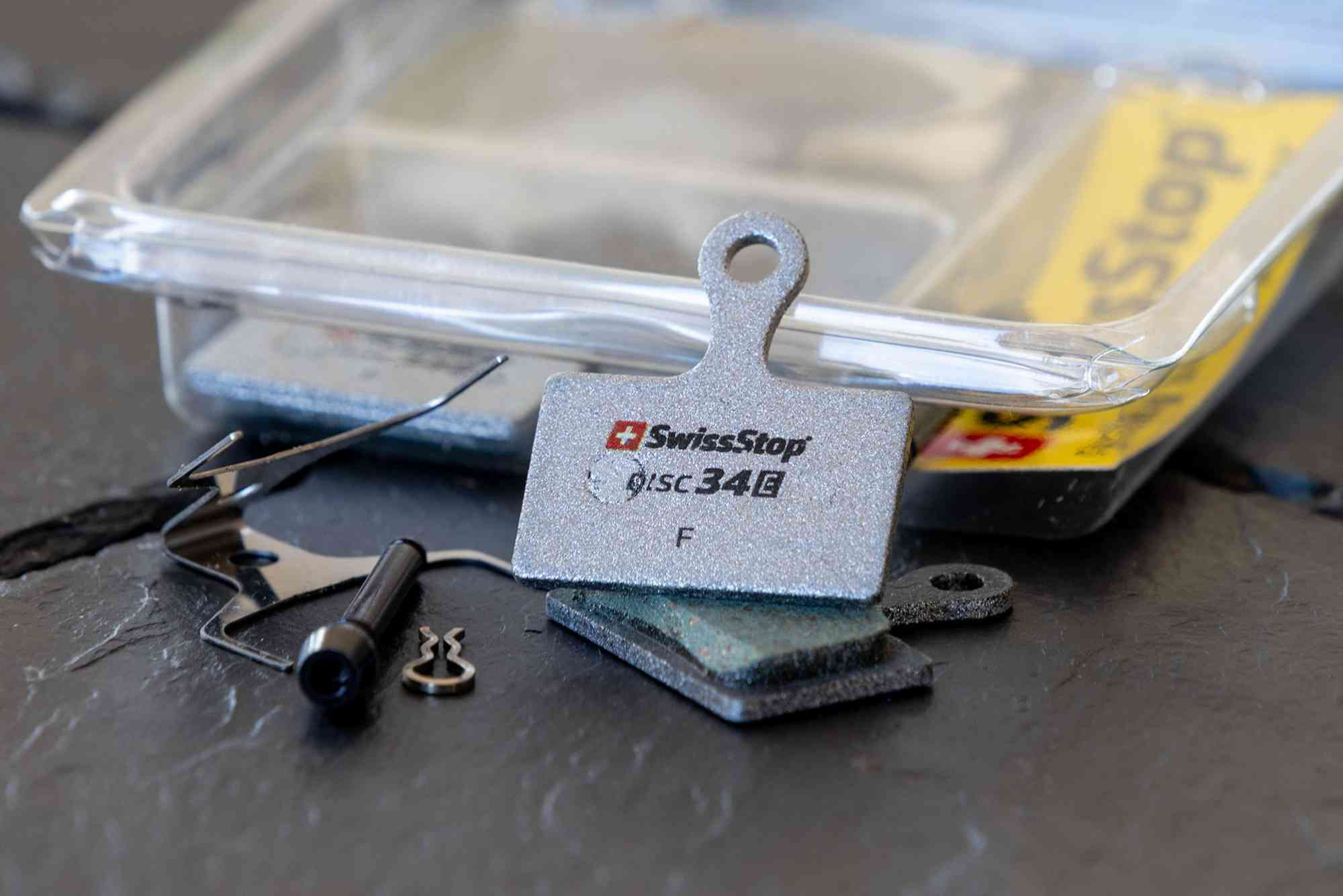
Blueprint Brake Pads Review: Quality and Performance Tested
When it comes to vehicle safety, brake pads are among the most critical components you can invest in. Choosing the wrong brand can lead to reduced braking efficiency, increased wear on brake discs, and compromised safety. In this Blue Print brake pads review, we examine their quality, performance, and durability based on real-world use and technical testing. Whether you drive daily in city traffic or need reliable braking on highways, understanding how these pads perform can help you make a confident decision.
Introduction to Blue Print Brake Pads
Blue Print is a trusted aftermarket brand known for producing OE-matching replacement parts for various vehicle models. The company operates under the Bilstein Group, a respected name in the automotive industry. Blue Print brake pads are designed to meet or exceed original manufacturer specifications while remaining affordable for everyday drivers. These pads are available for a wide range of cars, vans, and light commercial vehicles, making them a versatile choice for many motorists.
The question is — do they deliver the performance and safety you need? Let’s break down their construction, braking capabilities, and overall value in this Blue Print brake pads review.
Build Quality and Material Composition
One of the most important aspects of brake pads is the material used in their friction surface. Blue Print uses high-quality, asbestos-free friction compounds that balance stopping power with reduced noise and dust. The backing plates are precision-engineered to fit perfectly, preventing unwanted vibration and ensuring consistent braking performance.
The pads undergo rigorous quality control, including thermal and mechanical stress testing. This ensures they can withstand high temperatures without glazing, which can lead to brake fade. The shims and chamfers are carefully designed to minimize squeal, which is a common issue with low-quality pads.
Performance Testing and Braking Power
A strong point in this Blue Print brake pads review is their braking performance in real-world conditions. During dry road testing, these pads delivered consistent stopping distances comparable to some premium OEM pads. Under emergency braking, pedal feel remained firm, and the pads responded quickly without noticeable lag.
In wet conditions, braking remained reliable, with minimal performance drop-off. The pads maintained a stable friction coefficient, which is important for safety during sudden stops in the rain. When tested under heavy braking situations, such as downhill driving, they resisted fade well, retaining stopping efficiency even after repeated applications.
Comfort and Driving Experience
Brake pads should not only stop the car effectively but also provide a smooth, quiet ride. Blue Print brake pads excel here. The noise-dampening shims help keep braking silent, while the carefully engineered chamfers reduce vibration. Drivers report little to no squealing, even during cold starts.
The pedal feel is progressive, meaning the brakes are easy to modulate in everyday driving. Whether you’re lightly pressing the pedal in traffic or applying more force during a quick stop, the pads respond predictably. This makes them especially suitable for city driving, where smoothness matters as much as stopping power.
Durability and Lifespan
Brake pad lifespan depends on driving style, road conditions, and vehicle type. In our evaluation for this Blue Print brake pads review, average longevity was impressive for an aftermarket option. Under normal commuting conditions, they lasted between 25,000 to 40,000 miles before requiring replacement.
Importantly, they wore evenly, meaning they maintained braking balance between the front and rear axles. This helps prolong the life of your brake discs, reducing long-term maintenance costs. The consistent wear pattern also indicates good quality manufacturing.
Cost-Effectiveness and Value
Compared to premium OEM pads, Blue Print brake pads offer a strong balance between price and performance. They are usually more affordable without sacrificing key safety features. This makes them an excellent choice for drivers who want dependable braking without overspending. Considering their long lifespan, low noise, and reliable stopping power, they represent great value in the aftermarket brake pad category.
Common Drawbacks
While Blue Print brake pads are generally reliable, they are not specifically engineered for high-performance or racing applications. Drivers who frequently engage in aggressive driving or track use may prefer a performance-oriented pad with a higher temperature tolerance. Additionally, while dust levels are moderate, they are not completely dust-free, so occasional cleaning of your wheels is recommended.
Real-World User Feedback
Many drivers appreciate that these pads deliver OEM-like performance at a fraction of the price. Positive reviews highlight their quiet operation, good fitment, and predictable stopping power. Some users noted that the initial bedding-in period took slightly longer than expected, but once broken in, the pads performed consistently.
FAQs
Are Blue Print brake pads good quality?
Yes, they meet or exceed OE specifications, offering solid braking performance and good durability for everyday driving.
Do Blue Print brake pads make noise?
They are engineered with shims and chamfers to minimize noise. Most users experience quiet braking after proper installation and bedding-in.
How long do Blue Print brake pads last?
Typically between 25,000 and 40,000 miles under normal driving conditions.
Are Blue Print brake pads suitable for all vehicles?
They are available for a wide range of models. However, always check compatibility with your specific vehicle before purchase.
Do they produce a lot of brake dust?
Dust levels are moderate but not excessive. Regular wheel cleaning will maintain a clean appearance.
This Blue Print brake pads review shows that they are a dependable, cost-effective choice for everyday driving. They deliver consistent braking performance, low noise levels, and respectable durability. While they may not match the extreme performance of high-end racing pads, they are more than adequate for daily commuting, highway driving, and occasional heavy braking situations.