
What Does Brake Wear Mean? Understanding the Terminology
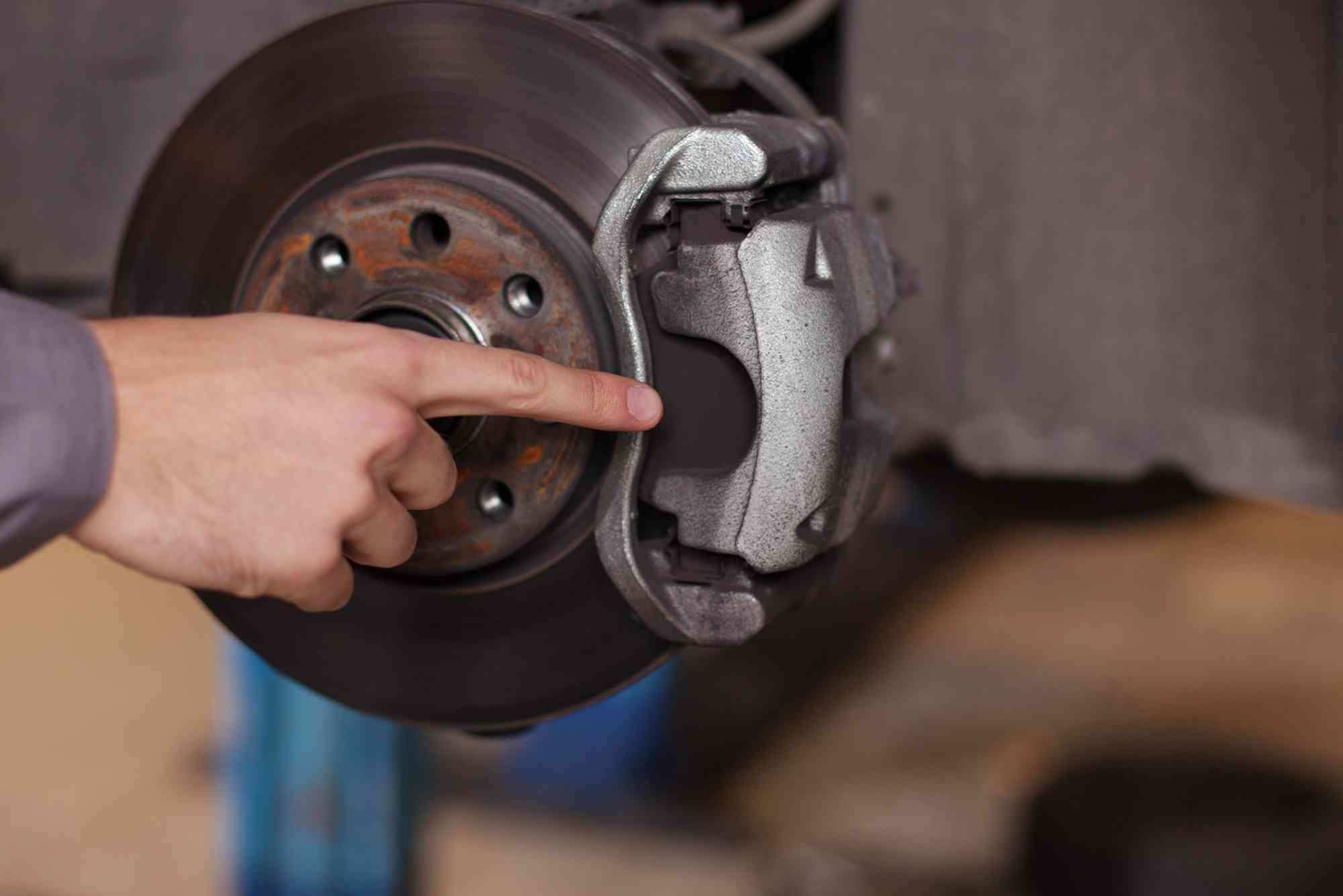
Your car’s braking system is one of its most critical safety features. When you hear the term brake wear, it refers to the gradual deterioration of the components within your brake system, particularly the brake pads, rotors, and discs. But what exactly is the brake wear meaning, and why should drivers understand it?
In this guide, we’ll break down the terminology, explain what causes brake wear, how to spot early signs, and what you can do to prevent it. By the end, you’ll not only know the brake wear meaning, but also how to extend the life of your braking system and keep your vehicle safe.
Why Understanding Brake Wear Meaning Matters
Brakes directly affect your safety. When they wear out, stopping distances increase, which can lead to dangerous situations. Understanding the brake wear meaning helps drivers recognize when it’s time for maintenance before costly or unsafe issues arise.
- Brake pads thin out over time due to friction.
- Rotors develop grooves or cracks if ignored.
- Excessive wear reduces braking efficiency.
By knowing what brake wear means, you can save money and avoid unexpected breakdowns.
The Basics of Brake Wear
Brake Pads
Brake pads press against the rotors to slow your car. Over time, friction wears down the pad material.
Rotors and Discs
Rotors face heat and pressure every time you brake. Their surfaces become uneven if pads are neglected.
Brake Shoes (in drum systems)
Brake shoes serve a similar purpose in drum brakes. They also wear out with repeated use.
In simple terms, the brake wear meaning is the natural wearing down of these parts from regular driving.
Causes of Brake Wear
Driving Habits
Aggressive braking, tailgating, and speeding increase wear dramatically.
Road Conditions
Hilly areas or city driving with stop-and-go traffic speed up brake wear.
Vehicle Weight
Heavier vehicles put more stress on brake components.
Brake Pad Material
Organic pads wear faster, while ceramic or metallic pads last longer.
Understanding these factors helps clarify the brake wear meaning in real-world situations.
Signs Your Brakes Are Wearing Out
Squeaking or Squealing Noises
A high-pitched noise signals worn pads.
Grinding Sound
Grinding indicates pads are gone, and metal is hitting the rotor.
Warning Light
Modern vehicles display a brake wear indicator on the dashboard.
Vibrations
If the steering wheel or pedal shakes when braking, rotors may be warped.
Longer Stopping Distance
If it takes longer to stop, your brakes may be dangerously worn.
Recognizing these signs early ensures you understand the practical side of brake wear meaning.
How Mechanics Measure Brake Wear
Mechanics often use a caliper tool to check brake pad thickness. Standard pads start at around 12 mm. Replacement is usually recommended when they reach 3 mm or less.
For rotors, technicians check the minimum thickness requirement. If rotors fall below this measurement, they must be replaced. This quantifiable check is key to the technical brake wear meaning in auto repair.
Preventing Excessive Brake Wear
Drive Smoothly
Gradual braking reduces friction.
Keep Distance
Avoid constant stop-and-go traffic habits.
Regular Maintenance
Check pads and fluid during every service.
Use Engine Braking
When possible, downshift instead of riding the brakes.
By adopting these habits, you extend the life of your braking system and minimize repair costs.
Common Misconceptions About Brake Wear
All Brake Pads Last the Same
Reality: Material quality and driving habits greatly influence lifespan.
Rotors Don’t Need Replacement
Reality: Worn rotors can reduce safety, even if pads are new.
Brake Wear Is Always Noisy
Reality: Some pads wear silently, making regular checks essential.
Clearing up these myths strengthens your understanding of brake wear meaning.
Cost of Ignoring Brake Wear
Neglecting brake wear doesn’t just impact performance; it hits your wallet too.
- Pad replacement cost: $100–$300 per axle
- Rotor replacement cost: $300–$600 per axle
- Complete brake system repair: $800–$1,200
Preventive maintenance is always cheaper than emergency repairs.
FAQs
What is the brake wear meaning in simple terms?
It refers to the natural thinning and deterioration of brake components, especially pads and rotors, due to regular use.
How long should brake pads last?
Most pads last between 30,000–70,000 miles, depending on driving habits and conditions.
Can I drive with brake wear warning light on?
It’s unsafe. The light signals your pads are too thin and should be replaced immediately.
What happens if I ignore brake wear?
Ignoring it leads to longer stopping distances, rotor damage, and higher repair costs.
Do all cars have a brake wear sensor?
Not all. Some rely on physical inspections, while newer models have dashboard indicators.
Understanding the brake wear meaning is more than just technical knowledge—it’s about protecting yourself, your passengers, and your vehicle. Brakes are your car’s first line of defense against accidents, and staying on top of their condition ensures safety and savings.