Briggs and Stratton Oil Filter: Choosing the Right Filter for Your Engine
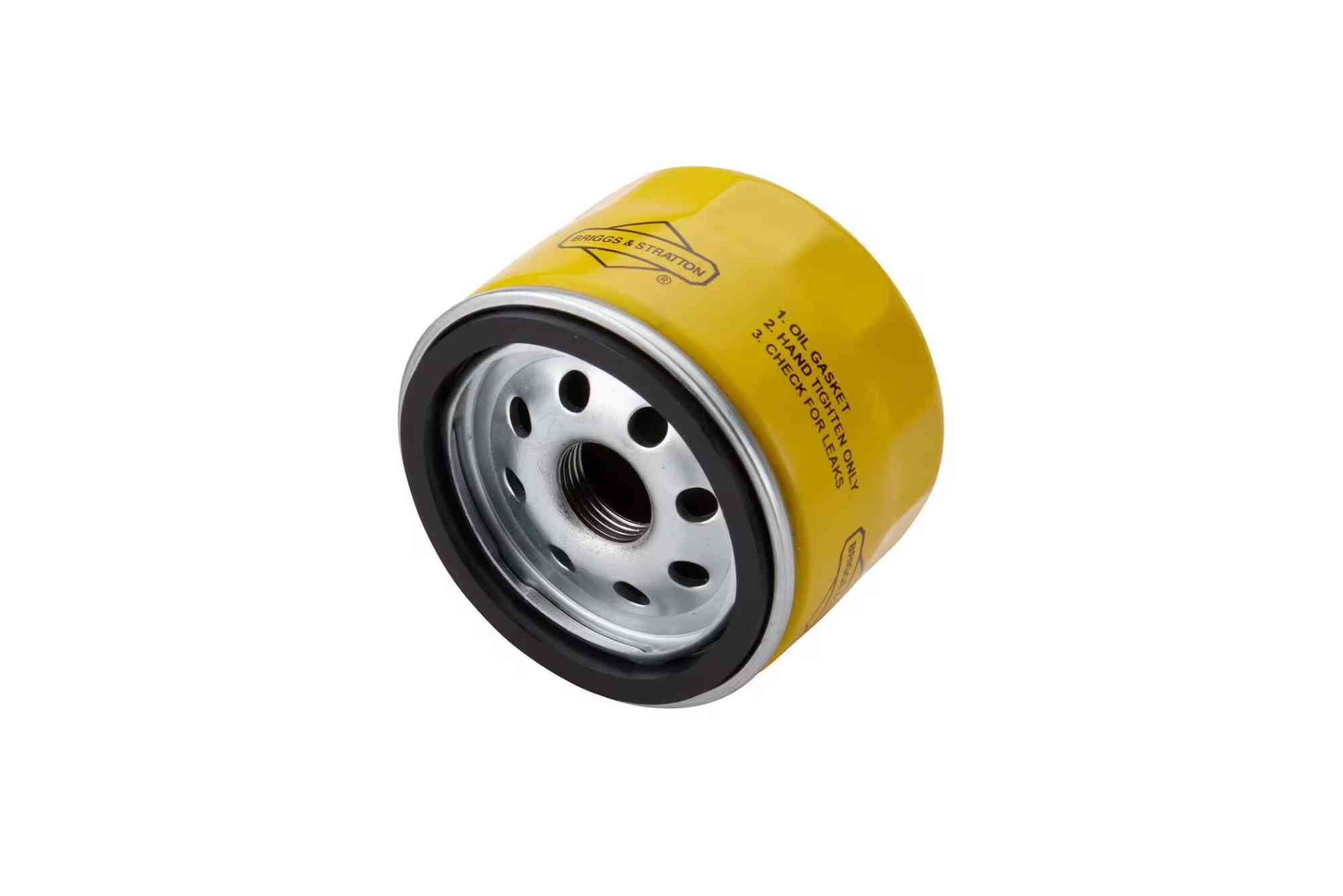
When it comes to maintaining your small engine, whether it’s a lawn mower, generator, or pressure washer, the oil filter plays a critical role. A properly functioning oil filter ensures that your engine runs smoothly, reduces wear and tear, and extends the engine’s lifespan. For many small engine owners, understanding the importance of a Briggs and Stratton oil filter and selecting the right one can make all the difference. This guide will help you navigate your options, understand key specifications, and make an informed decision to protect your engine investment.
Why the Oil Filter Matters
Engines are intricate machines, and oil is their lifeblood. It lubricates moving parts, dissipates heat, and prevents corrosion. However, over time, oil collects contaminants such as dirt, metal particles, and sludge. These contaminants can reduce performance and increase engine wear. This is where the Briggs and Stratton oil filter becomes essential. By trapping dirt and impurities, it ensures that only clean oil circulates through the engine, preserving efficiency and longevity. Skipping regular oil filter maintenance can lead to reduced performance, higher repair costs, and a shorter engine lifespan.
How the Oil Filter Protects Your Engine
A quality oil filter functions as a barrier between your engine and harmful particles. It captures debris while maintaining optimal oil flow. Without an effective filter, particles can circulate freely, causing abrasion on engine components such as pistons, bearings, and cylinder walls. This results in reduced efficiency, overheating, and eventually costly repairs. Briggs and Stratton oil filters are designed specifically for their engines, ensuring a precise fit and effective filtration for various small engine models.
Signs You Need to Replace the Oil Filter
Recognizing when to replace your oil filter can prevent engine damage. Common signs include dark or dirty oil, unusual engine noises, or decreased performance. Some engines may also have a built-in oil change indicator, signaling the need for filter replacement. Even if these signs aren’t present, following the manufacturer’s recommended maintenance schedule is essential. Most Briggs and Stratton engines recommend changing the oil filter every 50 to 100 hours of operation or annually, whichever comes first.
Types of Briggs and Stratton Oil Filters
Briggs and Stratton offers several oil filter options to accommodate different engine models and operational conditions. Understanding the distinctions can help you select the ideal filter for your engine.
Standard Oil Filters
Standard oil filters are the most common choice for everyday use. They provide reliable filtration and are suitable for typical lawn care and residential applications. These filters efficiently remove dirt, sludge, and other contaminants while maintaining steady oil flow, ensuring the engine operates smoothly. Standard filters are cost-effective, readily available, and designed to meet OEM specifications.
Premium Oil Filters
For those seeking enhanced protection, premium oil filters offer superior filtration performance. They are constructed with high-quality filter media that traps smaller particles and withstands higher temperatures and extreme conditions. Premium filters are ideal for commercial use, heavy-duty engines, or environments with frequent dust and debris. Using a premium filter can extend oil life, reduce wear, and improve overall engine efficiency.
High-Capacity Oil Filters
High-capacity oil filters are designed for engines that operate under demanding conditions for extended periods. These filters have a larger surface area, allowing them to hold more contaminants without restricting oil flow. High-capacity filters are perfect for commercial landscaping, generators, or engines that run continuously for long durations. They minimize maintenance frequency while ensuring the engine remains protected under heavy loads.
How to Choose the Right Briggs and Stratton Oil Filter
Selecting the correct oil filter requires considering multiple factors. Using the wrong filter can reduce oil flow, decrease engine efficiency, and even cause damage.
Engine Compatibility
Always ensure the oil filter matches your specific engine model. Briggs and Stratton provides an engine model number lookup, which helps identify compatible filters. Using a filter that doesn’t fit correctly can result in leaks, poor filtration, and engine damage. Compatibility goes beyond size; it includes the filter’s pressure rating, bypass valve setting, and media type.
Oil Type and Viscosity
Oil filters are designed to work with specific oil types and viscosities. Whether using conventional or synthetic oil, confirm the filter’s compatibility. Some high-performance filters are optimized for synthetic oils, offering improved flow and filtration under high temperatures. Matching the filter to your oil type ensures maximum protection and maintains proper lubrication.
Operating Conditions
Consider your operating environment. If your engine frequently works in dusty, sandy, or heavy-load conditions, a premium or high-capacity filter is recommended. Engines exposed to extreme heat or prolonged operation benefit from filters built to withstand high pressures and maintain consistent oil flow. Assessing your conditions helps select a filter that delivers reliable performance and minimizes maintenance interruptions.
Maintenance Schedule
Your maintenance habits influence filter choice. Standard filters are suitable for typical users following a regular oil change schedule. Premium and high-capacity filters are ideal if you prefer longer intervals between changes or operate engines intensively. Always adhere to the manufacturer’s recommended service intervals to prevent engine damage and optimize performance.
Installing and Maintaining Your Briggs and Stratton Oil Filter
Proper installation and maintenance of your oil filter are critical for engine health.
Installation Steps
- Prepare the Engine: Ensure the engine is off and cool. Position it on a level surface.
- Drain Old Oil: Remove the drain plug and drain the engine oil into a suitable container.
- Remove the Old Filter: Unscrew the old oil filter carefully. Avoid spilling oil.
- Lubricate the New Filter: Apply a thin layer of oil to the gasket of the new filter. This ensures a proper seal.
- Install the New Filter: Screw the new filter in place by hand. Avoid over-tightening, which can damage the gasket.
- Refill Engine Oil: Replace the drain plug and refill the engine with the recommended oil type and quantity.
Maintenance Tips
Regular maintenance enhances filter performance. Always check for leaks after installation. Change the oil and filter according to the engine’s service manual, typically every 50 to 100 hours. Dispose of used oil and filters responsibly. Keeping the engine clean, avoiding contamination during oil changes, and using quality oil extend filter life and engine health.
Benefits of Using Genuine Briggs and Stratton Oil Filters
Using genuine Briggs and Stratton oil filters offers several advantages. First, these filters are engineered specifically for your engine, ensuring proper fit and optimal filtration. They meet OEM standards, providing consistent performance and reliable protection. Genuine filters reduce wear, prevent sludge buildup, and contribute to longer engine life. While aftermarket filters may be cheaper, they often lack precise specifications, risking engine damage or reduced efficiency.
Common Mistakes to Avoid
Several mistakes can reduce oil filter effectiveness or damage your engine. One common error is using the wrong filter size or type, which can cause oil leaks or poor filtration. Another is over-tightening the filter, which may damage the gasket or housing. Skipping regular oil and filter changes can allow contaminants to accumulate, resulting in engine wear. Finally, using low-quality filters can compromise oil flow and filtration, leading to costly repairs. Avoiding these mistakes ensures your engine operates smoothly and lasts longer.
Choosing the right Briggs and Stratton oil filter is essential for engine performance, reliability, and longevity. Understanding the differences between standard, premium, and high-capacity filters, considering operating conditions, and following proper installation and maintenance practices ensures optimal engine protection. Investing in genuine filters and adhering to manufacturer guidelines helps prevent costly repairs and keeps your equipment running at peak efficiency. Prioritize your engine’s health and select the correct Briggs and Stratton oil filter today to enjoy smooth, worry-free operation for years to come.
FAQ
What is the best oil filter for Briggs and Stratton engines?
The best oil filter depends on your engine model and operating conditions. Genuine Briggs and Stratton filters are recommended for optimal fit and performance.
How often should I change the oil filter on a Briggs and Stratton engine?
Most engines require an oil filter change every 50 to 100 hours of operation or annually, whichever comes first.
Can I use a generic oil filter instead of a Briggs and Stratton filter?
While some generic filters may fit, genuine filters ensure proper compatibility, filtration, and engine protection.
What happens if I don’t change the oil filter regularly?
Neglecting oil filter changes can lead to engine sludge, reduced lubrication, overheating, and increased wear, ultimately shortening engine life.
How do I know which oil filter is compatible with my Briggs and Stratton engine?
Use your engine’s model number to look up compatible filters on the Briggs and Stratton website or consult the owner’s manual.
Can I extend the oil change interval if I use a premium filter?
Premium filters offer better filtration and durability, but always follow the manufacturer’s recommended intervals to ensure proper engine protection.