
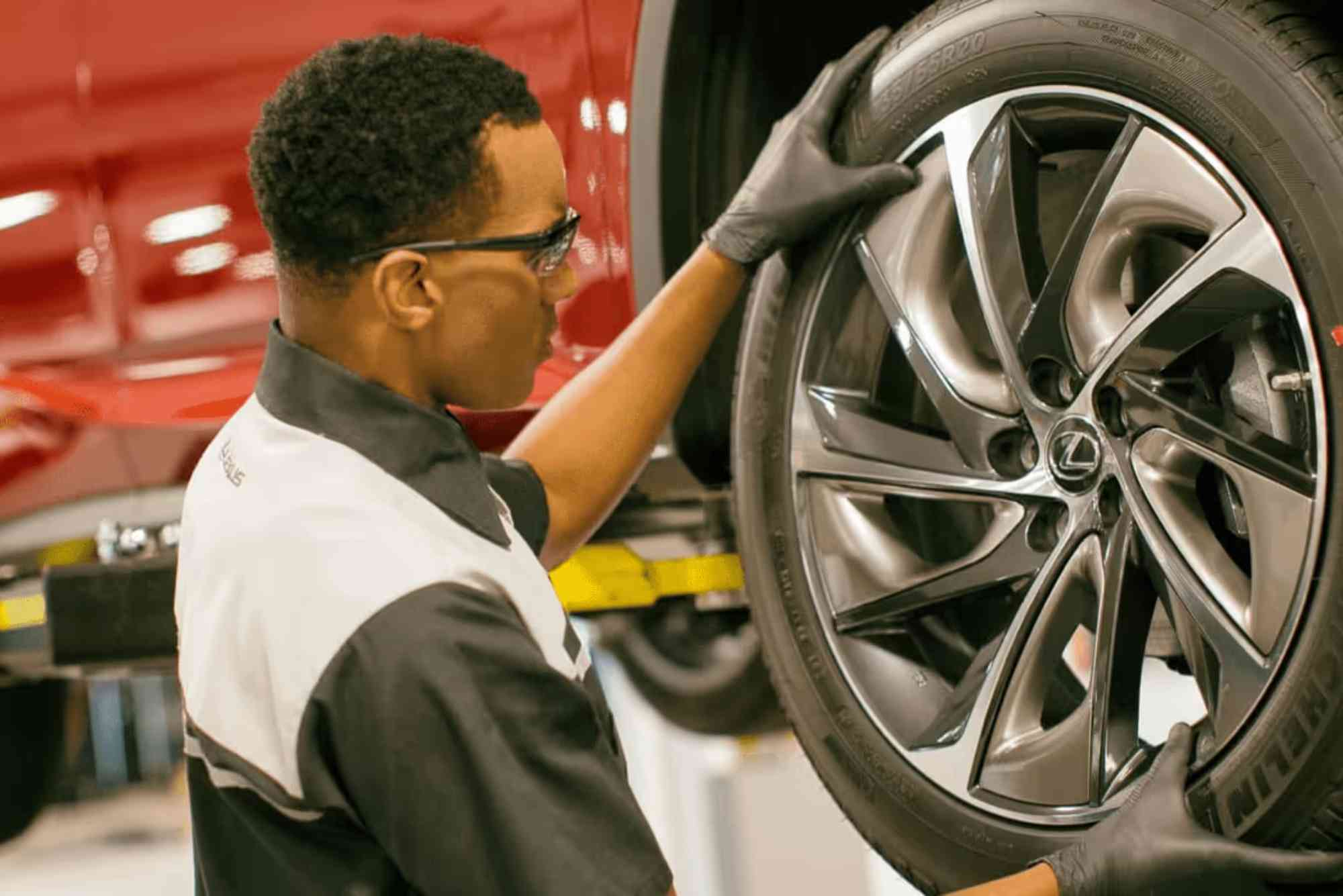
Rotating your tires is one of the simplest yet most essential parts of vehicle maintenance. It ensures even tire wear, prolongs tire life, and improves handling. Yet many drivers feel alarmed when they notice their car shaking after tire rotation. If you’ve experienced vibrations or shuddering after this routine service, you’re not alone. Understanding why this happens and how to address it can help you drive safely and with peace of mind.
Understanding Tire Rotation and Why It Matters
Tire rotation means moving tires from one position to another—front to back or side to side—to even out tread wear. Front tires typically wear faster because they handle steering, braking, and more weight during acceleration. By rotating them at regular intervals, usually every 5,000 to 7,500 miles, you balance wear and extend tire life.
When performed correctly, tire rotation should not cause noticeable changes in how your car drives. But if something goes wrong, vibrations or shaking can emerge. Recognizing the root cause is the first step toward fixing it.
Why Cars Shake After Tire Rotation
Feeling your car shaking after tire rotation does not necessarily mean something catastrophic has happened. In most cases, it signals a minor issue related to the tires, wheels, or installation. A thorough inspection can identify and resolve the problem quickly.
Uneven Tire Wear
If your tires have uneven wear before rotation, moving them to new positions can amplify vibrations. For example, a worn inner edge on a rear tire might be barely noticeable at the back but much more obvious when placed at the front. The steering wheel may then vibrate at certain speeds.
Improper Wheel Balancing
Wheel balancing ensures weight is evenly distributed around each tire. When tires are rotated, the balance can shift. If they weren’t rebalanced after rotation—or if a wheel weight fell off—vibrations are almost inevitable. This is one of the most common reasons drivers report a car shaking after tire rotation.
Incorrect Tire Pressure
Tires should be inflated to the manufacturer’s recommended pressure. During rotation, technicians sometimes forget to check pressures or mix them up between front and rear. Overinflated or underinflated tires can change handling, cause uneven wear, and lead to a rough ride.
Suspension or Alignment Issues
Rotating tires can reveal existing problems with your suspension or alignment. If your car’s wheels are out of alignment, vibrations may feel worse once the tire positions change. Similarly, worn suspension components like struts, ball joints, or control arm bushings can magnify shaking after rotation.
Lug Nuts Not Torqued Correctly
Lug nuts must be tightened to specific torque values. If they’re too loose or too tight, vibrations can occur and, in rare cases, create a safety hazard. Always ensure a torque wrench is used according to manufacturer specifications.
Tire Defects or Internal Damage
Sometimes, a tire may have internal damage—such as a separated belt or a hidden puncture—that only becomes apparent after rotation. If you feel rhythmic thumping or notice uneven tire bulges, stop driving and have the tire inspected immediately.
How to Fix Car Shaking After Tire Rotation
Once you know the potential causes, the next step is addressing them. In many cases, the solution is straightforward.
Rebalance the Wheels
If your car begins shaking after a tire rotation, the first thing to do is check the balance. A shop can place each wheel on a balancing machine and add small weights to eliminate vibrations. Even slight imbalances can create noticeable shaking at highway speeds.
Inspect Tire Condition
Examine each tire carefully for uneven tread wear, bulges, cracks, or embedded objects. Uneven wear may require alignment correction, while internal tire damage could mean replacement. Rotating damaged tires to a more noticeable position often brings the problem to light.
Check Tire Pressure
Use a reliable gauge to ensure all four tires match the recommended pressures listed in your owner’s manual or on the door-jamb sticker. Adjust as needed and recheck after a few days. Proper inflation can dramatically improve ride comfort and fuel efficiency.
Perform an Alignment Check
If vibrations persist, schedule a wheel alignment. Correcting camber, toe, and caster angles restores even tire contact with the road and improves steering response. Many shops offer alignment checks for free or a small fee.
Inspect the Suspension
Look for worn suspension parts—struts, shocks, ball joints, and bushings. A mechanic can test these components for play or leaks. Replacing worn parts can stop vibrations and improve ride quality.
Retorque the Lug Nuts
If you had the rotation done at a shop, return and ask them to verify the lug nut torque. It’s a quick process and could immediately solve the shaking issue if the nuts were unevenly tightened.
Preventing Car Shaking After Future Tire Rotations
The good news is that most causes of post-rotation vibrations are preventable. By taking a few proactive steps, you can ensure smoother rides after every service.
Request Balancing with Every Rotation
Whenever you rotate your tires, ask the shop to rebalance them at the same time. This is usually a minor extra charge and can save you the inconvenience of returning later to fix vibrations.
Maintain Regular Tire Maintenance
Check your tire pressures monthly and before long trips. Keep up with rotations every 5,000–7,500 miles and inspect for uneven wear. Regular maintenance prevents many problems before they arise.
Address Alignment Early
If your car pulls to one side, the steering wheel sits off-center, or you notice uneven tread wear, schedule an alignment. Correcting alignment early saves tires and improves handling.
Inspect Tires Before Rotation
Look over your tires yourself before having them rotated. Note any unusual wear patterns or damage. Pointing these out to your mechanic can help them diagnose and address issues immediately.
When to Seek Professional Help
If your car is shaking after tire rotation despite your checks, it’s time to see a trusted mechanic. Persistent vibrations can signal deeper problems such as bent wheels, failing wheel bearings, or driveline issues. Ignoring these warning signs can lead to costly repairs or safety risks. A qualified technician can run diagnostic tests to pinpoint the issue quickly.
FAQ: Car Shaking After Tire Rotation
Why does my car shake more at higher speeds after tire rotation?
Highway speeds magnify even slight imbalances in your tires or wheels. If your car shakes more at higher speeds, it often indicates a balancing issue or uneven wear now positioned on the front axle.
Is it normal for a car to shake slightly after a tire rotation?
Some minor vibration can occur briefly as the tires settle into their new positions, but it should disappear quickly. Persistent shaking means something else is wrong and needs attention.
How soon after a tire rotation should vibrations stop?
If your car feels different immediately after rotation, it may settle within a few miles. However, if vibrations persist beyond a day or two of normal driving, have the tires and wheels checked.
Can rotating tires affect wheel alignment?
Rotating tires does not change wheel alignment, but it can make preexisting alignment problems more obvious. If vibrations or pulling appear after rotation, an alignment check is wise.
Do I need an alignment or just a balance after feeling vibrations?
Start with balancing, since it’s the most common cause of vibrations. If balancing doesn’t solve the issue, then proceed with an alignment check and inspect suspension components.
Smooth Rides Start With Proper Maintenance
Noticing your car shaking after tire rotation can be unsettling, but it’s usually a solvable problem. Most causes—from improper balancing to uneven wear—are minor and easy to fix. By checking your tires, balancing them regularly, and maintaining proper alignment, you can ensure a safe, smooth driving experience.