Class 3 Oil Leak: What It Is and How to Fix It
Oil leaks are a common issue in vehicles, but not all leaks are the same. Among the classifications, a class 3 oil leak is particularly concerning due to its potential impact on engine performance and safety. Understanding what a class 3 oil leak is, how it occurs, and the methods to address it is crucial for every vehicle owner. This guide will explore the nature of class 3 oil leaks, common causes, warning signs, and practical solutions to fix them effectively.
Understanding Class 3 Oil Leak
What Defines a Class 3 Oil Leak
A class 3 oil leak is considered a serious leak that usually produces visible oil drops under the vehicle or causes continuous dripping. Unlike minor leaks that may be manageable for a while, class 3 leaks demand immediate attention. They can compromise engine lubrication, reduce efficiency, and in severe cases, lead to engine damage or fire hazards. These leaks are often categorized based on their volume, frequency, and visibility. A class 3 leak typically drips at a noticeable rate and is often detected during routine inspections or through oil monitoring on driveways and garages.
Why Class 3 Leaks Are Dangerous
The main concern with a class 3 oil leak is the risk of engine damage. Engines rely on oil to reduce friction, cool components, and maintain overall performance. When oil escapes at a high rate, it can quickly drop below safe levels. This may cause overheating, increased wear on engine parts, and ultimately, costly repairs. Additionally, oil leaks can create environmental hazards and pose a fire risk if it comes into contact with hot engine surfaces. Recognizing a class 3 oil leak early helps prevent these risks.
Common Causes of Class 3 Oil Leaks
Worn Gaskets and Seals
Gaskets and seals form critical barriers that prevent oil from escaping the engine. Over time, heat cycles, friction, and exposure to oil contaminants can degrade these components. A worn gasket or seal can allow significant amounts of oil to escape, leading to a class 3 leak. Common areas include the valve cover gasket, oil pan gasket, and rear main seal.
Damaged Oil Pan
The oil pan sits at the bottom of the engine and collects oil for circulation. Hitting road debris or potholes can dent or crack the oil pan, creating a substantial leak. Even minor damage can escalate if not addressed promptly.
Faulty Oil Filter Installation
An improperly installed or damaged oil filter can cause oil to seep out at a high rate. Over-tightening, cross-threading, or failing to replace the gasket can result in a class 3 leak. Regular filter inspections are essential to prevent this issue.
Worn or Cracked Engine Components
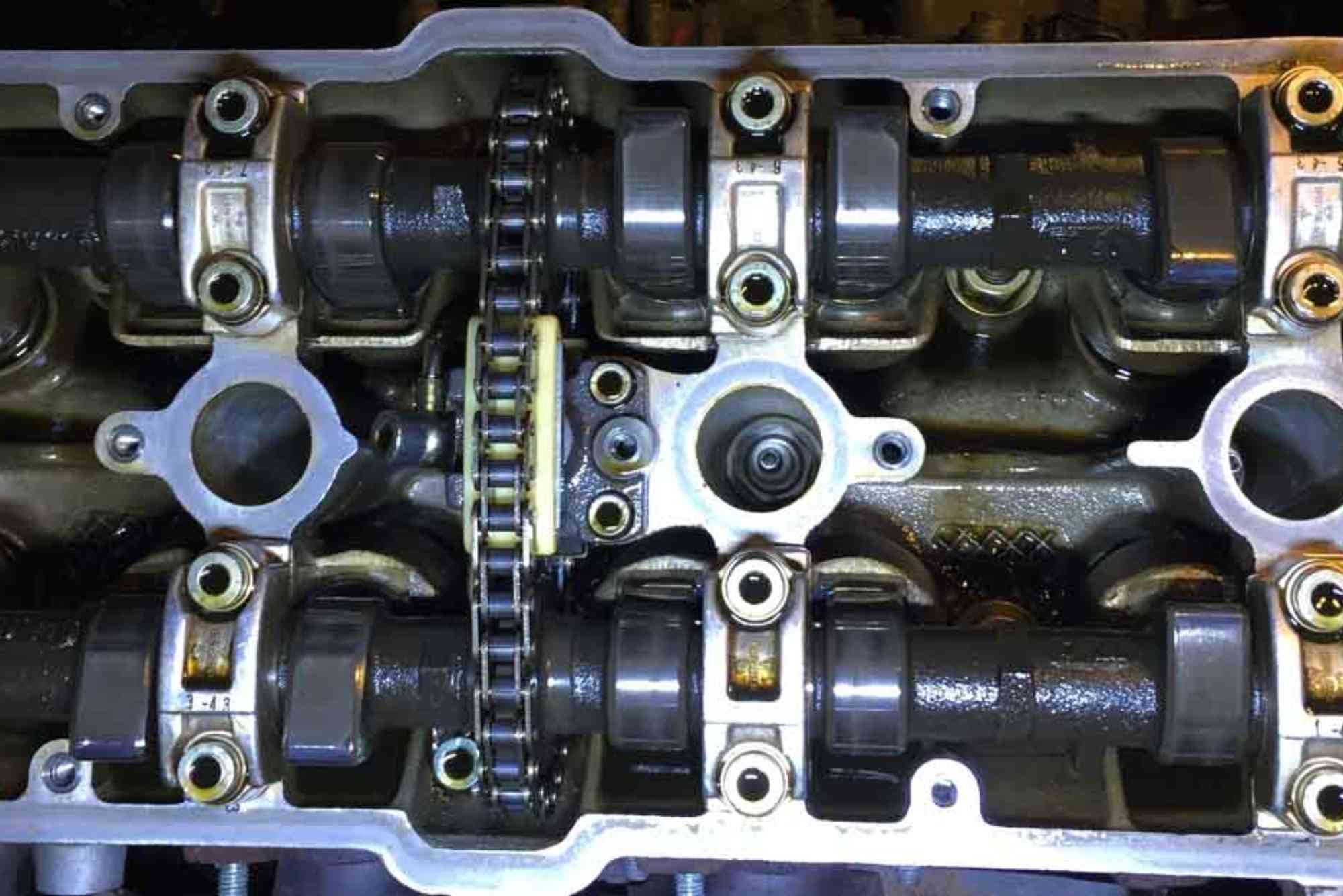
As engines age, cracks may develop in critical components like the cylinder head, valve cover, or timing cover. Oil escaping through these cracks can accumulate and create a visible leak underneath the vehicle. Detecting these issues early often requires professional inspection.
High Oil Pressure
Excessive oil pressure can force oil through seals and gaskets not designed to handle the strain. This condition may occur due to a malfunctioning oil pump or clogged oil passages. High-pressure leaks often present as sudden, heavy drips and are a classic sign of a class 3 oil leak.
Signs You Have a Class 3 Oil Leak
Visible Oil Drips
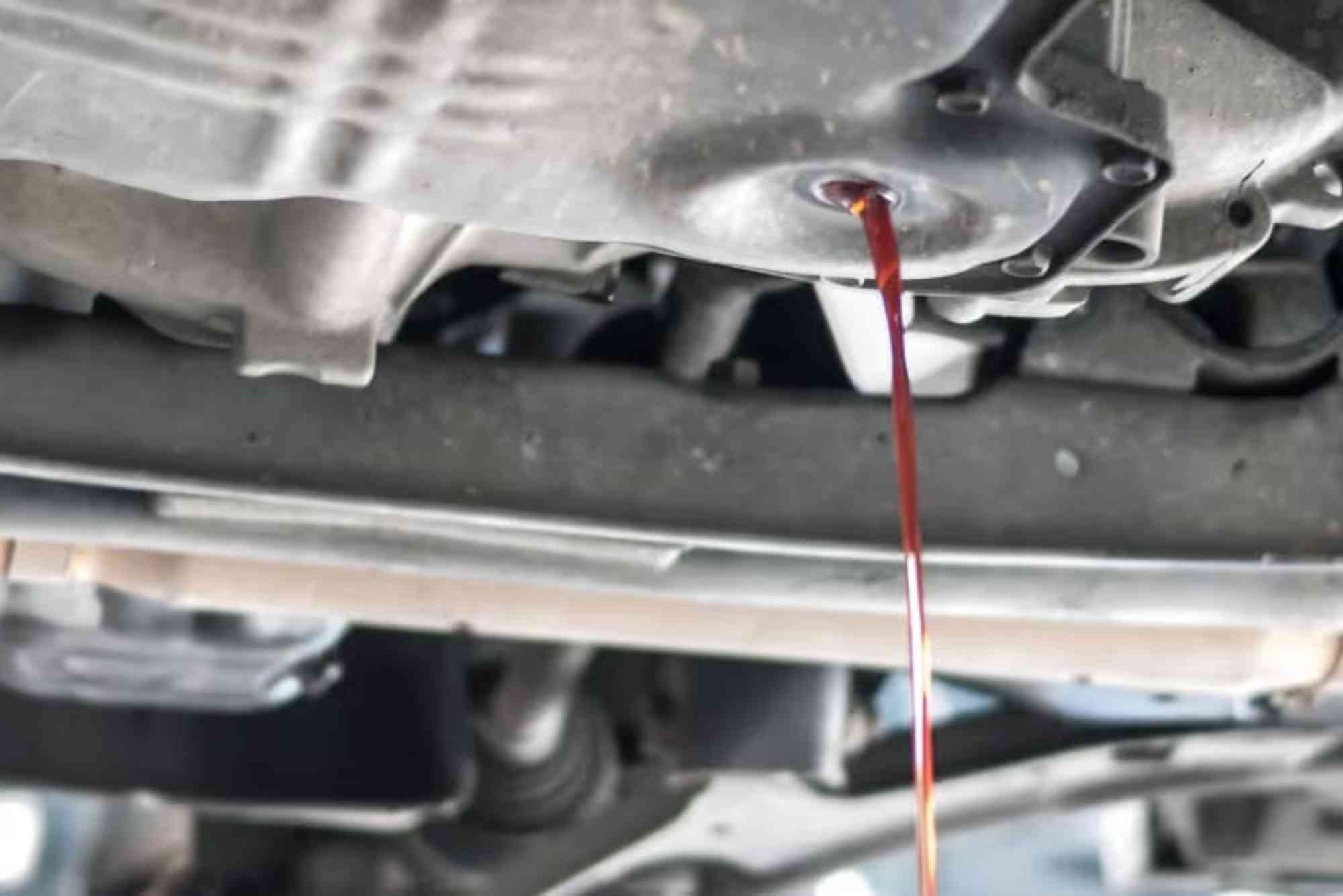
The most obvious symptom of a class 3 oil leak is visible oil under the vehicle. The spots are typically larger and more frequent than minor leaks. They may appear after driving or even while the vehicle is parked.
Low Oil Levels
Frequent drops in oil levels between fills indicate that oil is escaping rapidly. Monitoring oil levels with a dipstick can help catch a class 3 leak early.
Smoke from the Engine Bay
Oil leaking onto hot engine components can create smoke. This is a warning sign of a severe leak and should not be ignored, as it may indicate oil dripping onto the exhaust manifold.
Engine Performance Issues
A lack of adequate oil can cause the engine to run hotter, make unusual noises, or lose power. If these symptoms accompany visible oil leaks, it is a clear indication of a class 3 oil leak.
Warning Lights
Modern vehicles are equipped with oil pressure and check engine lights. These lights may illuminate when oil levels drop too low due to a severe leak. Ignoring these warnings can lead to catastrophic engine failure.
How to Fix a Class 3 Oil Leak
Inspect and Identify the Source
Before attempting any repairs, it is essential to locate the source of the leak. Cleaning the engine bay and using UV dye in the oil can help trace the oil back to its origin. Proper identification ensures that you address the root cause rather than just the symptoms.
Replace Worn Gaskets and Seals
Once the source is identified, replacing worn gaskets and seals is a standard fix. Professional mechanics often recommend using high-quality gaskets and sealants designed for your vehicle model. This solution is effective for leaks around valve covers, oil pans, and rear main seals.
Repair or Replace the Oil Pan
If the oil pan is damaged, it may need to be repaired or replaced. Small dents can sometimes be sealed, but cracks usually require a full replacement. Installing a new pan involves draining the oil, removing the old pan, cleaning the mounting surface, and attaching the new pan with a gasket.
Properly Install or Replace the Oil Filter
Checking the oil filter installation is a simple yet crucial step. Ensure that the filter is correctly aligned, the gasket is lubricated, and the filter is tightened to the manufacturer’s specifications. This often resolves leaks that appear near the filter.
Address High Oil Pressure
If high oil pressure causes the leak, the underlying cause must be corrected. This may involve replacing the oil pump, clearing clogged passages, or adjusting the pressure relief valve. A professional inspection is recommended to prevent recurrent leaks.
Use Oil Additives Cautiously
Some oil additives claim to seal minor leaks, but they are generally not effective for class 3 leaks. Relying solely on additives may mask the problem without truly repairing the leak, risking further damage.
Regular Maintenance and Monitoring
After repairs, regular oil checks are vital to ensure the leak has been fixed. Monitoring oil levels and inspecting the engine for new leaks can prevent future problems. Scheduled maintenance also helps detect early signs of gasket wear, seal degradation, and high oil pressure.
Preventing Class 3 Oil Leaks
Preventing severe oil leaks is possible with proactive vehicle care. Avoiding engine overheating, using high-quality oil and filters, and following recommended service intervals significantly reduce the risk. Driving cautiously on rough roads and addressing minor leaks promptly also prevents them from escalating into class 3 leaks.
A class 3 oil leak is more than a nuisance; it is a serious issue that threatens engine performance and safety. By understanding its causes, recognizing the signs, and addressing the problem promptly, vehicle owners can prevent costly repairs and ensure their vehicles remain reliable. Regular maintenance, professional inspections, and timely repairs are key to avoiding severe oil leaks. If you notice oil pooling under your car, smoke from the engine, or frequent drops in oil levels, do not delay—consult a professional mechanic to fix the class 3 oil leak immediately. Taking swift action protects both your engine and your safety.
FAQs
What is a class 3 oil leak?
A class 3 oil leak is a significant leak that produces visible oil drops or continuous dripping, often requiring immediate repair.
Can I drive with a class 3 oil leak?
It is not recommended. Driving with a severe oil leak can damage the engine and create safety hazards.
How much does it cost to fix a class 3 oil leak?
Repair costs vary depending on the source, ranging from minor gasket replacements to full oil pan or seal repairs.
How do I prevent class 3 oil leaks?
Regular maintenance, high-quality oil and filters, and addressing minor leaks early can help prevent severe leaks.
What happens if a class 3 oil leak is ignored?
Ignoring a class 3 leak can lead to low oil levels, engine overheating, component damage, and in extreme cases, engine failure or fire.