
Introduction
When shopping for a Honda CRV, one of the first questions buyers often ask is about the CRV Honda engine size. The engine is the heart of any vehicle, and knowing what lies under the hood helps drivers understand performance, fuel efficiency, and long-term reliability. Over the years, Honda has offered several engine options in the CRV lineup, ranging from naturally aspirated engines to turbocharged variants and even hybrid configurations. Understanding these engine sizes is not just about numbers; it’s about how they translate into real-world driving experiences. Whether you are considering buying a new Honda CRV or simply curious about what makes it tick, this guide breaks down everything you need to know about engine sizes, power, and performance.
CRV Honda Engine Size Across Generations
The Honda CRV has been on the road since the mid-1990s, and its evolution tells a story of efficiency, technology, and driver-focused design. Each generation has introduced updated engines tailored to changing market demands, stricter emissions standards, and the push for better fuel economy.
First and Second Generations
In its early years, the CRV relied on simple yet reliable four-cylinder engines. The engine size ranged around 2.0 to 2.4 liters, with a focus on balance rather than sheer power. These models became popular among families and commuters who valued dependability.
Third Generation
The third generation saw the CRV engine grow slightly in size, with a standard 2.4-liter four-cylinder engine. At this point, Honda emphasized smoother handling and better highway performance, keeping the CRV competitive in the growing crossover SUV market.
Fourth Generation
By the time the fourth generation arrived, the 2.4-liter engine remained central, but Honda began experimenting with more efficient technology. The focus shifted toward reducing fuel consumption without sacrificing capability.
Fifth Generation
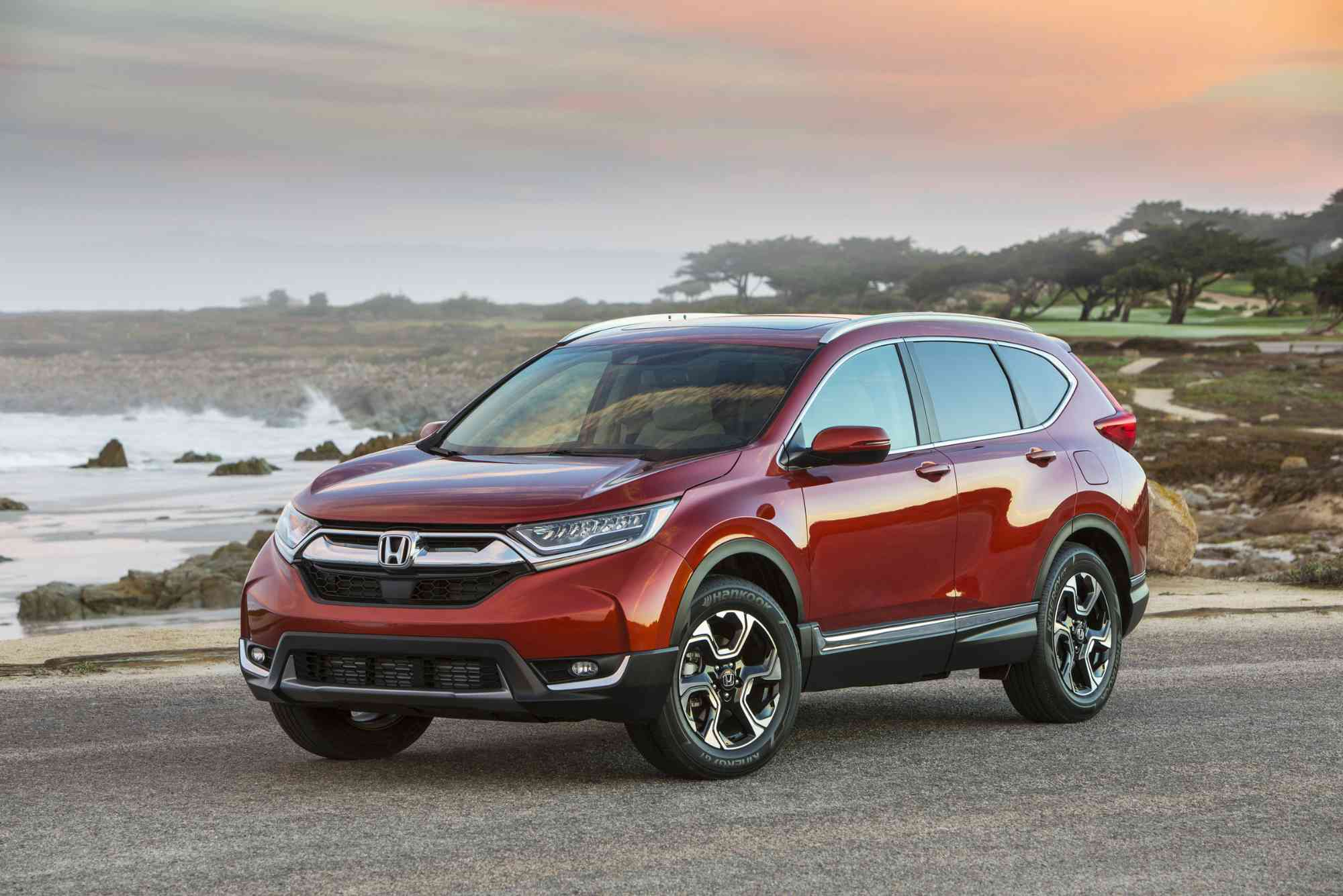
The fifth-generation Honda CRV introduced a major change with the addition of a 1.5-liter turbocharged engine. This was a significant moment in the CRV’s history, as Honda moved toward smaller displacement engines equipped with turbocharging to deliver both power and fuel efficiency. Despite the smaller CRV Honda engine size, the turbocharged setup produced comparable or even better performance than the larger naturally aspirated engines.
Sixth Generation
The most recent Honda CRV models continue to refine the turbocharged 1.5-liter engine while expanding hybrid offerings. The hybrid versions use a 2.0-liter engine paired with electric motors, providing both strong performance and impressive fuel economy. For eco-conscious buyers, the hybrid CRV is an excellent choice.
Current CRV Honda Engine Size Options
Understanding what’s available in today’s market is crucial if you are considering a purchase. Honda currently offers two main powertrains for the CRV.
1.5-Liter Turbocharged Engine
The 1.5-liter turbocharged four-cylinder engine has become the standard offering for many CRV trims. Despite its modest size, this engine generates around 190 horsepower, making it more than capable of handling daily driving, highway cruising, and light towing needs. The turbocharged design maximizes efficiency while maintaining smooth performance.
2.0-Liter Hybrid Engine
The hybrid CRV features a 2.0-liter four-cylinder engine paired with electric motors. Together, the system produces around 204 horsepower and delivers excellent fuel efficiency. This setup appeals to drivers who want the best of both worlds: low emissions and responsive performance. The hybrid’s engine size may seem larger than the turbo version, but the real magic lies in the seamless collaboration between the gasoline engine and electric power.
Why CRV Honda Engine Size Matters
Engine size is more than just a technical specification—it affects nearly every aspect of the driving experience.
Performance
A larger displacement engine often means more power, but thanks to turbocharging and hybrid technology, smaller engines can perform just as well. The 1.5-liter turbo engine proves that a compact engine size can still deliver confidence on the road.
Fuel Efficiency
Fuel economy is a major reason Honda opted for smaller turbocharged engines and hybrid powertrains. The smaller CRV Honda engine size contributes to lower fuel consumption, which saves drivers money in the long run and reduces environmental impact.
Reliability
Honda has built its reputation on reliable engines, regardless of size. Both the turbocharged 1.5-liter and the hybrid’s 2.0-liter engine are designed for durability and long-term use. Regular maintenance ensures these engines run smoothly for years.
Environmental Considerations
Stricter emissions regulations have pushed automakers to innovate. Smaller engines and hybrid options allow the Honda CRV to remain competitive while meeting eco-friendly standards.
Comparing CRV Honda Engine Size With Competitors
The compact SUV market is filled with strong competitors, from Toyota RAV4 to Mazda CX-5 and Nissan Rogue. Many of these rivals also offer small turbocharged engines or hybrid setups. However, the CRV’s balance between efficiency, reliability, and performance often gives it an edge. While some SUVs rely on larger engines for power, Honda proves that smart engineering can achieve the same results with smaller displacement.
Real-World Driving Impressions
Numbers on paper only tell part of the story. What drivers really care about is how the CRV performs in daily life.
With the 1.5-liter turbo engine, acceleration feels responsive, and the power delivery is smooth. It’s not a sports car, but it easily handles merging onto highways or carrying passengers and cargo. The hybrid engine, on the other hand, shines in city driving, where the electric motor can take over at low speeds, making the drive quiet and efficient.
Maintenance and Longevity
A common question among buyers is whether a smaller CRV Honda engine size affects longevity. The answer is no—when properly maintained, these engines can last for hundreds of thousands of miles. Honda engineering emphasizes durability, and the widespread use of the 1.5-liter turbo engine across different models shows confidence in its reliability.
Oil changes, timely servicing, and using the right fuel are key to keeping your CRV engine healthy. For hybrid owners, battery and motor systems require additional checks, but Honda’s hybrid technology has proven to be robust.
Future of Honda CRV Engines
The future of the CRV lies in further electrification. With global markets shifting toward electric and hybrid vehicles, Honda is investing heavily in next-generation powertrains. Future CRVs are expected to feature advanced hybrid systems and possibly all-electric versions. While engine size may continue to shrink, performance and efficiency will only improve.
FAQs
What size engine does the Honda CRV have?
The current Honda CRV comes with a 1.5-liter turbocharged engine or a 2.0-liter hybrid powertrain, depending on the trim.
Is the 1.5-liter CRV engine powerful enough?
Yes, the 1.5-liter turbo engine produces around 190 horsepower, making it capable for everyday driving and highway travel.
Which CRV engine is better: turbo or hybrid?
It depends on your needs. The turbo engine balances power and efficiency, while the hybrid offers better fuel economy and eco-friendliness.
Do smaller engines mean less reliability?
Not with Honda. Both the 1.5-liter and 2.0-liter engines are built for longevity when properly maintained.
Will Honda CRV get an electric engine?
Honda is moving toward electrification, and future CRVs are expected to include hybrid and all-electric options.
The CRV Honda engine size has evolved to meet the demands of modern drivers, balancing performance, fuel economy, and reliability. From early 2.4-liter engines to today’s 1.5-liter turbo and 2.0-liter hybrid, Honda continues to innovate under the hood. For buyers, this means more choices tailored to different lifestyles, whether you prioritize fuel efficiency, hybrid technology, or traditional turbocharged power.