Introduction
A well-maintained engine is the heart of any vehicle, but diagnosing hidden problems inside the combustion chamber often requires more than routine checks. One diagnostic method mechanics rely on is the cylinder leak down test cold engine. Unlike a compression test, which measures pressure, a leak down test measures the percentage of air leaking from a cylinder. Conducting this test on a cold engine provides insights into wear, sealing problems, and potential failures before they escalate into expensive repairs.
Understanding how a cylinder leak down test works and why performing it on a cold engine matters can save both money and time. In this guide, we will break down the process, the results you can expect, and how those results influence your engine’s health and performance.
What Is a Cylinder Leak Down Test?
A cylinder leak down test is a diagnostic procedure that uses compressed air to evaluate how well each cylinder in an internal combustion engine seals. Instead of measuring how much pressure the cylinder can generate, it measures how much pressure it can hold. By introducing air into the cylinder at top dead center (TDC) of the compression stroke, the mechanic can detect leaks and trace them to specific components such as valves, piston rings, or the head gasket.
When performed on a cold engine, the test evaluates the cylinder’s sealing ability without the expansion effects of heat. This often reveals issues that might temporarily disappear when the engine is warm, such as minor valve leaks or worn piston rings.
Why Perform the Test on a Cold Engine?
Engines expand when heated, and this expansion can temporarily mask small leaks. Testing on a cold engine ensures you see the cylinder’s condition in its most natural, unaltered state. If there is wear or leakage when cold, the test will expose it.
Performing the test cold also provides several advantages. First, it helps identify issues that affect cold starts, which are common complaints among car owners. Second, it removes the risk of working around hot parts, which can be dangerous during inspection. Finally, cold testing reflects real-world conditions, since many problems like rough idle or misfiring occur when the engine is not warmed up.
How the Cylinder Leak Down Test Cold Engine Is Performed
To perform the test, a leak down tester is connected to an air compressor and then attached to the spark plug hole of the cylinder being tested. The piston must be positioned at TDC on the compression stroke to ensure both valves are closed. Once air is introduced, the gauge shows the percentage of leakage, while the mechanic listens for where the air escapes.
Air hissing from the intake indicates a leaking intake valve. Air from the exhaust pipe points to an exhaust valve leak. Air bubbling in the radiator signals a head gasket issue or a crack in the cylinder head. Air escaping through the oil filler cap or dipstick tube suggests worn piston rings.
The results are expressed as a percentage. A healthy cylinder typically has less than 10% leakage. Anything above 20% signals significant wear or damage that requires attention.
What the Results Mean for Engine Health
The leak down test provides valuable insight into the condition of an engine. Even if compression test results look normal, a leak down test can uncover hidden weaknesses. On a cold engine, these weaknesses are easier to identify, as there is no thermal expansion sealing them temporarily.
If the results show minimal leakage, it confirms that the engine’s cylinders, valves, and gaskets are in good condition. Moderate leakage often points to early wear, which may not require immediate repair but should be monitored. Severe leakage indicates major problems that can reduce power, efficiency, and reliability.
Ultimately, the test tells you whether the engine is holding compression properly and where air is escaping, guiding targeted repairs rather than expensive guesswork.
Benefits of a Cylinder Leak Down Test Cold Engine
A cylinder leak down test offers many benefits to both car owners and mechanics. It provides a clear picture of engine health, allows for early detection of potential problems, and helps avoid unnecessary part replacements. For example, if you notice poor fuel economy or reduced power, a leak down test can confirm whether the issue stems from cylinder wear or from external components like sensors and fuel injectors.
Testing on a cold engine also helps with diagnosing problems like hard cold starts, misfires on startup, or white smoke at ignition. These issues often originate from sealing failures that become less noticeable once the engine warms up. By diagnosing them early, you can address the root cause and prevent long-term damage.
Common Issues Revealed by the Test
When performing a cylinder leak down test cold engine, several issues often come to light. Worn piston rings are among the most common findings. Over time, piston rings lose their ability to create a tight seal, leading to compression loss and oil consumption. Another frequent issue is leaking valves. Carbon buildup, burned valve seats, or bent valves can prevent proper sealing, reducing engine efficiency.
Head gasket leaks are another critical problem the test can reveal. These leaks allow coolant to enter the combustion chamber, causing white exhaust smoke, overheating, and eventual engine failure if ignored. Less commonly, cracks in the cylinder head or block may also surface during the test.
By pinpointing the exact issue, the leak down test eliminates guesswork and ensures repairs target the real problem.
Cylinder Leak Down Test vs. Compression Test
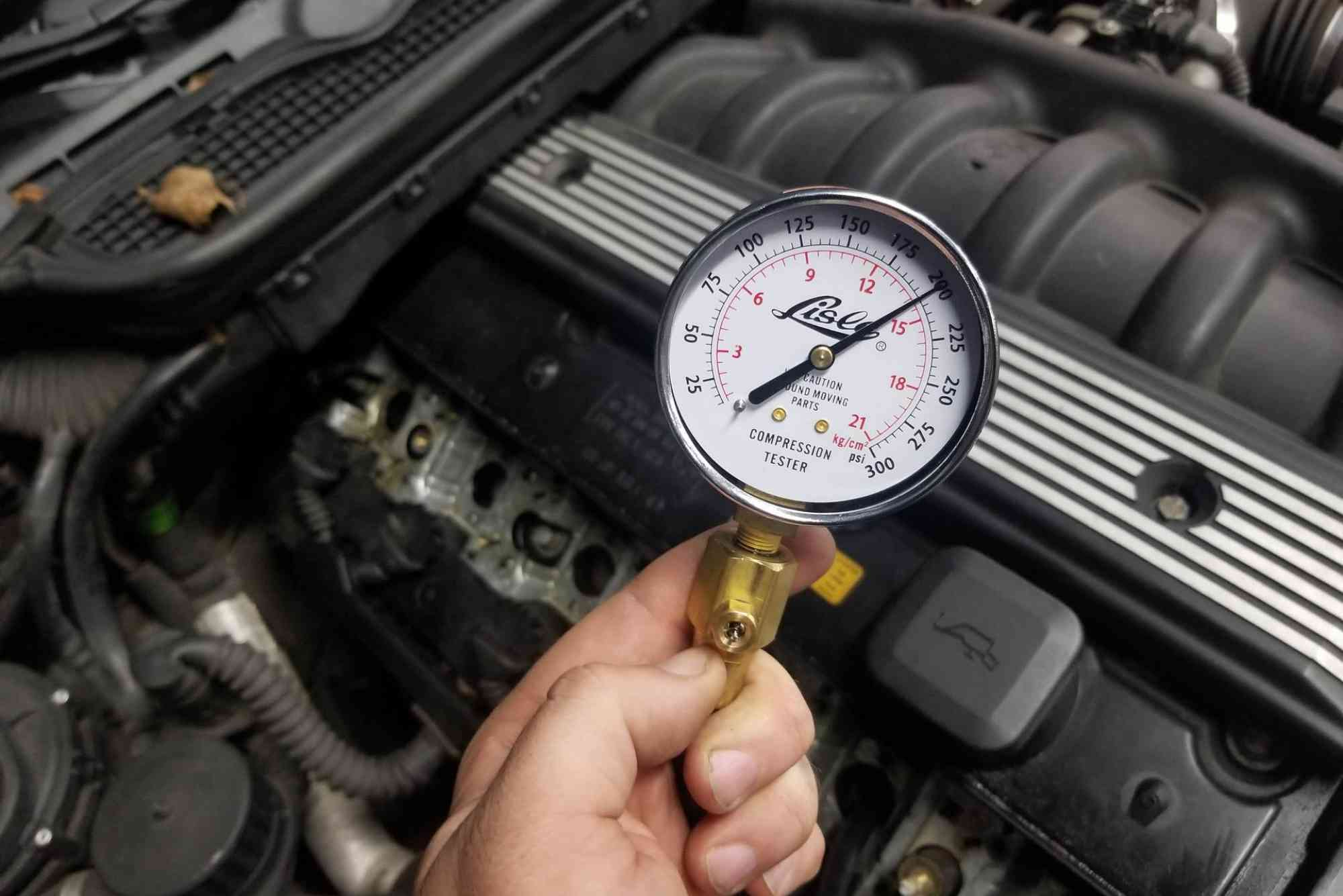
Although both tests evaluate engine health, they serve different purposes. A compression test measures the pressure generated by the piston as it moves upward, while a leak down test measures the ability of the cylinder to hold pressure.
A compression test can identify low compression, but it cannot explain why the compression is low. The leak down test, especially on a cold engine, provides that answer by pinpointing whether the loss comes from valves, rings, or gaskets. For complete diagnosis, many mechanics perform both tests together.
How Often Should You Perform the Test?
There is no strict rule on how often to perform a cylinder leak down test, but it is generally recommended when you notice symptoms of engine trouble. These include loss of power, poor fuel economy, misfires, oil consumption, or unexplained smoke from the exhaust.
Car enthusiasts and professional tuners also perform the test as part of routine maintenance before major modifications, ensuring the engine can handle added stress. For high-mileage vehicles, testing once every few years can help detect wear before it leads to catastrophic failure.
FAQs
Does a cylinder leak down test have to be done with the engine cold?
No, it can be performed on both hot and cold engines. However, testing cold helps detect issues that only appear when the engine is not warmed up.
What is a good leak down percentage?
Anything under 10% is considered excellent. Between 10% and 20% is acceptable but suggests minor wear. Above 20% requires repair.
Can a leak down test detect a blown head gasket?
Yes, bubbling in the radiator or coolant overflow tank during the test usually indicates a blown head gasket or a cracked head.
Is a compression test better than a leak down test?
Neither is “better.” A compression test shows overall pressure, while a leak down test pinpoints where the pressure is lost. Ideally, both tests should be performed for complete diagnosis.
Can you drive with high leak down percentages?
You can, but it is risky. High leakage reduces performance and efficiency and can cause further damage if left untreated.
A cylinder leak down test cold engine is one of the most effective diagnostic tools available for understanding the health of your vehicle’s engine. By detecting where and how much air escapes, it reveals problems that could otherwise remain hidden until costly damage occurs. Performing the test cold highlights real-world issues that affect everyday driving, especially cold starts.