Introduction
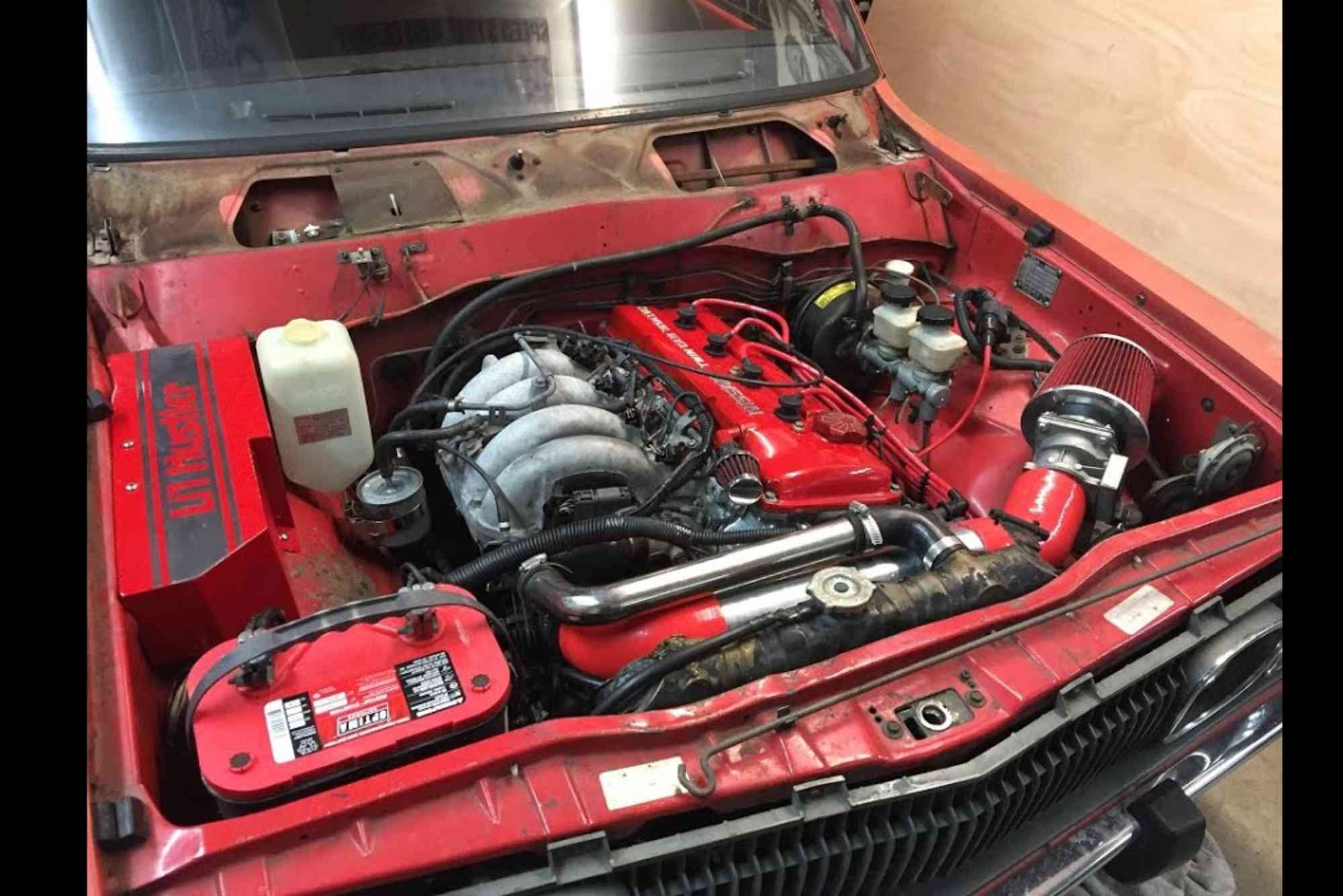
The Datsun 620 is more than just a compact pickup from the 1970s. It represents a slice of automotive history, a classic Japanese truck that blended reliability, simplicity, and rugged charm. Many enthusiasts love restoring and customizing this vehicle, and one of the most popular upgrades is the datsun 620 engine swap. Swapping the original motor for a modern or more powerful one transforms the driving experience, improving performance while preserving the classic look. If you are considering such a project, this guide will walk you through the essentials, from choosing the right engine to understanding the challenges and benefits of the swap.
Why Consider a Datsun 620 Engine Swap
The original Datsun 620 came with engines like the L16, L18, and later the L20B. These four-cylinder motors were known for durability, but by modern standards they lack power and efficiency. Today, traffic demands, highway speeds, and even expectations for smoother driving push owners to seek better-performing engines. An engine swap offers not only more horsepower but also improved fuel economy, parts availability, and reliability. For many classic truck enthusiasts, the swap is not just about speed but about making the Datsun 620 more usable as a daily driver or show truck.
Popular Engine Options for the Datsun 620
One of the first questions every enthusiast asks is which engine fits best into the Datsun 620 bay. The answer depends on budget, skill level, and desired performance.
Nissan KA24DE
Perhaps the most common choice, the KA24DE is a four-cylinder engine from the Nissan 240SX and Hardbody trucks. It offers a solid balance of power and reliability, usually producing around 150 horsepower. The KA24DE fits relatively well in the 620’s engine bay, and aftermarket support is strong. This makes it a go-to option for enthusiasts who want modern performance without overcomplicating the swap.
SR20DET
For those chasing turbocharged excitement, the SR20DET from the Nissan Silvia and other JDM models is a thrilling option. Producing anywhere from 200 to 250 horsepower in stock form, this engine can transform the lightweight Datsun 620 into a pocket rocket. However, it requires more wiring, tuning, and cooling upgrades, which may challenge beginners.
L-Series Upgrades
Some owners prefer staying within the L-series family by upgrading to the L28 from the Datsun 280Z. This swap retains the period-correct feel while giving a noticeable bump in displacement and torque. It appeals to purists who want more performance without straying too far from the truck’s heritage.
Other Modern Options
Beyond Nissan motors, some enthusiasts experiment with swaps like the Toyota 3S-GTE, Honda K-series, or even small displacement V6 engines. These builds are less common, often requiring significant fabrication. While exciting, they are better suited for advanced builders.
Challenges of a Datsun 620 Engine Swap
An engine swap sounds appealing, but it is not without obstacles. Every project has unique challenges depending on the chosen motor and the condition of the truck.
Mounting and Fitment
The Datsun 620’s engine bay is compact. Custom motor mounts, transmission crossmembers, and sometimes firewall modifications may be required. Even with popular swaps like the KA24DE, some welding and fabrication skills are necessary.
Wiring and Electronics
Modern engines come with complex wiring harnesses and electronic control units (ECUs). Integrating these into a 1970s truck takes patience and planning. While aftermarket standalone ECUs simplify tuning, they add to the cost.
Cooling and Exhaust Systems
Upgraded engines produce more heat. A larger radiator, electric fans, and custom exhaust piping are often required. Without these, overheating and performance issues can ruin the swap.
Transmission and Drivetrain
The stock Datsun 620 transmission was designed for lower power outputs. A swap often requires pairing the new engine with a stronger transmission, plus driveshaft modifications and sometimes differential upgrades.
Budget and Time Commitment
Engine swaps are rarely as simple as dropping in a motor and driving away. Costs add up through mounts, wiring, cooling, exhaust, and tuning. Additionally, the project can take weeks or months depending on skill level and available tools.
Benefits of a Datsun 620 Engine Swap
Despite the challenges, the rewards are worth the effort for most enthusiasts.
A modern engine breathes new life into the truck, offering smoother acceleration, better highway cruising, and improved reliability. It also increases the truck’s usability in daily driving or long trips. For show builds, the right swap makes the vehicle stand out at meets, blending classic style with modern power.
Another benefit is long-term parts availability. While original L-series parts are becoming harder to find, engines like the KA24DE have aftermarket support that ensures future maintenance is easier.
Finally, the personal satisfaction of completing a datsun 620 engine swap cannot be overstated. It is a project that blends mechanical skill, creativity, and passion for classic vehicles.
Steps to Planning Your Engine Swap
Before starting, careful planning prevents frustration. Enthusiasts often begin by setting goals—whether the truck is for cruising, racing, or show use. Choosing the right engine comes next, considering horsepower, budget, and compatibility. Gathering all required parts in advance saves delays during installation.
It’s also wise to research others who have completed similar swaps. Online forums, YouTube tutorials, and social media groups dedicated to classic Datsuns provide valuable guidance. Many builders share exact parts lists, wiring diagrams, and mounting solutions that can shorten your learning curve.
Legal and Safety Considerations
In some regions, engine swaps must comply with emissions regulations. Before investing, check your local laws regarding modified vehicles. Safety should also be a top priority. Ensure that brakes, suspension, and steering systems are upgraded to handle the increased power. A fast truck is only fun if it can stop and corner safely.
Common Mistakes to Avoid
New builders often underestimate the complexity of wiring integration, which can stall a project. Another mistake is ignoring cooling requirements, leading to overheating problems. Cutting corners on mounts or driveline alignment also creates long-term reliability issues. Planning and patience are essential.
FAQs
What engines fit in a Datsun 620?
Popular choices include the Nissan KA24DE, SR20DET, and L28. Other swaps are possible but require more fabrication.
Is a KA24DE swap worth it for the Datsun 620?
Yes, it provides a great balance of power, reliability, and parts availability without excessive complexity.
Do I need to upgrade the transmission for an engine swap?
In most cases, yes. The original gearbox was designed for lower power. A stronger transmission ensures long-term durability.
How much does a Datsun 620 engine swap cost?
Costs vary, but a typical KA24DE swap may run from $3,000 to $7,000 depending on parts and labor. More complex swaps can exceed that.
Can I daily drive a swapped Datsun 620?
Absolutely, provided the build is completed properly with attention to reliability and cooling. Many enthusiasts drive their swapped trucks regularly.
The datsun 620 engine swap is more than just a modification—it is a way to breathe new life into a classic pickup while making it more enjoyable for modern driving. Whether you choose a KA24DE for balance, an SR20DET for thrills, or stick with an upgraded L-series for heritage, the swap transforms the truck into something unique. The challenges are real, but so are the rewards. For enthusiasts who value both history and performance, this project delivers the best of both worlds.