
Introduction
A car’s engine is its heart, and just like the human heart, it needs proper care to stay healthy. Over time, dirt, grease, oil residue, and road grime can build up inside and around the engine bay. This accumulation doesn’t just make the engine look dirty; it can also affect performance, fuel efficiency, and even safety. A deep engine clean is more than just cosmetic—it is a crucial step in preventive maintenance. Drivers who invest time in cleaning their engines often extend the lifespan of their vehicles, reduce the risk of mechanical issues, and improve resale value.
Many car owners wonder if cleaning their engine is necessary or if it is purely for aesthetics. The truth is that keeping your engine clean provides both functional and visual benefits. Mechanics can diagnose problems more easily on a clean engine. Leaks become visible sooner, and components run cooler when free of grime. In this guide, we will explore why deep engine cleaning matters, what tools you need, the safest cleaning methods, and common mistakes to avoid. By the end, you’ll know exactly how to perform a deep engine clean the right way and why it should be part of your regular car care routine.
Why a Deep Engine Clean Matters
Engines work under extreme heat and pressure, which causes oil vapor and dust to accumulate quickly. When dirt mixes with fluids, it forms sticky grime that clings to hoses, wiring, and engine parts. Over time, this buildup can trap heat and reduce the efficiency of cooling systems. A dirty engine can also mask serious problems like oil leaks, cracked hoses, or worn gaskets. By performing a deep engine clean, you remove contaminants that interfere with performance and prevent long-term damage.
Another reason engine cleaning is important is safety. Oil and grease buildup can become a fire hazard, especially when combined with high temperatures under the hood. Cleaning reduces that risk. Additionally, if you plan to sell your car, a sparkling engine bay makes a strong impression on buyers, signaling that the vehicle has been well maintained. A small effort in cleaning can translate to a higher resale value.
Preparing for a Deep Engine Clean
Before you begin cleaning, preparation is crucial. Modern vehicles have many electronic components, sensors, and wiring harnesses that need protection. Cover sensitive areas like the alternator, battery terminals, exposed wiring, and air intake with plastic bags or waterproof covers. This prevents water damage during cleaning.
You should also make sure the engine is cool. Spraying water on a hot engine can cause rapid contraction, which might damage metal parts. Ideally, let your car sit for at least an hour after driving before starting the cleaning process. Wear gloves and protective eyewear to keep chemicals and dirt away from your skin and eyes.
Gathering the right supplies ensures a smooth process. You will need a degreaser, a soft brush, microfiber towels, and a low-pressure water source such as a garden hose or spray bottle. Avoid using high-pressure washers as they can force water into delicate components and cause electrical issues.
Step-by-Step Guide to Deep Engine Cleaning
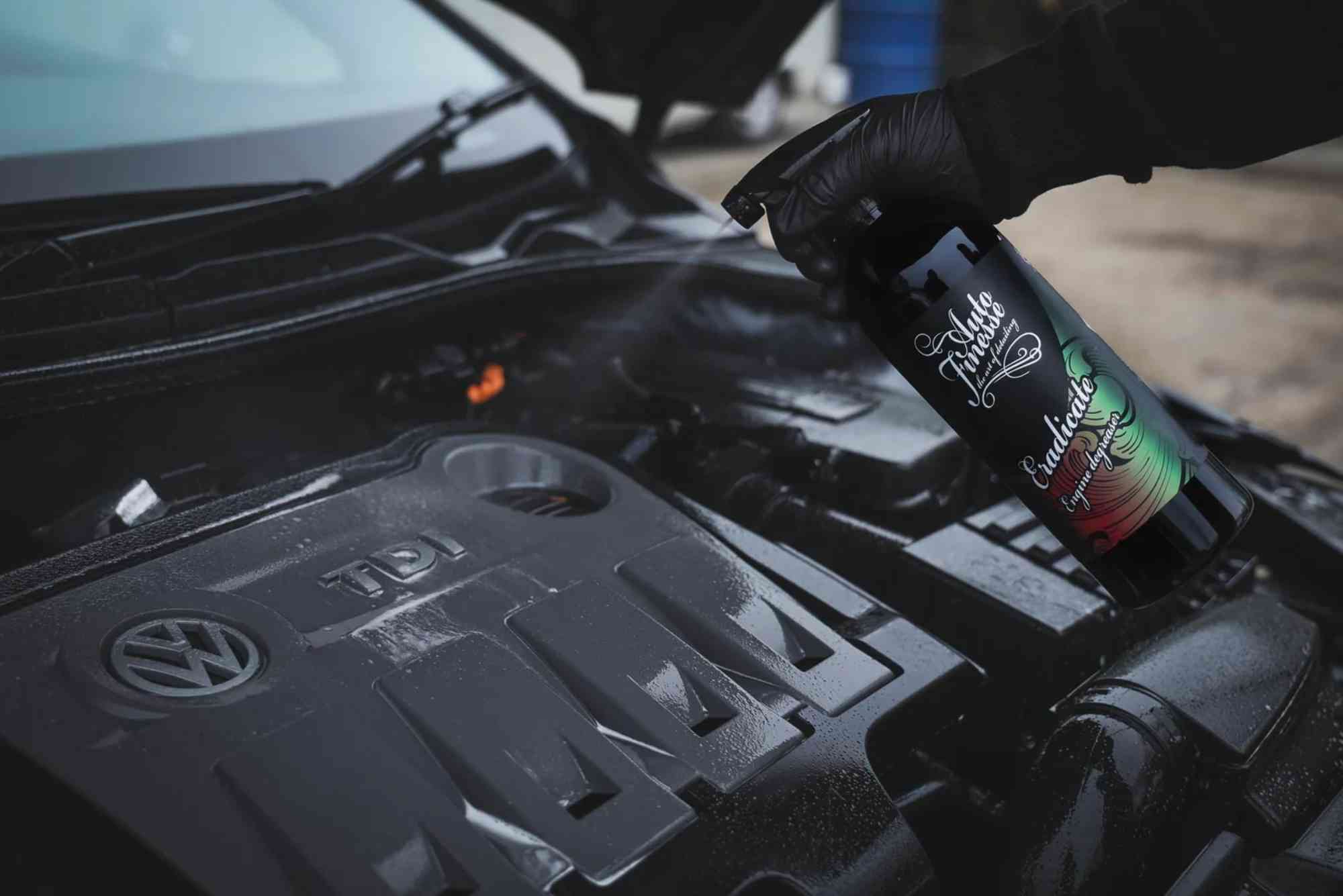
Cleaning an engine might sound intimidating, but with the right method, it is straightforward. Start by removing any loose debris such as leaves, dust, or twigs that have collected near the hood or vents. Compressed air or a vacuum can make this job easier. Once debris is cleared, spray a quality degreaser onto greasy and oily areas. Let it sit for five to ten minutes so it can break down buildup.
Next, use a soft brush to scrub away stubborn dirt. Pay special attention to areas around gaskets, valve covers, and belts, as these spots often accumulate the most grime. Be gentle to avoid damaging hoses or wiring. After scrubbing, rinse the engine with a light spray of water. The goal is to remove loosened dirt without soaking the components. Always work from the back of the engine bay toward the front so that grime washes away cleanly.
Once rinsed, wipe down surfaces with a microfiber towel. Drying is important because lingering moisture can cause corrosion or interfere with electronics. Some enthusiasts use compressed air to blow out water from tight spots. Finally, start the engine for a few minutes. The heat will help evaporate any remaining moisture and ensure that everything runs smoothly.
Benefits of Regular Deep Engine Cleaning
A clean engine operates more efficiently because there is less heat trapped by grime. Reduced heat improves fuel economy and prolongs the lifespan of components like belts and hoses. Cleaning also keeps rubber seals in better condition, reducing the risk of leaks. Mechanics often note that diagnosing engine issues becomes faster on a clean engine, which can save you money on labor costs.
Regular cleaning can also prevent corrosion. Road salt, especially in colder climates, can corrode metal parts if left unattended. By cleaning your engine bay, you remove these harmful substances before they cause lasting damage. The overall aesthetic benefit should not be overlooked either. Opening the hood to reveal a spotless engine bay demonstrates pride in ownership and creates a sense of reliability.
Common Mistakes to Avoid
While a deep engine clean is beneficial, mistakes can cause more harm than good. One of the most common errors is using too much water pressure. High-pressure sprays can force water into connectors and cause electrical shorts. Another mistake is applying harsh chemicals that are not designed for automotive use. These can damage rubber hoses, paint, and even metal.
Some car owners also skip the step of covering sensitive components. This can lead to costly repairs if water seeps into the alternator or fuses. Finally, rushing the drying process is risky. If you do not properly dry the engine, residual moisture may create corrosion or electrical issues. Taking your time and using the right products ensures the process is safe and effective.
DIY vs Professional Deep Engine Cleaning
Many drivers successfully clean their engines at home, but some prefer professional services. Professionals use specialized steam-cleaning tools and products that provide thorough results with minimal risk. They are trained to protect delicate components and know how to deal with heavily soiled engines.
If your engine is extremely dirty, or if you lack the confidence to clean it yourself, professional detailing is a worthwhile investment. However, for regular maintenance, a careful DIY approach is perfectly safe and cost-effective. The key is to follow proper steps and avoid shortcuts.
FAQs
Is it safe to wash your engine with water?
Yes, but only with low pressure and proper precautions. Cover sensitive parts and avoid soaking connectors.
How often should you do a deep engine clean?
Most experts recommend cleaning every six months, though this depends on driving conditions. Off-road and city drivers may need it more frequently.
Can a dirty engine affect performance?
Yes. Dirt and grime trap heat, strain cooling systems, and may cause premature wear on parts.
Does cleaning the engine improve fuel efficiency?
Indirectly, yes. A clean engine runs cooler and more efficiently, reducing strain and fuel consumption.
Is engine degreaser necessary, or can soap work?
Engine degreaser is recommended because it is formulated to dissolve oil and grease without damaging components.
A deep engine clean is not just about appearances—it is a practical maintenance step that protects performance, improves safety, and extends the life of your vehicle. By removing dirt, oil, and grime, you prevent heat buildup, make problem detection easier, and reduce the risk of fire hazards. Whether you choose to perform a DIY clean or invest in professional detailing, the key is consistency. Regular cleaning every few months ensures your engine remains in peak condition.