
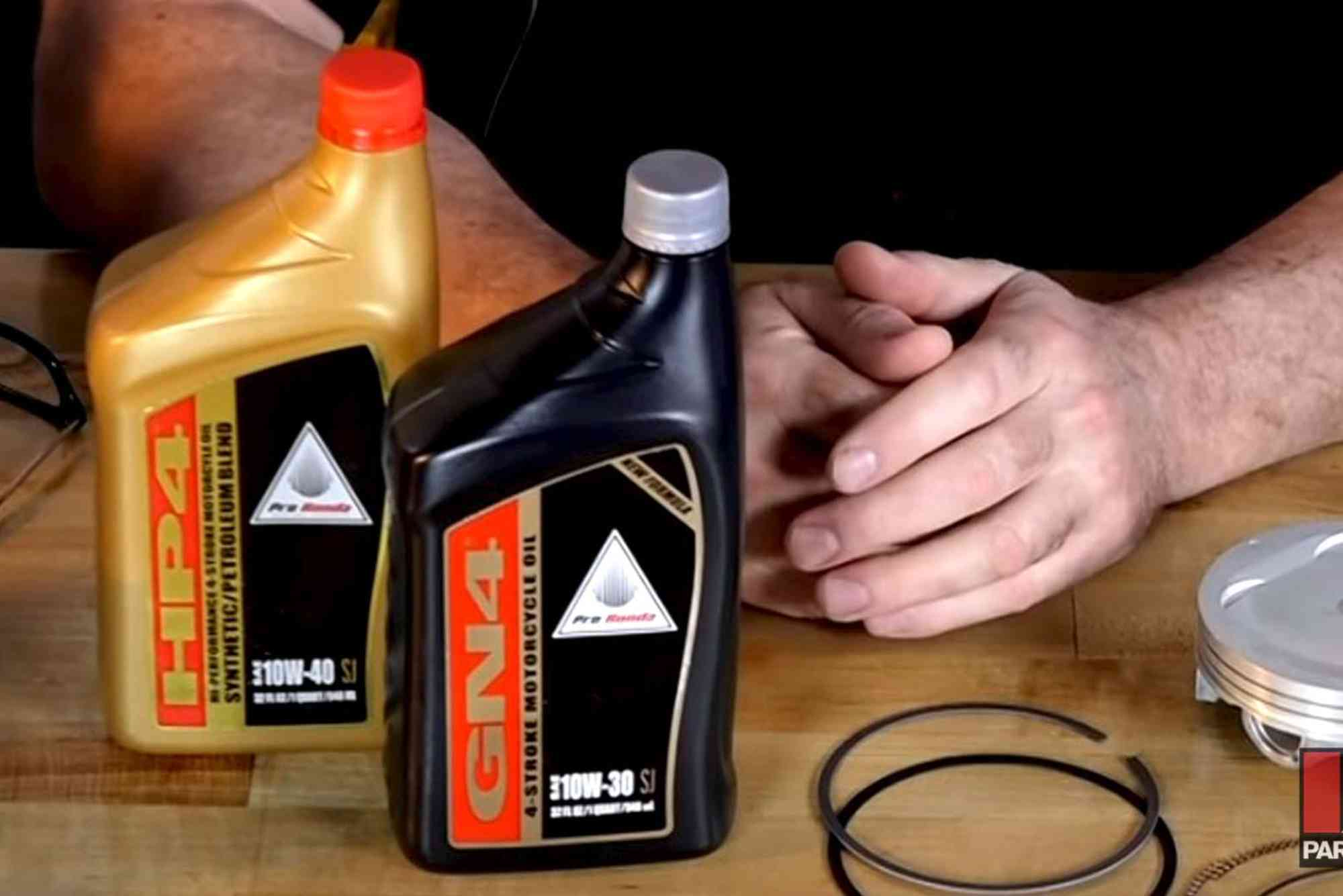
10W30 vs 20W40 Engine Oil: Understanding the Key Differences
Choosing the right engine oil is one of the most important maintenance decisions for your vehicle. It directly affects performance, fuel efficiency, and engine longevity. Among the most commonly compared options are 10W30 and 20W40 engine oils. While both serve similar functions, their viscosity, temperature adaptability, and performance characteristics differ significantly. Understanding the difference between 10W30 and 20W40 engine oil can help you select the best lubricant for your vehicle’s needs and environment.
Understanding Engine Oil Grades
Before diving into the differences, it’s important to understand what the numbers and letters in these oil grades represent. Engine oils are classified by the Society of Automotive Engineers (SAE) according to viscosity, or how thick or thin the oil is at different temperatures. In “10W30,” the number before the “W” (winter) indicates the oil’s cold-temperature viscosity, while the number after the “W” indicates viscosity at high temperatures. The same principle applies to “20W40.” The smaller the first number, the better the oil flows in cold conditions. The higher the second number, the thicker it remains when the engine is hot.
What is 10W30 Engine Oil?
10W30 engine oil is a multigrade oil designed to perform well in both cold and hot temperatures. The “10W” means it flows easily at lower temperatures, making cold starts smoother and reducing friction during ignition. The “30” indicates the oil’s viscosity at engine operating temperature, ensuring stable lubrication and protection when the engine is hot. This oil type is commonly recommended for small to medium-sized engines, cars, and light trucks. It is also widely used in moderate climates where temperatures do not fall too low or rise too high.
What is 20W40 Engine Oil?
20W40 engine oil is thicker and more viscous than 10W30, particularly at lower temperatures. The “20W” suggests that it performs best in warmer climates, while “40” indicates strong film strength at high operating temperatures. This oil is ideal for older engines, motorcycles, and vehicles that operate under high load conditions or in hot environments. It provides superior protection against wear and oil thinning at elevated temperatures, which makes it suitable for engines that tend to run hotter or have wider tolerances.
Key Difference Between 10W30 and 20W40 Engine Oil
The main difference between 10W30 and 20W40 engine oil lies in their viscosity characteristics and how they respond to temperature changes. 10W30 has a lower cold viscosity rating, meaning it flows better in cold starts. On the other hand, 20W40 is thicker and better suited for warmer conditions.
Viscosity and Temperature Behavior
Viscosity plays a critical role in how effectively oil lubricates engine components. 10W30 is thinner at low temperatures, which helps it circulate quickly when starting the engine in cold weather. In contrast, 20W40 is more viscous and flows slower, which can cause sluggish starts in colder regions but offers excellent protection in hot weather.
Engine Protection and Performance
Both oils provide reliable protection, but they do so in different ways. 10W30 reduces friction and improves fuel economy due to its thinner nature, making it ideal for modern engines with tight tolerances. 20W40, being thicker, provides stronger film protection and reduces metal-to-metal contact in older or heavily loaded engines. It is preferred in engines that experience higher heat or are more prone to wear.
Climate and Driving Conditions
Choosing between the two largely depends on the environment. In cold or moderate climates, 10W30 ensures easy engine startup and smoother performance. In contrast, 20W40 performs better in hot climates where oil thinning can be a concern. For example, if you live in a tropical or desert region, 20W40 may offer better stability. However, in colder areas, 10W30 is a superior choice because it flows faster when the engine is cold.
Fuel Efficiency
Fuel efficiency is another factor where 10W30 has an edge. Because it’s less viscous, it creates less drag on the engine’s moving parts, improving fuel economy slightly. 20W40, being thicker, can cause more resistance, which may slightly reduce fuel efficiency. That said, the difference is minor and depends largely on engine type and driving habits.
Engine Type Compatibility
10W30 is commonly used in small cars, sedans, and light-duty vehicles, while 20W40 is more suited for motorcycles, trucks, and older vehicles with worn engines. Modern engines, which are designed with tighter clearances, usually benefit from lighter oils like 10W30 for better lubrication and heat dissipation. Heavier oils like 20W40 are better for engines with larger tolerances or those that consume oil due to age or wear.
Oil Consumption and Leakage
Thicker oils such as 20W40 tend to reduce oil consumption and leakage in older engines. This is because the thicker consistency forms a tighter seal between engine components. On the other hand, 10W30 might be more prone to consumption in older engines due to its lower viscosity, but it performs better in maintaining cleanliness and preventing sludge buildup in newer engines.
When to Use 10W30 Engine Oil
You should use 10W30 engine oil if your vehicle’s manufacturer recommends it or if you operate in cooler climates. It’s ideal for:
- Passenger cars and light-duty trucks
- Modern engines with tighter clearances
- Regions with cold winters or moderate summers
- Drivers seeking improved fuel efficiency and smoother cold starts
10W30 offers balanced performance across different conditions, making it one of the most versatile oils for everyday driving.
When to Use 20W40 Engine Oil
20W40 is better suited for situations requiring extra film strength and protection. You should consider it if you drive in hot environments or have an older vehicle. It’s ideal for:
- Motorcycles and older cars
- Vehicles operating in hot climates
- Engines that run at high RPMs or under heavy loads
- Engines that show signs of oil burning or leakage
This oil maintains its viscosity and protective layer even under high temperatures, ensuring consistent lubrication.
Can You Mix 10W30 and 20W40 Oils?
While it’s technically possible to mix 10W30 and 20W40 oils, it’s not recommended. Mixing two different viscosity grades can alter the oil’s properties, leading to unpredictable performance. The resulting blend won’t perform as well as either oil individually, and it may compromise lubrication and protection. Always use the viscosity grade specified by your vehicle manufacturer to ensure optimal performance and avoid voiding warranties.
Choosing the Right Oil for Your Vehicle
Selecting the correct engine oil should always start with checking your owner’s manual. The manufacturer specifies the appropriate viscosity and oil type for your engine. You should also consider your driving conditions, climate, and engine age. For instance, if you live in an area with extreme temperatures, it’s essential to choose oil that performs well under those conditions. Additionally, maintaining regular oil changes ensures your engine stays clean and efficient regardless of the viscosity you use.
Common Myths About 10W30 and 20W40
Many drivers believe thicker oil always provides better protection. However, that’s not always true. Using oil that’s too thick for your engine can cause poor lubrication during cold starts and reduce fuel efficiency. Similarly, using thinner oil in a hot climate or worn engine can lead to excessive wear. Another misconception is that 20W40 oil lasts longer. In reality, oil life depends more on additives, quality, and driving conditions than viscosity alone.
The difference between 10W30 and 20W40 engine oil comes down to viscosity and temperature performance. 10W30 flows more easily in cold weather, providing better startup protection and fuel efficiency, while 20W40 offers stronger film strength and protection in hotter climates or older engines. Choosing the right oil depends on your vehicle’s design, age, and operating environment. Using the correct engine oil not only ensures smooth performance but also extends your engine’s lifespan. To keep your engine running smoothly and efficiently, always use high-quality oil recommended by your manufacturer. Whether you choose 10W30 or 20W40, stick to regular oil changes and maintenance schedules to ensure optimal performance and long-term engine health.
FAQs
1. Can I use 20W40 instead of 10W30?
You can use 20W40 if your vehicle’s manual allows it and if you operate in hotter climates. However, it’s not ideal for cold regions as it thickens at low temperatures.
2. Which oil is better for motorcycles, 10W30 or 20W40?
20W40 is generally preferred for motorcycles because it provides stronger protection at higher temperatures and under heavy loads.
3. Is 10W30 good for high-mileage engines?
10W30 can be used in high-mileage engines if they are in good condition, but if the engine burns oil, a thicker grade like 20W40 might be more suitable.
4. Does 20W40 increase engine life?
20W40 can help protect against wear in older or high-heat engines, but regular maintenance and timely oil changes are more crucial for engine longevity.
5. Can I switch from 20W40 to 10W30?
Yes, you can switch if your engine and climate conditions allow it. Always consult your manufacturer’s recommendations before making the change.