
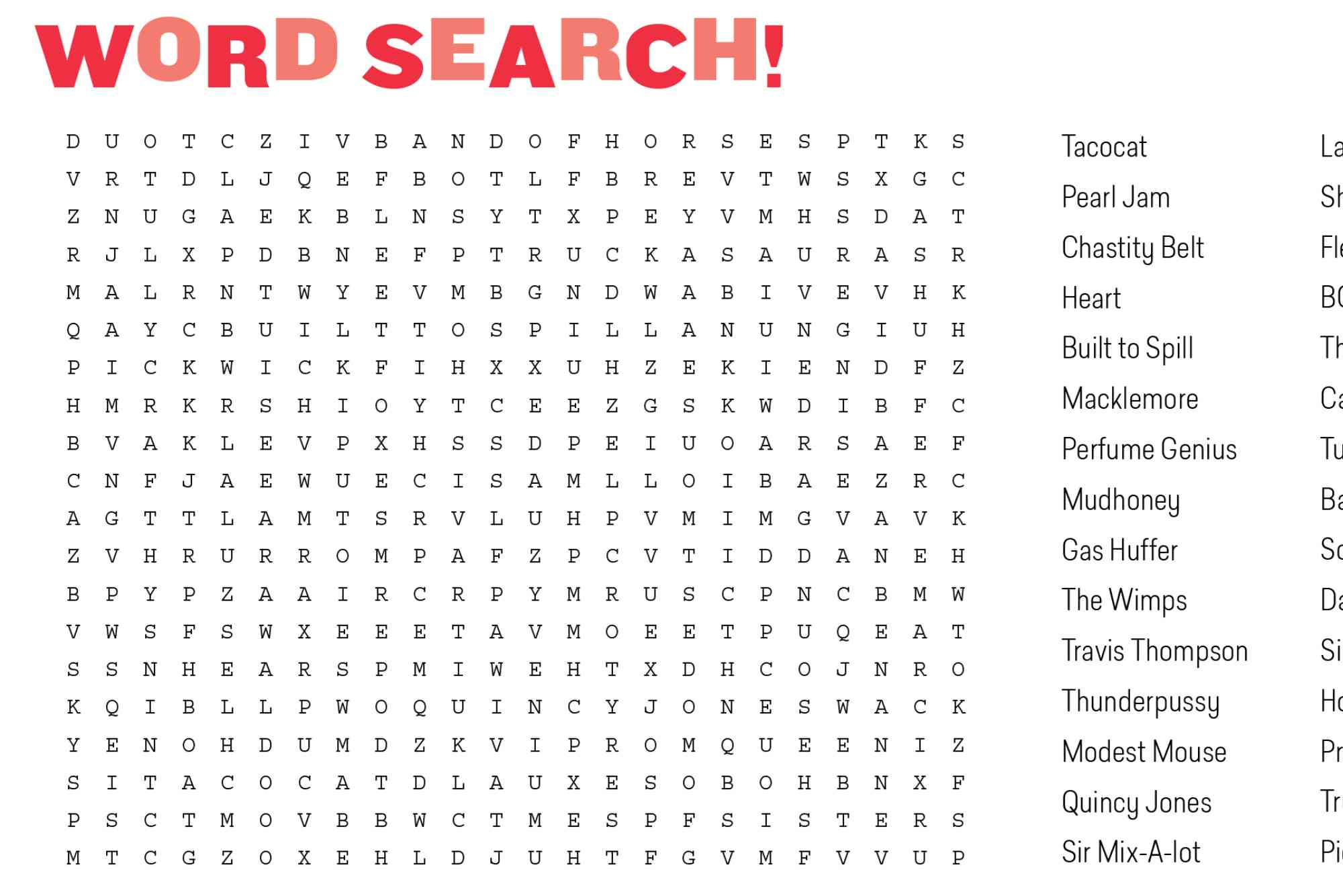
Fun with Learning: Discovery Education Word Search Guide
Learning doesn’t always have to be boring. One of the most effective ways to combine education and engagement is through puzzles—and that’s where Discovery Education word search activities shine. Designed to bring a fun, interactive layer to learning, these puzzles are more than just a pastime. They are tools that support memory, vocabulary development, critical thinking, and subject reinforcement across age levels and subjects.
In today’s fast-paced digital world, students crave stimulating learning methods. With Discovery Education’s digital resources, students can explore word searches tailored to various topics like science, math, history, and even social studies. Whether used in classrooms or at home, these puzzles offer the perfect mix of entertainment and learning.
What is a Discovery Education Word Search?
A Discovery Education word search is an educational puzzle based on content from the Discovery Education platform. These word searches are crafted to align with academic standards while keeping learners engaged. They consist of grids filled with letters, where students must locate specific vocabulary words related to a subject.
Educators can use these puzzles as supplemental resources, warm-up activities, or even homework assignments. They’re particularly useful for reinforcing terminology after a lesson. Whether the focus is life sciences, earth systems, physics, or English language arts, these word searches offer a hands-on way to revisit essential concepts.
Why Word Searches Work in the Classroom
Word searches might seem like a simple game, but they play a significant role in cognitive development. Research suggests that word search puzzles help with pattern recognition, improve word recall, and boost problem-solving skills.
For students who are visual or kinesthetic learners, the act of searching for words activates their learning in a more tactile and focused way. In addition, puzzles like these help students absorb terminology while providing a welcome mental break from traditional worksheets or lectures. Even reluctant learners show increased motivation when these activities are introduced into the curriculum.
Benefits of Using Discovery Education Word Search Activities
There are multiple benefits of using Discovery Education word search games in both school and home environments. These include:
Improved vocabulary retention: Students encounter keywords from various lessons repeatedly, which reinforces memory and understanding.
Enhanced spelling skills: By identifying and spelling out terms, learners become more familiar with how words are constructed.
Cross-curricular connections: Discovery Education offers word searches across various disciplines, promoting a well-rounded learning experience.
Stress reduction: Engaging in puzzles can reduce stress and anxiety, especially when students are feeling overwhelmed by more intense academic demands.
Independent learning: Students can work on these activities independently, making them ideal for classroom rotations, homework, or early finisher options.
Digital and printable options: Teachers and parents can choose between screen-based interaction or classic printables to suit the setting.
How to Access Discovery Education Word Search Puzzles
Accessing Discovery Education word searches is easy with a valid Discovery Education login. After signing in, users can navigate to the “Puzzles” or “Interactive Activities” section, depending on the current layout of the site. From there, educators can filter resources by subject, grade level, or keyword to find the perfect word search puzzle.
For example, a 5th-grade science teacher looking to reinforce the water cycle might search for “water cycle word search” within the Discovery Education portal. This will bring up resources tied to lessons, vocabulary terms, and puzzle formats suitable for that grade level.
Some users prefer to download the puzzles as PDFs for offline use, while others utilize interactive digital versions that provide instant feedback. Both options support versatile learning needs.
Customizing Word Searches for Specific Lessons
Discovery Education allows educators to adapt resources to fit specific learning objectives. Teachers can either use pre-made word searches or create custom versions using online word search generators that support Discovery Education terms.
Customizing word searches helps tailor content to upcoming tests, new units, or unique classroom themes. Teachers can integrate terms students struggled with during a quiz or reinforce ideas covered in a recent video segment.
Creating personalized puzzles also encourages student input. Ask learners to suggest key vocabulary terms or collaborate on building a puzzle together. This not only increases engagement but also strengthens ownership of the learning process.
Making Word Search Activities More Than Just a Game
To elevate the educational value of a Discovery Education word search, integrate them with broader activities. For example, once students find all the words, ask them to define each one or use it in a sentence. In science classes, you might challenge students to draw diagrams illustrating the terms they uncovered.
Word search contests, team challenges, or timed races can also boost classroom excitement while promoting friendly competition. These engaging approaches help students internalize material while maintaining a positive and energetic learning environment.
Word Searches in Remote and Hybrid Learning
With the shift toward hybrid and online learning environments, digital tools like Discovery Education word search puzzles become even more valuable. These resources provide screen-friendly formats that students can access from home, ensuring continuous engagement regardless of location.
Many teachers create virtual breakout rooms where students solve puzzles collaboratively via screen sharing. This digital twist not only builds vocabulary but also supports communication and teamwork skills. Even in an asynchronous learning model, word search activities can be assigned as part of weekly enrichment tasks.
Aligning Word Searches with Curriculum Standards
Discovery Education ensures its resources meet Common Core, NGSS, and other educational standards. When you use a Discovery Education word search, you’re reinforcing academic content in a way that supports curriculum objectives.
For example, a word search focusing on photosynthesis can align with 5th-grade NGSS science standards. Similarly, a vocabulary puzzle about ancient civilizations might fulfill a learning goal within a middle school social studies curriculum. This alignment makes it easier for educators to justify the use of puzzles as more than just busywork.
Best Practices for Using Word Search Puzzles Effectively
To maximize the benefits of word searches, use them with intention. Start by introducing the vocabulary terms before presenting the puzzle. This sets a purpose for the activity and helps struggling readers or English Language Learners understand the context.
Next, guide students in tracking progress. Whether by highlighting words digitally or circling them in print, this hands-on interaction builds concentration. Follow up with discussion questions, short writing prompts, or extension activities to stretch learning further.
When possible, provide options. Let students choose which puzzle to complete or offer tiered difficulty levels. This promotes autonomy and accommodates diverse learning styles and paces.
Discovery Education Word Search for Parents and Homeschoolers
Discovery Education is not limited to classrooms. Parents and homeschool educators can use the platform’s word search features to supplement daily lessons. It’s a great way to bring a creative spark to at-home learning and offers parents a break from more intensive instruction.
These puzzles are especially effective for review days or transition periods between lessons. Use them during car rides, as screen-free weekend activities, or as end-of-unit celebrations.
By incorporating word searches into your learning routine, you help children engage with content in a relaxed and fun format. This promotes a lifelong love of learning—one puzzle at a time.
Start the Discovery with Every Word
Discovery Education word search puzzles are more than just a source of amusement—they’re strategic, standards-aligned tools that turn vocabulary into an engaging adventure. Whether you’re a teacher trying to spice up your lesson plans, or a parent seeking educational fun at home, these puzzles offer a creative and effective solution.
Ready to boost vocabulary, improve focus, and make learning fun? Log into Discovery Education and explore the wide variety of word search activities available. You’ll be surprised at how much educational impact can come from such a simple tool.
(FAQs)
What is a Discovery Education word search?
A Discovery Education word search is an educational puzzle that helps students identify key vocabulary terms related to a subject. It supports learning by reinforcing concepts and improving spelling and memory through a fun activity format.
Are Discovery Education word searches free?
Some word searches may be freely accessible with a basic Discovery Education account, while others require a subscription. Teachers and schools usually have full access through institutional logins.
How can I print Discovery Education word searches?
After logging in, you can search for a word search related to your subject. Most puzzles offer a printable PDF option, which you can download and use offline in classrooms or at home.
Can students complete these puzzles online?
Yes. Discovery Education offers digital versions of many word searches. These interactive puzzles can be completed directly on a device and often include instant feedback, making them ideal for remote or blended learning.
How do I make my own Discovery Education word search?
While Discovery Education provides many ready-made puzzles, educators can also create custom ones using external word search generators. Simply input vocabulary terms from your Discovery Education lessons to make personalized puzzles aligned with your curriculum.