
Introduction
The automotive industry has evolved dramatically over the years, and engine technology has been at the heart of this evolution. Among the most common terms you will hear when discussing modern car engines is DOHC, which stands for Dual Overhead Camshaft. But what makes this design so significant? Why do manufacturers highlight DOHC engine advantages when marketing their vehicles? The answers lie in the unique way this technology improves performance, fuel efficiency, and long-term reliability.
To fully understand why the DOHC engine remains a top choice in the industry, it is essential to explore how it works and what sets it apart from older configurations such as SOHC (Single Overhead Camshaft) or pushrod engines. This article takes a deep dive into the performance, efficiency, and practical benefits of DOHC technology, while also addressing frequently asked questions from real drivers.
Understanding the DOHC Engine
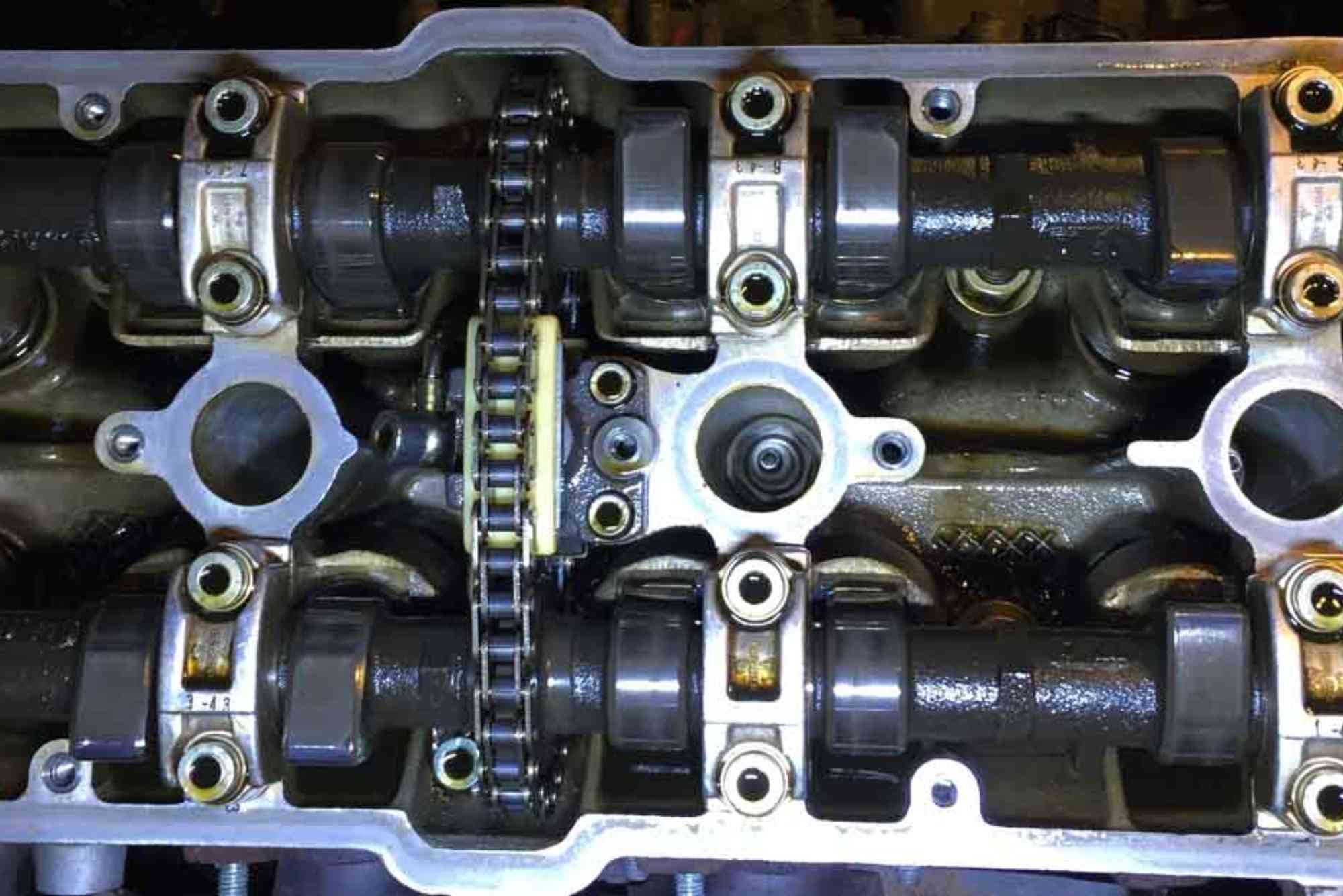
Before exploring the advantages, it is important to know what the DOHC engine is and how it differs from alternatives. A DOHC engine uses two camshafts per cylinder head—one dedicated to operating the intake valves and the other for the exhaust valves. This design allows engineers to place multiple valves per cylinder, often four, which increases airflow and combustion efficiency.
In contrast, a SOHC engine uses only one camshaft per head, while older pushrod engines rely on a camshaft within the block connected by lifters and pushrods. These older systems are simpler but less efficient when it comes to performance and precision. The DOHC configuration solves many of these limitations, making it the standard in most modern vehicles, especially in performance cars and fuel-efficient sedans.
DOHC Engine Advantages in Performance
Performance is one of the first areas where DOHC engines shine. Drivers often notice smoother acceleration, higher horsepower, and a wider rev range compared to other engine setups. This advantage stems from better airflow and valve control.
Higher Horsepower and Torque
The presence of dual camshafts allows manufacturers to design engines with four valves per cylinder—two for intake and two for exhaust. This increases the volume of air and fuel entering the combustion chamber, resulting in more efficient combustion. The outcome is a noticeable increase in horsepower and torque, giving cars better acceleration and higher top speeds.
Enhanced High-RPM Capability
One of the most remarkable DOHC engine advantages is its ability to perform at higher revolutions per minute (RPM). Because the camshafts separately manage intake and exhaust valves, valve timing can be optimized to maintain stability at high speeds. This is why sports cars, motorcycles, and high-performance sedans rely heavily on DOHC configurations. They can safely reach higher RPMs without sacrificing power or reliability.
Better Valve Timing Control
DOHC engines often integrate advanced systems like Variable Valve Timing (VVT). This technology adjusts the opening and closing of valves depending on driving conditions, delivering both performance and efficiency when needed. By fine-tuning valve timing, the engine adapts seamlessly between city driving and highway cruising.
DOHC Engine Advantages in Efficiency
While performance is exciting, fuel efficiency and long-term reliability matter even more to everyday drivers. DOHC technology plays a key role in improving how engines consume fuel and manage emissions.
Improved Fuel Economy
Because DOHC engines allow more precise valve timing, they can balance power output with fuel consumption more effectively. By optimizing airflow, less fuel is wasted, and combustion happens more thoroughly. For drivers, this means better miles per gallon, especially in vehicles that use smaller displacement DOHC engines tuned for efficiency.
Cleaner Emissions
With environmental regulations becoming stricter worldwide, manufacturers turn to DOHC engines to meet emission standards. The design allows complete combustion, reducing the release of unburned fuel. Combined with modern catalytic converters and exhaust systems, DOHC engines contribute to cleaner and greener driving.
Compatibility with Hybrid and Turbo Systems
Another overlooked advantage is the compatibility of DOHC designs with hybrid systems and turbochargers. These modern enhancements demand precise valve timing and airflow management, which DOHC engines provide. This makes them versatile and future-proof in an era where electrification and efficiency are priorities.
Practical Benefits of DOHC Engines
Beyond performance and efficiency, DOHC engines offer several everyday advantages that drivers appreciate.
Quieter and Smoother Operation
The separation of intake and exhaust camshafts reduces mechanical stress, leading to smoother engine operation. Drivers enjoy quieter rides, especially at cruising speeds, as the engine does not strain to maintain performance.
More Potential for Innovation
Because of their design, DOHC engines are more adaptable to advanced technologies. Engineers can easily integrate turbocharging, direct injection, and hybrid systems without major redesigns. This adaptability ensures DOHC engines remain relevant even as the industry evolves.
Longevity and Durability
While DOHC engines may be slightly more complex than SOHC or pushrod designs, their balanced performance often leads to reduced wear and tear over time. With proper maintenance, DOHC-equipped vehicles often last longer while maintaining consistent performance.
Challenges of DOHC Engines
No technology is perfect, and DOHC engines have some drawbacks worth noting. They are typically more expensive to manufacture, which may raise vehicle prices. Maintenance can also be more involved since more moving parts mean more components that require attention. However, for most drivers, the performance and efficiency benefits far outweigh these challenges.
DOHC Engines vs. SOHC Engines
Many buyers wonder whether DOHC is truly superior to SOHC, or if the difference is negligible. The truth depends on priorities. A SOHC engine is often cheaper, easier to maintain, and can deliver adequate performance for budget-friendly cars. However, DOHC engines clearly outperform SOHC engines when it comes to horsepower, fuel efficiency, and future compatibility with advanced technologies. For drivers who value long-term performance and efficiency, DOHC remains the smarter choice.
Real-World Examples of DOHC Engine Advantages
Most popular automakers now use DOHC engines in their lineups. Honda’s VTEC system, Toyota’s VVT-i, BMW’s Valvetronic, and Ford’s EcoBoost are all based on DOHC technology. These systems showcase how versatile the configuration is, delivering both thrilling power in sports models and outstanding fuel efficiency in family sedans. The wide adoption across global brands demonstrates the trust manufacturers place in this design.
FAQs
Is a DOHC engine better than SOHC?
Yes, in most cases. DOHC engines provide more horsepower, efficiency, and adaptability, though SOHC may be cheaper and simpler.
Does a DOHC engine consume more fuel?
Not necessarily. In fact, DOHC engines often achieve better fuel economy thanks to improved combustion and valve timing.
Why do sports cars use DOHC engines?
Sports cars use DOHC engines because they allow higher RPMs, more horsepower, and better throttle response, which are essential for performance driving.
Are DOHC engines more expensive to repair?
They can be, since they have more moving parts. However, with proper maintenance, they are durable and reliable in the long term.
Can a DOHC engine work with a turbocharger?
Yes. DOHC engines are well-suited for turbocharging because of their ability to manage airflow efficiently, which maximizes turbo performance.
When looking at the automotive landscape, it becomes clear that DOHC engines dominate for good reason. The design offers a powerful blend of performance, efficiency, and adaptability. From giving drivers thrilling acceleration to ensuring excellent fuel economy, DOHC engine advantages extend to nearly every aspect of driving. While maintenance may require slightly more attention, the long-term benefits far outweigh the costs.