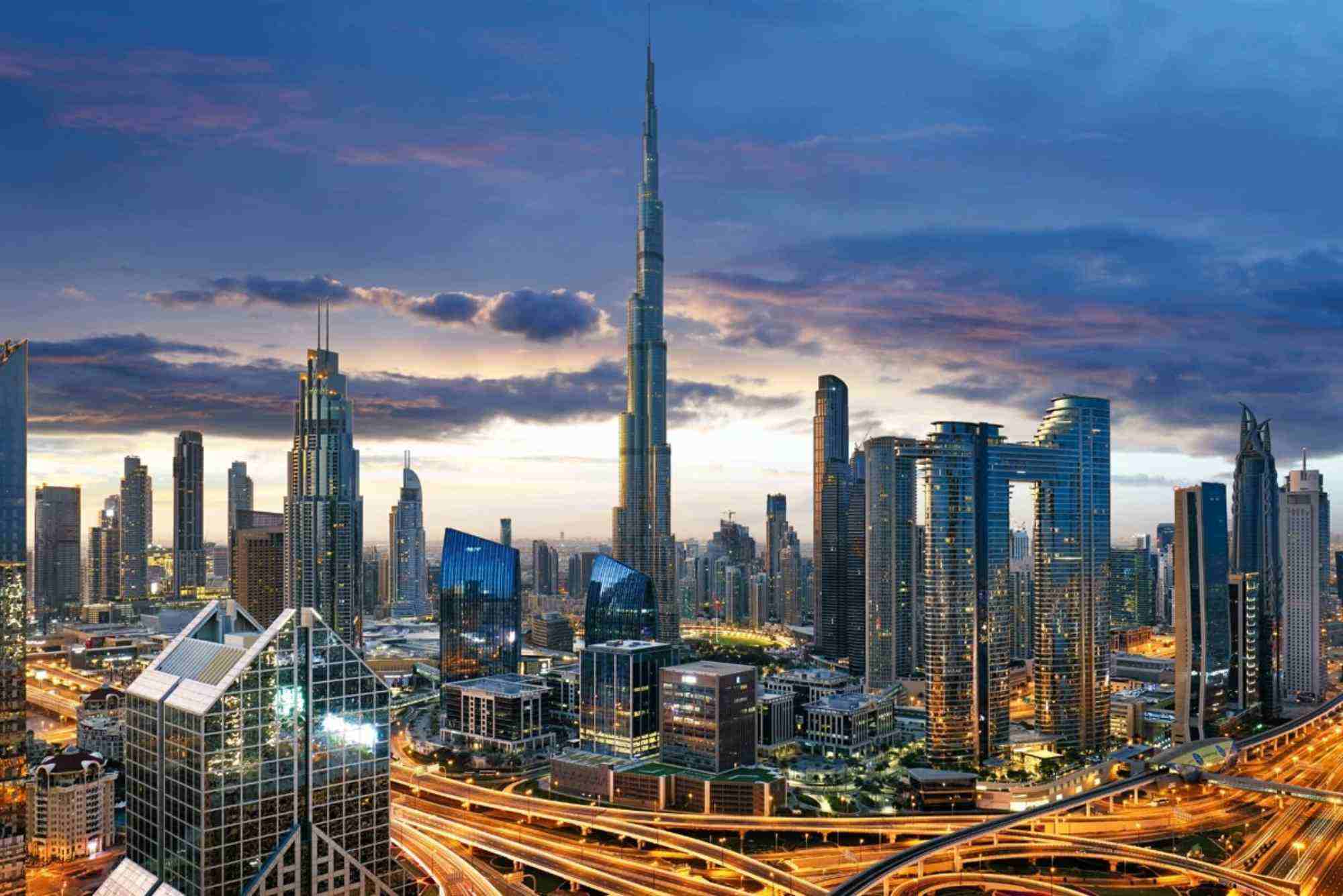
Get Informed with This Complete Wiki-Style Guide to Dubai
Dubai is one of the most fascinating cities in the world. Whether you’re planning your first trip or just curious about this dazzling desert metropolis, this Dubai wiki guide has you covered. From its rich history and rapid development to travel tips and cultural etiquette, consider this your one-stop resource for understanding Dubai in depth.
Introduction to Dubai
Located on the southeastern coast of the Arabian Peninsula, Dubai is the most populous city in the United Arab Emirates (UAE). Known for its futuristic skyline, luxury lifestyle, and economic power, Dubai has transformed from a small fishing village into a global hub for tourism, business, and innovation.
This Dubai wiki guide explores key facts, traditions, and practical tips that every traveler or curious reader should know.
A Brief History of Dubai
From Fishing Village to Global Power
Before oil was discovered in the 1960s, Dubai’s economy relied on fishing, pearl diving, and trade. Its strategic location on the Persian Gulf helped establish it as a bustling port city.
In 1971, Dubai joined six other emirates to form the United Arab Emirates. The leadership of Sheikh Rashid bin Saeed Al Maktoum laid the foundation for Dubai’s rapid transformation.
The Oil Boom and Diversification
While oil played a key role in Dubai’s early growth, the city wisely diversified. Real estate, tourism, trade, and finance now drive its economy. Today, less than 1% of Dubai’s GDP comes from oil.
Geography and Climate
Dubai lies in a desert climate zone. Summers are hot and dry, with temperatures exceeding 45°C (113°F). Winters are mild and pleasant, making November to March the best time to visit.
Despite its arid surroundings, Dubai has lush landscapes, artificial islands, and pristine beaches — all made possible by advanced engineering.
Language and Religion
Official Language
Arabic is the official language, but English is widely spoken. Road signs, menus, and official documents often appear in both languages.
Religion and Culture
Islam is the official religion. While Dubai is more liberal than many Gulf cities, it’s important to respect Islamic customs, especially during Ramadan. Modest dress and polite behavior are expected in public spaces.
Government and Laws
Dubai is governed by a constitutional monarchy under the leadership of the Al Maktoum family. Though modern and open, Dubai enforces strict laws on public behavior, dress codes, and alcohol consumption. Researching local laws ahead of your visit is wise.
Economy and Business
Dubai is a financial powerhouse. It boasts world-class infrastructure, tax-free business zones, and a global workforce. The Dubai International Financial Centre (DIFC) and Jebel Ali Free Zone attract international corporations.
Major industries include:
- Tourism
- Real Estate
- Finance
- Logistics
- Technology
Dubai also hosts major expos, conventions, and tech summits, reinforcing its position as a global business hub.
Top Attractions in Dubai
Burj Khalifa
At 828 meters, the Burj Khalifa is the world’s tallest building. Visitors can enjoy breathtaking views from the observation decks on the 124th and 148th floors.
The Dubai Mall
This isn’t just a shopping mall — it’s a city under one roof. From a giant aquarium to an indoor ice rink, the Dubai Mall offers entertainment for all ages.
Palm Jumeirah
Shaped like a palm tree, this artificial island is a marvel of engineering. It’s home to luxury resorts like Atlantis The Palm and offers scenic views and fine dining.
Desert Safari
No Dubai wiki guide is complete without mentioning desert safaris. Ride camels, try sandboarding, and enjoy traditional Bedouin-style dinners under the stars.
Dubai Creek
Explore Dubai’s old soul. Take a traditional abra ride, visit the spice and gold souks, and experience the city’s trading roots.
Culture and Lifestyle
Dubai celebrates a multicultural society. Over 85% of the population are expatriates, representing more than 200 nationalities.
While luxury and glamour are visible, family, hospitality, and tradition still play a strong role in everyday life.
Respect for elders, conservative dress in public, and politeness are highly valued traits.
Transportation in Dubai
Dubai has a world-class public transport system:
- Metro: Fully automated and fast
- Taxis: Affordable and regulated
- RTA Buses: Cover most parts of the city
- Ride-hailing apps: Careem and Uber operate here
Driving is an option, but traffic can be intense during peak hours.
Shopping and Dining
Shopping
Dubai is a shopping paradise. From high-end fashion at the Dubai Mall to haggling for spices at traditional souks, there’s something for everyone.
The annual Dubai Shopping Festival (DSF) attracts global tourists with deals, concerts, and raffles.
Dining
Dubai’s food scene is as diverse as its population. You can enjoy everything from Michelin-starred restaurants to street shawarma stands.
Don’t miss:
- Emirati dishes like Machboos and Luqaimat
- International cuisine from India, Iran, Lebanon, and the Philippines
- Luxury dining at sky-high venues like Atmosphere in the Burj Khalifa
Festivals and Events
Dubai hosts numerous world-class events:
- Dubai Expo City events
- Dubai Shopping Festival (DSF)
- Dubai Food Festival
- Art Dubai
- Dubai World Cup (horse racing)
National Day (December 2) and Eid celebrations bring vibrant parades, fireworks, and traditional performances.
Safety and Travel Tips
- Currency: UAE Dirham (AED)
- Electricity: 230V (British-style plugs)
- Emergency Number: 999 (police), 998 (ambulance)
- Dress modestly: Especially in malls and religious sites
- Tipping: Not mandatory but appreciated (10–15% at restaurants)
- Friday is a weekend day: Many offices are closed, but malls remain open
Dubai is one of the safest cities in the world. Violent crime is rare, and public areas are monitored for safety.
Dubai for Expats and Digital Nomads
Dubai is a top destination for professionals and remote workers. The government offers digital nomad visas, allowing freelancers to live and work remotely in the UAE.
Communities like Dubai Marina, Downtown, and Jumeirah Lake Towers (JLT) offer modern housing, coworking spaces, and networking opportunities.
For long-term stays, knowing the cost of living is crucial. Rent and schooling can be high, but quality of life is excellent.
Dubai’s Future Vision
Dubai is always thinking ahead. Vision 2040 focuses on sustainability, smart cities, and quality of life. Projects like The Line (in nearby NEOM), AI-led infrastructure, and green energy investments are shaping the next chapter.
Dubai also aims to be a leader in blockchain, metaverse tech, and autonomous transportation.
FAQ Section
What is Dubai known for?
Dubai is known for its futuristic architecture, luxury lifestyle, and iconic landmarks like the Burj Khalifa and Palm Jumeirah.
Is Dubai safe to visit?
Yes, Dubai is considered one of the safest cities globally, with strict laws and a highly secure environment for tourists.
Can you drink alcohol in Dubai?
Non-Muslims can drink alcohol in licensed venues such as hotels and bars. Public intoxication and drinking in non-designated areas are illegal.
What is the best time to visit Dubai?
The best time to visit is between November and March when the weather is cooler and more suitable for outdoor activities.
Do I need a visa for Dubai?
Many nationalities can get a visa on arrival. Check the official UAE visa portal for your country’s requirements.
Is Dubai expensive for tourists?
Dubai can be luxurious, but budget options are available. Public transport, mid-range hotels, and affordable eateries make it accessible for all.
What language is mostly spoken in Dubai?
English is widely spoken in Dubai, especially in business, tourism, and retail sectors.
Dubai is more than just a city of skyscrapers — it’s a blend of tradition, innovation, and unmatched ambition. Whether you’re planning a trip or just exploring from afar, this Dubai wiki-style guide should give you a solid understanding of what makes the city so special.
Ready to explore Dubai yourself? Dive deeper into our guides or start planning your trip today.