Introduction
In regions prone to seismic activity, ensuring building safety has become more than a design concern—it’s a matter of life and death. Earthquake resistant building technology has evolved significantly over the past few decades, with scientists, engineers, and architects working hand in hand to create structures that can endure the unpredictable forces of nature. These advancements aren’t just about survival; they aim to protect lives, preserve investments, and maintain community infrastructure.
Understanding the Need for Earthquake Resistant Structures
Earthquakes release sudden bursts of energy from within the Earth’s crust, causing ground shaking that can collapse poorly constructed buildings within seconds. Traditional building methods often fail during seismic events due to brittle materials, poor structural design, or lack of flexibility. The need for earthquake resistant building technology arises from the necessity to design structures that do not just stand tall but remain intact and functional after an earthquake.
Advancements in construction science now allow us to anticipate how buildings will respond during seismic events and design them accordingly. This shift from reactive construction to proactive design marks a turning point in disaster mitigation. Earthquake resistant buildings are no longer the exception—they are the global standard in modern construction, particularly in vulnerable regions.
Core Principles of Earthquake Resistant Design
The foundation of earthquake resistant building technology lies in several core principles that guide engineers and architects when planning and constructing safe structures. These include flexibility, energy dissipation, balanced load distribution, redundancy, and strong connections.
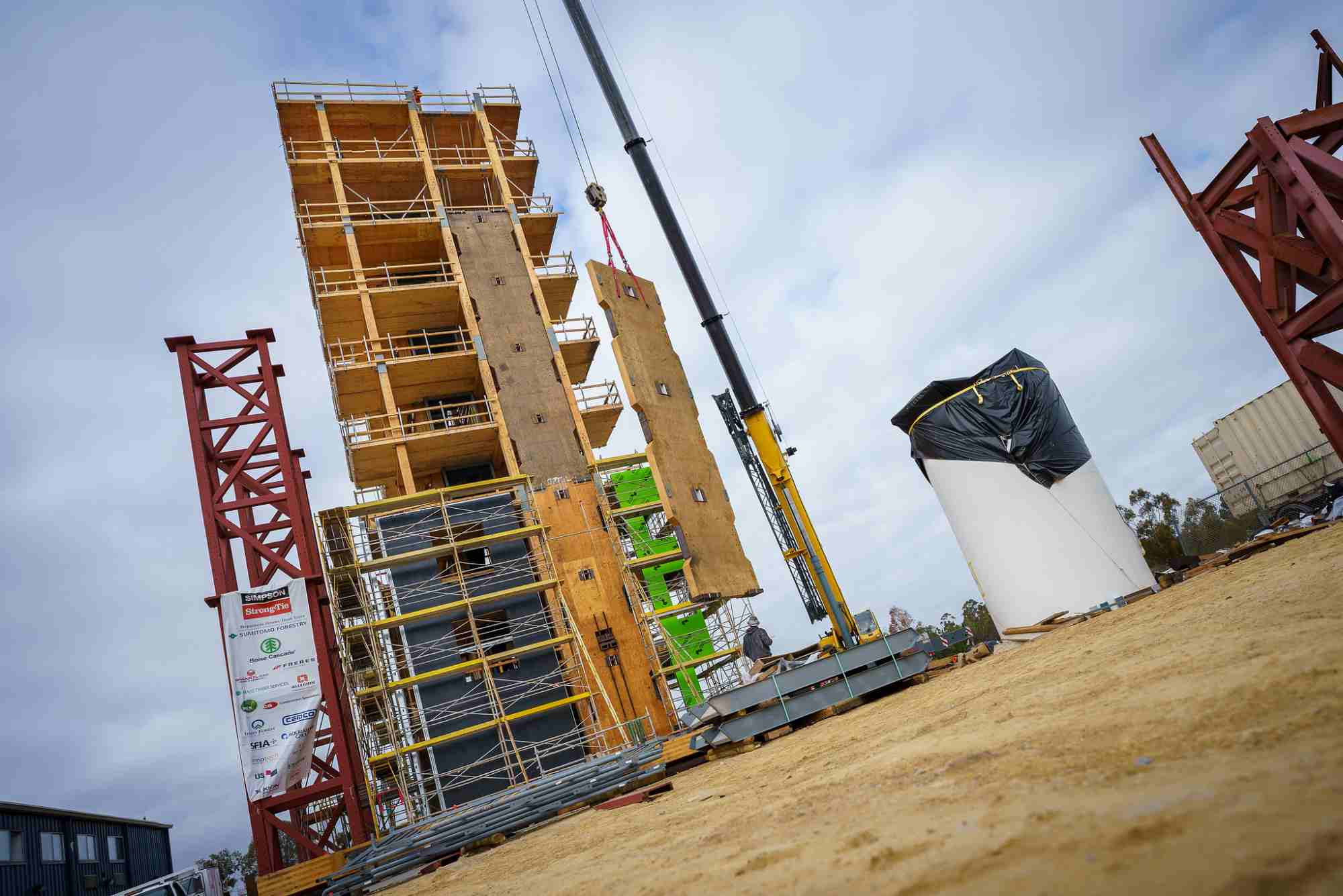
Flexibility ensures that buildings can sway without breaking during seismic tremors. Instead of resisting every movement, structures absorb and adapt to ground motion. Reinforced materials like steel or engineered wood are commonly used to provide this kind of elasticity.
Energy dissipation is another crucial element. When seismic waves pass through a structure, they must be absorbed or deflected to prevent damage. Devices such as dampers or isolators are installed to absorb energy and reduce vibrations. These components act like shock absorbers, helping the building endure tremors without structural failure.
Balanced load distribution across all elements of a structure is essential. Irregular buildings or those with uneven mass distribution are more prone to collapse. Engineers aim for symmetrical layouts and consistent strength throughout the building.
Strong connections between different building parts help ensure that walls, roofs, and foundations move together rather than separately. This unity minimizes damage at joints and prevents sections from shearing off during a quake.
Redundancy in design means that if one component fails, others will take over its load. This backup system greatly increases a building’s chance of survival.
Modern Materials in Earthquake Resistant Construction
One of the most transformative aspects of earthquake resistant building technology is the development of high-performance materials. Engineers are no longer limited to concrete and rebar; today’s structures may incorporate shape memory alloys, fiber-reinforced composites, and flexible steel frames.
Shape memory alloys are a cutting-edge solution that can return to their original shape after being deformed by seismic activity. These materials act like springs, absorbing and releasing energy with minimal damage.
Fiber-reinforced polymers (FRPs) are lightweight yet incredibly strong. These composites are used to reinforce concrete columns and beams, enhancing their resistance to bending and shear forces during earthquakes.
High-strength ductile concrete is another innovation making waves. Unlike traditional brittle concrete, this material bends slightly under stress rather than cracking, making it ideal for earthquake zones.
Seismic Base Isolation Systems
Base isolation is a revolutionary approach in earthquake resistant building technology. Rather than anchoring a building directly to the ground, base isolators are installed between the structure and its foundation. These flexible pads or bearings allow the building to move independently of ground motion, significantly reducing the impact of an earthquake.
Base isolation has proven effective in real-world scenarios, including Japan’s skyscrapers and California’s hospitals. Buildings equipped with base isolators often emerge from earthquakes with little or no damage, proving the technique’s effectiveness.
Damping Systems and Tuned Mass Dampers
Damping systems are designed to absorb seismic energy and reduce building vibrations. Tuned mass dampers (TMDs) are massive weights placed within tall buildings that sway in the opposite direction of the building’s movement, canceling out some of the force.
These systems are especially useful in high-rise buildings, where swaying due to seismic activity can be significant. A well-known example is Taipei 101 in Taiwan, which includes one of the largest TMDs ever built. The device not only stabilizes the tower during earthquakes but also during typhoons.
Innovations in Structural Design
Beyond materials and devices, innovation in building design plays a key role in earthquake resistance. Architects and engineers now favor modular designs that distribute stress evenly. Open spaces with few supporting columns are avoided, as they compromise structural integrity.
Another modern approach is the use of reinforced shear walls. These vertical walls absorb lateral forces during seismic events and are especially important in multi-story buildings.
Cross-bracing with steel reinforcements further enhances rigidity. When incorporated properly, these design elements prevent torsional movements and collapse.
Advanced simulation tools also contribute to modern design. Engineers can test their blueprints against simulated earthquakes to evaluate how a structure will respond. Adjustments are made in real time, long before the first brick is laid.
Global Standards and Building Codes
Countries prone to earthquakes have implemented strict building codes that mandate the use of earthquake resistant building technology. These regulations cover every aspect of construction, from soil testing and foundation design to material selection and structural layout.
In the United States, the International Building Code (IBC) integrates seismic considerations, while Japan’s stringent standards require continuous inspection and innovation.
These codes are constantly updated based on new research and real-world earthquake data. Following these guidelines not only improves safety but is also essential for legal compliance and insurance.
Retrofitting Older Buildings
A major challenge lies in upgrading existing structures that were built before modern seismic standards. Retrofitting involves reinforcing foundations, adding shear walls, and installing base isolators or damping systems.
This process can be costly but is often necessary to protect lives in densely populated urban areas. Cities like Istanbul, Los Angeles, and Kathmandu are investing heavily in retrofitting schools, hospitals, and residential towers.
Public awareness and government incentives are key to making retrofitting more widespread. The success of these efforts often hinges on political will, funding, and community engagement.
Earthquake Resistant Technology in Emerging Economies
While high-income countries can afford state-of-the-art materials and technologies, many regions in South Asia, Africa, and Latin America still rely on traditional construction methods. Affordable earthquake resistant techniques are being developed for these areas, including bamboo reinforcements, compressed earth blocks, and recycled materials.
NGOs and international bodies like the UN are promoting knowledge-sharing initiatives to spread these techniques. Earthquake safety must be inclusive, accessible, and adaptable to different socio-economic contexts.
Future Trends in Earthquake Resistant Construction
The future of earthquake resistant building technology looks promising. Researchers are exploring smart materials that can adapt to seismic stress in real-time. Integration of AI and IoT systems will allow buildings to “learn” from seismic patterns and adjust their behavior.
Self-healing concrete is another innovation in development. It contains bacteria or chemicals that activate upon cracking, automatically sealing small fractures before they widen.
Robotics and 3D printing will revolutionize the way we build earthquake-resistant homes, enabling faster and more precise construction in disaster-prone zones.
Sustainability is also becoming a core focus. Future earthquake resistant structures will not only survive seismic events but will also be energy-efficient, eco-friendly, and resource-conscious.
Building Resilience for a Safer Tomorrow
Investing in earthquake resistant building technology is not just about reducing risk—it’s about building resilience. Every innovation, from base isolation to smart materials, represents a step toward safer communities and stronger infrastructure.
Whether you’re an architect, builder, policymaker, or homeowner, understanding and applying these technologies can save lives and livelihoods. Earthquakes are inevitable—but their impact doesn’t have to be catastrophic.
FAQs
What is earthquake resistant building technology?
Earthquake resistant building technology refers to construction methods, designs, and materials that allow buildings to withstand seismic forces. It includes base isolators, damping systems, and reinforced materials that reduce damage during an earthquake.
How does base isolation work in earthquake-resistant buildings?
Base isolation separates a building from its foundation using flexible bearings or isolators. During an earthquake, the ground moves beneath the building, but the isolators absorb most of the motion, preventing structural damage.
What are the most commonly used materials in earthquake resistant construction?
Common materials include reinforced concrete, structural steel, fiber-reinforced polymers, and shape memory alloys. These materials offer strength, flexibility, and energy absorption critical for seismic safety.
Can old buildings be made earthquake resistant?
Yes, through a process called retrofitting. This involves strengthening foundations, adding shear walls or braces, and incorporating modern dampers or base isolation systems to enhance seismic resilience.
Why is earthquake resistant technology important?
It minimizes the loss of life, property damage, and disruption caused by earthquakes. It ensures the safety of communities and helps maintain critical infrastructure during natural disasters.