Introduction
Education is a powerful tool for change, especially in developing countries like Ghana. While the government has taken steps to improve access to schooling, there are still significant gaps in resources, infrastructure, and opportunities for students—particularly those in rural or impoverished areas. This is where education charities in Ghana step in. These organizations are playing a vital role in transforming the country’s educational landscape, providing students with learning materials, scholarships, mentorship programs, and school infrastructure.
These education-focused charities not only bridge gaps but also help break the cycle of poverty. Their impact can be seen in the smiles of children who finally have the chance to attend school and the communities that grow stronger as a result. In this article, we’ll explore how education charities in Ghana are making a tangible difference, the challenges they face, and how you can support their mission.
The State of Education in Ghana
Ghana has made remarkable progress in expanding access to education over the past two decades. Primary school enrollment is nearly universal, and the Free Senior High School policy has increased attendance rates. However, quality remains a concern. Many students attend overcrowded classrooms with limited teaching materials. Teacher training and curriculum relevance also pose challenges.
Rural and marginalized communities suffer the most. In areas where there are few schools, children may have to walk several kilometers daily, which discourages attendance. Girls are particularly vulnerable due to cultural expectations and early marriage. With this in mind, education charities in Ghana become essential partners in national development.
How Education Charities in Ghana Make a Difference
Education charities in Ghana work on multiple fronts to ensure children have access to quality learning. Their contributions span far beyond just building classrooms. These organizations focus on teacher training, digital literacy, inclusive education, and even nutrition programs that support academic performance.
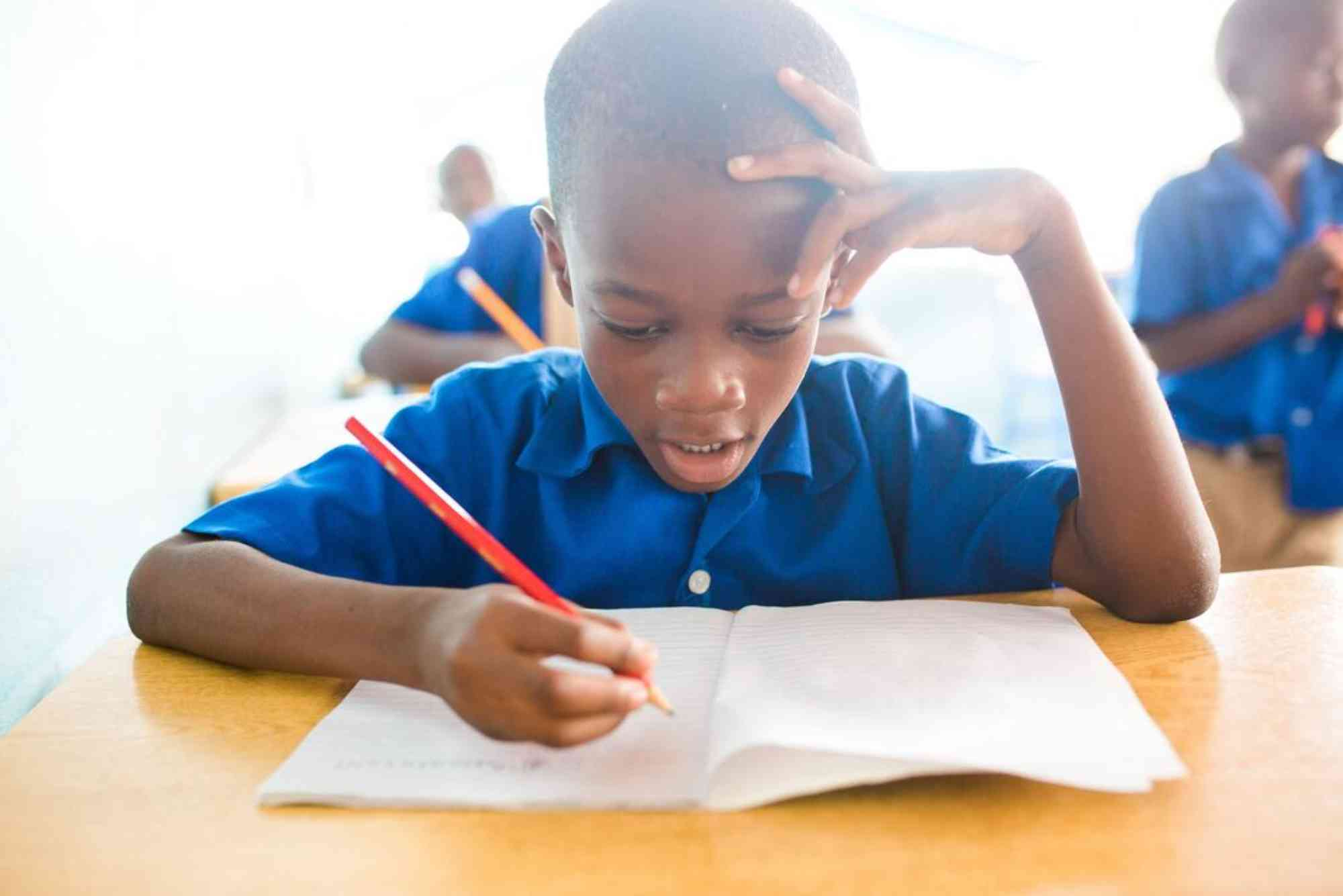
They also provide scholarship programs that cover school fees, uniforms, and supplies for children who would otherwise be excluded from the classroom. Beyond academics, many charities integrate life skills, mentorship, and leadership training to prepare students for the future.
Moreover, these charities often partner with local communities to make their initiatives sustainable. By involving parents, teachers, and community leaders, they build trust and ensure that educational gains are long-lasting. Their hands-on approach addresses root causes and creates meaningful change.
Key Areas of Impact by Education Charities
Improving Access to Schools
One major area where education charities in Ghana excel is increasing school access. In rural parts of Ghana, students often study under trees or in crumbling buildings. Many charities step in to construct durable school facilities with proper lighting, ventilation, and furniture.
Additionally, mobile classrooms and e-learning buses help bring education to remote regions. These solutions reduce drop-out rates and inspire children to remain in school. Improved infrastructure also attracts qualified teachers to underserved areas.
Enhancing Quality of Learning
Access is not enough without quality. Many education charities focus on improving classroom instruction. They provide ongoing teacher training, up-to-date teaching guides, and monitoring systems to track student progress. Charities introduce interactive teaching methods to move away from rote learning, helping students grasp complex concepts more effectively.
Some organizations provide digital tools like tablets, e-books, and educational software to enhance learning outcomes. With the rise of digital literacy, these resources help students compete on a global scale.
Providing Scholarships and Financial Aid
Poverty remains a major barrier to education. Charities often offer scholarships to underprivileged students. These scholarships cover tuition, school supplies, transportation, and even meals. By relieving the financial burden on families, children can attend school consistently and focus on their studies.
Some programs are tailored for girls, orphans, or children with disabilities—groups that often face additional obstacles. These targeted interventions foster inclusion and promote equity in education.
Empowering Girls Through Education
Girls in Ghana face unique educational challenges, from early marriage to household responsibilities. Education charities have responded with gender-focused programs that include mentorship, sexual health education, and safe spaces for girls to learn and grow.
These programs also engage communities to shift harmful gender norms. By empowering girls through education, these charities help create confident women who can lead change in their communities.
Supporting Special Needs Education
Children with disabilities are among the most marginalized in Ghana’s education system. Some charities are breaking barriers by promoting inclusive education. They offer teacher training in special education, supply assistive devices, and advocate for inclusive policies.
By addressing physical, cognitive, and emotional learning needs, these charities give every child a chance to succeed regardless of their abilities.
Impact Stories and Community Transformations
Across Ghana, there are countless stories of transformation driven by these education-focused nonprofits. In a remote village in the Northern Region, a charity introduced a solar-powered digital classroom. Today, students who once had no exposure to computers are excelling in ICT and aspiring to careers in technology.
In Accra, a young girl from a low-income family received a scholarship and mentorship from a charity organization. Today, she is the first in her family to attend university and hopes to become a teacher herself. These stories are not isolated. They are multiplied every day by the work of education charities in Ghana.
Challenges Faced by Education Charities
Despite their successes, these organizations face a variety of challenges. Funding remains a constant concern. With donor fatigue and global economic instability, some charities struggle to maintain consistent support for their programs. There are also logistical hurdles, such as poor road access to rural communities or delays in government approvals.
Additionally, charities must balance immediate needs with long-term sustainability. It’s not enough to build a school; the community must be empowered to maintain and manage it. Capacity building and community ownership are crucial for lasting success.
The Role of International Partners
Many education charities in Ghana operate with the help of international partners. These collaborations bring in expertise, funding, and global awareness. NGOs, private corporations, and philanthropic foundations all play a part. They provide technical support, sponsor students, and even volunteer in school-building projects.
However, it’s essential that these partnerships respect local knowledge and cultural context. Successful programs are those co-designed with communities and driven by local leadership.
How You Can Support Education Charities in Ghana
There are many ways you can support education charities in Ghana and be part of their life-changing work. Donations are the most direct way, and even small contributions can provide books, uniforms, or meals. Some charities offer sponsorship programs where you can directly support a child’s education.
Volunteering your time or professional skills—whether in person or remotely—can also be impactful. If you work in education, IT, fundraising, or project management, many organizations welcome expert support.
Raising awareness is another key contribution. Share stories, organize fundraisers, or advocate for global education equity in your community. Every effort helps.
Join the Movement to Educate Ghana
Education is a human right and a foundation for development. While Ghana has made notable strides, countless children still face barriers to learning. Education charities in Ghana are working tirelessly to close these gaps, empower communities, and unlock brighter futures.
You can play a part in this mission. By supporting or spreading the word about these charities, you help give a child the tools they need to rise out of poverty and create lasting change. Education transforms lives—and you can be part of that transformation.
FAQs
What are some well-known education charities in Ghana?
There are several respected organizations working in this space. While this article doesn’t list names directly, many NGOs, both local and international, focus on scholarships, school construction, and teacher training in Ghana. You can find reputable options by checking charity review sites or Ghana’s education ministry partnerships.
How do education charities in Ghana use donations?
Most charities allocate donations toward school supplies, tuition support, infrastructure, and teacher training. Some also use funds for nutrition programs, transport services, and digital learning resources. Charities often publish annual reports showing how donations are used.
Can I volunteer for an education charity in Ghana?
Yes, many charities welcome local and international volunteers. Opportunities include teaching, curriculum development, IT training, and administrative support. Some organizations offer structured volunteer programs, while others accept remote assistance.
Why is girls’ education a focus for many charities?
Girls in Ghana face specific challenges such as early marriage, poverty, and cultural barriers. Charities focus on girls to promote gender equality and improve social outcomes. Educated girls are more likely to invest in their families and communities.
How can I tell if an education charity is trustworthy?
Look for transparency in reporting, third-party reviews, and clear impact statements. Check if the organization is registered in Ghana or internationally. Reputable charities provide contact information, annual financials, and case studies of their work.