
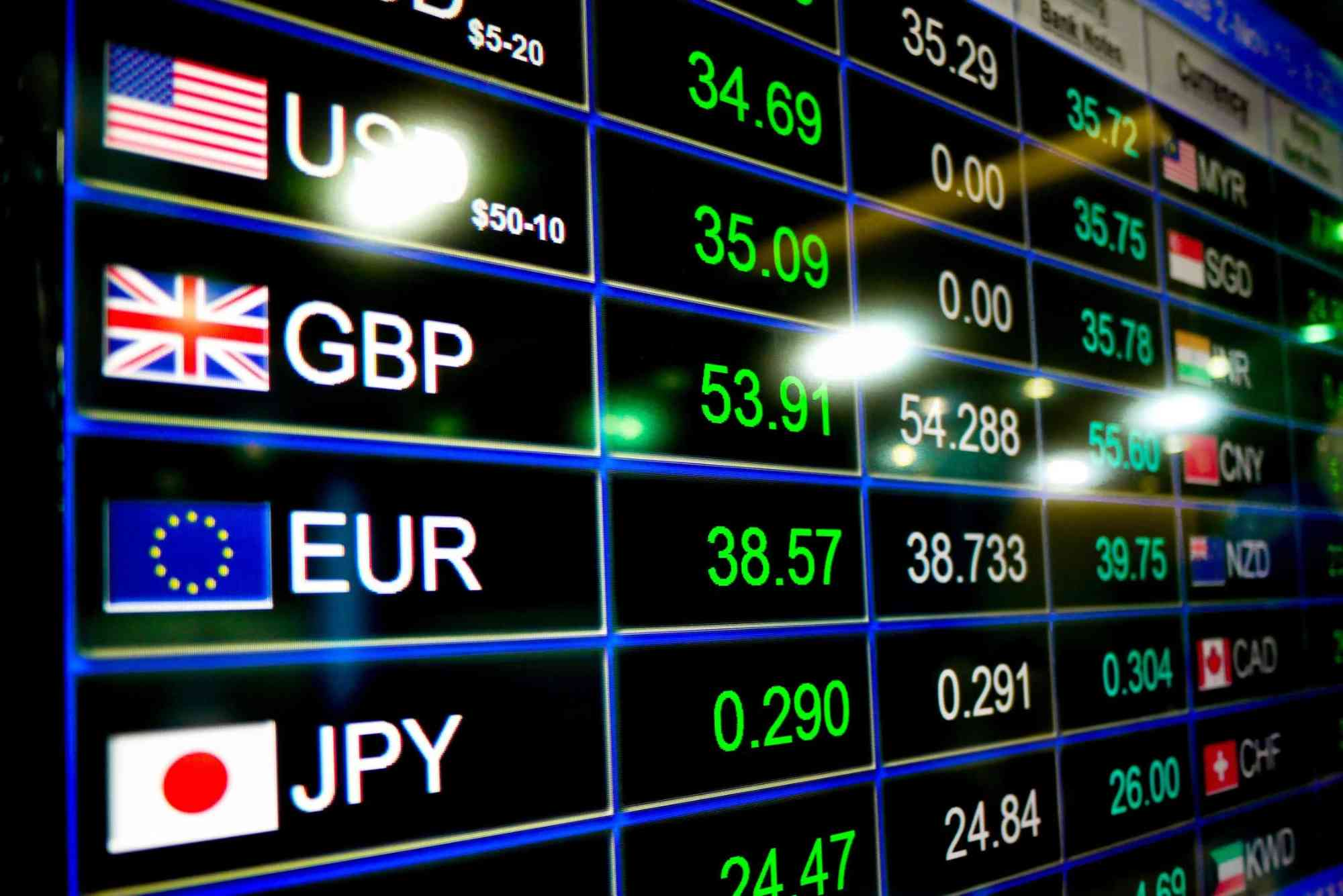
In today’s digital age, exchange rate prediction has become more complex and more essential than ever. The rise of cryptocurrencies has reshaped traditional currency markets, altering how exchange rates fluctuate and respond to global events. Investors, businesses, and even policymakers now face the challenge of predicting exchange rates in a world where crypto assets influence liquidity, speculation, and monetary flows. Understanding exchange rate prediction in this new landscape is key to making informed decisions and protecting your financial position.
Understanding Exchange Rate Prediction in the Crypto Era
Exchange rate prediction refers to the process of estimating future values of currency pairs. In a crypto-driven economy, it’s not just about traditional factors like interest rates or inflation. The digital asset market adds new forces that interact with traditional forex dynamics. For example, the growing adoption of stablecoins and cross-border crypto payments changes how demand for fiat currencies rises and falls. Predicting exchange rates today requires a fusion of classic economic indicators and digital asset analytics.
Traditional Drivers Still Matter
Even though crypto markets have grown, traditional economic forces still influence exchange rates. Central bank policies, geopolitical tensions, inflation trends, and trade balances remain critical. However, crypto markets often amplify or accelerate these shifts. A sudden spike in Bitcoin prices can boost investor risk appetite, which then affects emerging-market currencies. Recognizing how old and new forces overlap is vital for reliable exchange rate prediction.
The Role of Crypto Market Sentiment
Sentiment analysis has become an indispensable tool in modern forecasting. In crypto, price movements are highly sensitive to investor mood, social media trends, and regulatory news. This sentiment spills over into fiat markets, particularly in countries with high crypto adoption. Exchange rate prediction therefore benefits from tracking both on-chain data (such as transaction volumes) and off-chain signals like policy announcements or influential tweets.
Key Methods of Exchange Rate Prediction in a Crypto-Driven Economy
To improve accuracy, experts combine multiple models rather than relying on one. Below are the most widely used approaches, adapted for today’s hybrid markets.
Fundamental Analysis in a Digital Context
Fundamental analysis still forms the backbone of exchange rate prediction. Analysts examine interest rate differentials, inflation expectations, GDP growth, and balance of trade figures. In a crypto-driven economy, this now includes measuring how much value flows through stablecoins, crypto exchanges, and decentralized finance (DeFi) platforms. Tracking these indicators reveals shifts in demand for traditional currencies, which in turn signal potential exchange rate moves.
Technical Analysis and On-Chain Data
Technical analysis focuses on price patterns and statistical indicators. It is widely used in forex and crypto alike. In the context of exchange rate prediction, charting moving averages, support and resistance levels, and momentum oscillators helps identify turning points. Adding on-chain data—like wallet activity, miner revenue, or staking participation—creates a more holistic picture. These metrics can indicate whether crypto markets are building momentum that could spill over into fiat currency values.
Machine Learning and AI Models
Predictive analytics powered by machine learning can analyze massive datasets beyond human capacity. Algorithms can process economic data, social sentiment, and blockchain activity in real time. By training models on both historical forex and crypto data, analysts can improve exchange rate prediction accuracy. While no model is perfect, AI helps identify patterns that traditional statistical methods may miss, especially in volatile markets.
Factors Influencing Exchange Rate Prediction Accuracy
The accuracy of exchange rate prediction depends on understanding both old and new market drivers. Several critical factors shape outcomes in a crypto-driven environment.
Regulatory Developments
Governments worldwide are drafting regulations for cryptocurrencies, stablecoins, and digital assets. When a major jurisdiction announces new rules, crypto markets respond quickly. These changes ripple into fiat markets, altering demand and supply for traditional currencies. Staying ahead of regulatory shifts can therefore enhance exchange rate prediction accuracy.
Liquidity and Market Depth
Liquidity determines how easily assets can be traded without large price swings. In a crypto-driven economy, liquidity is fragmented across centralized and decentralized platforms. This can create sudden shocks that impact exchange rates. Monitoring liquidity conditions in both fiat and crypto markets provides early warnings of volatility.
Stablecoins as a Bridge
Stablecoins like USDT or USDC serve as intermediaries between fiat and crypto. They often mirror the U.S. dollar but can influence local currency demand worldwide. By observing stablecoin issuance, redemptions, and adoption trends, analysts gain valuable insight for exchange rate prediction.
The Psychology Behind Exchange Rate Movements
Market psychology plays a larger role than many realize. In a crypto-driven world, where social media amplifies every headline, sentiment can shift in minutes. This creates feedback loops: rising crypto prices can boost risk appetite, leading to weaker demand for safe-haven currencies like the U.S. dollar, or vice versa. Successful exchange rate prediction therefore incorporates behavioral finance principles, not just hard numbers.
Herd Behavior and FOMO
Fear of missing out (FOMO) is common in crypto markets. Sudden surges in digital asset prices can draw retail investors en masse. This herd behavior increases volatility in correlated fiat currencies. Predicting when these waves will crest or collapse can give traders an edge in exchange rate prediction.
The Power of Narratives
Narratives drive both crypto and fiat markets. Stories about central bank digital currencies, institutional adoption of Bitcoin, or geopolitical tensions can move markets as much as actual policy changes. Understanding prevailing narratives and how they may shift helps refine exchange rate prediction models.
Practical Strategies to Improve Your Exchange Rate Prediction
The most successful practitioners blend diverse data sources, technology, and human judgment. Here’s how to put the insights above into practice effectively.
Combine Fundamental and Technical Insights
Relying solely on one approach limits your perspective. For example, a technical breakout in a currency pair may fail if fundamentals don’t support it. By combining economic indicators with price action and crypto-specific data, you improve your odds of accurate exchange rate prediction.
Use Real-Time Data Feeds
In the crypto era, data moves faster than traditional reporting cycles. Blockchain transactions settle instantly, and sentiment shifts hourly. Using real-time data feeds from trusted sources allows you to react before markets fully price in new information. This timeliness is key for successful exchange rate prediction.
Back-Test and Refine Your Models
Even advanced AI systems need continuous refinement. Back-testing your prediction models on historical data reveals strengths and weaknesses. Adjusting parameters based on past performance helps ensure your exchange rate prediction methods remain relevant in evolving markets.
Common Mistakes to Avoid in Exchange Rate Prediction
Despite advanced tools, errors remain common. Being aware of pitfalls can help you steer clear of them.
Overfitting Data
Machine learning models can overfit, meaning they perform well on historical data but poorly on future outcomes. Avoid overly complex models that cannot generalize. Simpler models with robust validation often yield more reliable exchange rate prediction results.
Ignoring Macro Trends
Focusing too narrowly on crypto metrics can blind you to larger macroeconomic shifts. Interest rate changes, fiscal policies, and global trade tensions still drive currencies. Always keep the broader picture in mind to avoid skewed predictions.
Neglecting Risk Management
Even the best exchange rate prediction is probabilistic, not certain. Using stop-loss orders, position sizing, and diversification protects your capital against unexpected outcomes. Risk management transforms predictions into sustainable strategies.
The Future of Exchange Rate Prediction in a Crypto-Driven Economy
As the global financial system evolves, exchange rate prediction will increasingly merge traditional and digital data streams. Central bank digital currencies (CBDCs), decentralized finance, and tokenized assets will reshape liquidity and settlement systems. Analysts who adapt to these changes early will gain a competitive edge.
Integration of Blockchain Analytics
In the future, blockchain analytics may become as routine as checking interest rates today. Real-time visibility into capital flows, cross-border remittances, and stablecoin usage will give forecasters a clearer picture of demand for fiat currencies. This deeper transparency could improve exchange rate prediction significantly.
Enhanced AI and Predictive Tools
Advances in AI will make prediction models more dynamic and context-aware. Models could automatically adjust to new regulations, shifts in market sentiment, or geopolitical events. Such adaptability will be crucial as crypto and fiat markets converge further.
Take Charge of Your Exchange Rate Prediction Strategy
Exchange rate prediction in a crypto-driven economy requires blending traditional economic analysis with digital asset insights. By tracking fundamentals, technical signals, sentiment, and regulatory shifts, you can gain a clearer view of where currency pairs may be headed. The rise of cryptocurrencies doesn’t render traditional forecasting obsolete—it enriches it with new tools and data points.
If you’re serious about improving your exchange rate prediction skills, start integrating crypto analytics into your workflow today. Combine this with robust risk management and continuous learning, and you’ll be better equipped to navigate the fast-changing world of global finance.
Frequently Asked Questions
How do cryptocurrencies affect exchange rates?
Cryptocurrencies influence capital flows, risk sentiment, and cross-border payments. As crypto adoption grows, these factors affect demand for fiat currencies, altering exchange rate dynamics.
Is exchange rate prediction accurate in a volatile crypto market?
Prediction accuracy can improve with a combination of fundamental, technical, and sentiment analysis. However, volatility means no prediction is guaranteed.
Which data sources help in exchange rate prediction?
Useful data includes macroeconomic indicators, on-chain metrics, social sentiment, and regulatory updates. Combining these offers a fuller picture of currency trends.
Can AI improve exchange rate prediction?
Yes. Machine learning models can analyze vast datasets, spot patterns, and adapt to market changes faster than manual analysis alone.