Introduction
In the fast-paced world of international trade, managing working capital is critical for success. Exporters often face a significant financial gap between accepting an export order and receiving payment from overseas buyers. This is where finance against packing credit becomes a valuable solution. Designed specifically for exporters, this financial instrument helps bridge the gap by providing short-term credit before goods are shipped.
This guide explores everything exporters need to know about finance against packing credit—what it is, how it works, who can benefit from it, and how to apply. If you’re navigating export financing for the first time or looking to improve cash flow, this comprehensive breakdown is for you.
What Is Finance Against Packing Credit?
Finance against packing credit, often referred to as packing credit loan or pre-shipment finance, is a short-term loan provided to exporters by banks or financial institutions. It helps cover the working capital needs required to fulfill export orders.
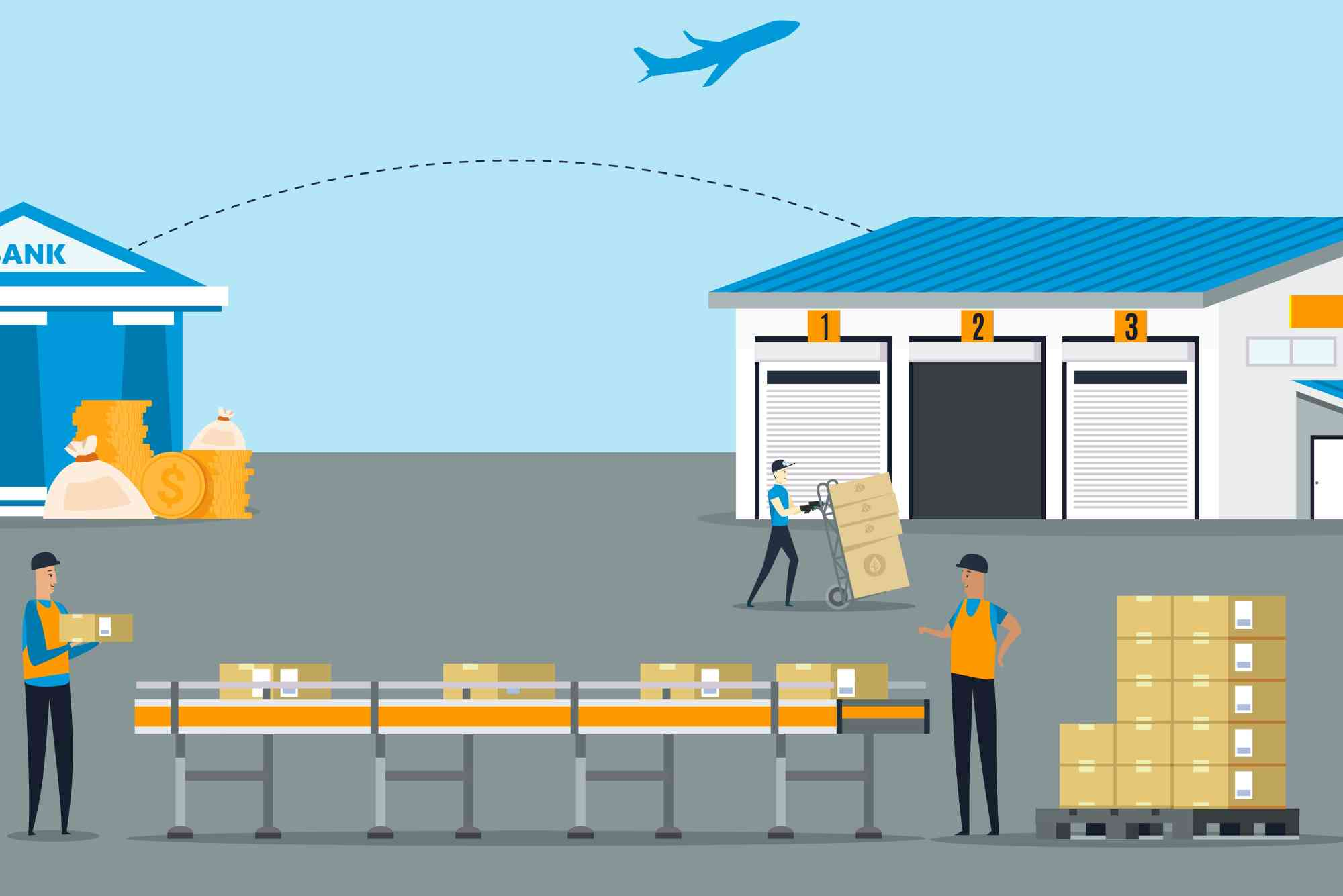
The key objective is to help exporters purchase raw materials, process goods, pay labor costs, or complete production and packaging before the goods are shipped to overseas buyers. Once the shipment is made and payment is received, the exporter repays the loan, often using the proceeds from the export bill.
Why Exporters Need Packing Credit Finance
Exporting goods involves multiple upfront costs. From sourcing materials to packaging and logistics, these expenses are often incurred well before the exporter receives payment. Without adequate capital, fulfilling large orders can be difficult.
Finance against packing credit ensures that exporters have access to affordable and timely funds to meet these pre-shipment needs. This not only keeps operations running smoothly but also helps exporters stay competitive in international markets.
Key Features of Finance Against Packing Credit
Packing credit finance offers several benefits that make it highly attractive for exporters. One of the biggest advantages is the concessional interest rates provided under schemes like the Export Credit in Foreign Currency (ECFC) or rupee-denominated export credit. This means exporters can access funds at lower costs than traditional loans.
Another feature is the flexibility in repayment. Exporters can repay the loan once the export proceeds are received, giving them breathing room and aligning the repayment cycle with their cash inflow.
Moreover, packing credit can be provided in domestic currency (INR) or in foreign currency, depending on the exporter’s preference and the nature of the trade contract. It is also available as a revolving credit facility for exporters with consistent export cycles.
How Finance Against Packing Credit Works
The process of availing packing credit typically starts when an exporter receives a confirmed export order or a letter of credit (LC) from an overseas buyer. Based on this order, the exporter can approach a bank to request packing credit finance.
The bank evaluates the exporter’s financial health, past performance, and compliance history. Once the loan is approved, funds are disbursed to cover working capital expenses. These funds can be used for purchasing raw materials, paying workers, or managing logistics.
After the goods are shipped and the exporter submits shipping documents to the bank, the export bill is either discounted or sent for collection. The proceeds from the overseas buyer are then used to settle the packing credit loan.
Eligibility Criteria for Packing Credit Finance
To qualify for finance against packing credit, exporters must meet certain basic requirements. These may vary slightly by institution, but the general criteria include:
- Valid Importer Exporter Code (IEC) issued by the Directorate General of Foreign Trade (DGFT)
- Confirmed export order or letter of credit from an overseas buyer
- Satisfactory credit history and KYC compliance
- Proper documentation and business registration
Financial institutions also prefer working with exporters who have a track record of fulfilling past export obligations without default or delays.
Required Documents for Applying
Banks and financial institutions typically ask for a set of documents before disbursing packing credit loans. These include:
- Export order or letter of credit
- Commercial invoice and proforma invoice
- IEC certificate
- PAN card and GST registration
- Business profile or company registration documents
- Financial statements of the business
- Past performance reports if available
Providing complete and accurate documentation can speed up the approval process and increase the chances of favorable loan terms.
Types of Packing Credit Loans
There are several types of packing credit facilities, depending on the business’s export structure and needs.
One common type is Packing Credit in Foreign Currency (PCFC). This is disbursed in currencies like USD, EUR, or GBP, helping exporters reduce exchange rate risks and lower interest costs.
Another is the rupee-based packing credit, which is more common for smaller exporters dealing primarily in local currency.
Banks may also offer Running Account Facilities, where packing credit is extended without a specific export order in hand. This is typically allowed for well-established exporters with regular shipping cycles.
Benefits of Finance Against Packing Credit
One of the top advantages of packing credit finance is improved cash flow. Exporters can focus on production and timely delivery without being restricted by working capital shortages.
Secondly, interest rates are typically lower due to RBI guidelines and government incentives that promote export growth. This helps exporters save on financing costs.
Another benefit is the ability to access foreign currency financing, which helps manage currency fluctuation risks. This is particularly useful for exporters with contracts in international currencies.
Additionally, timely access to packing credit can improve production efficiency and customer satisfaction by ensuring orders are fulfilled without delay.
Risks and Considerations
While packing credit finance offers many benefits, exporters should be aware of certain risks. If export proceeds are delayed or if there’s a dispute with the buyer, it can lead to challenges in repaying the loan on time.
Currency fluctuations can also affect the loan if it’s taken in foreign currency but the proceeds are received in rupees. It’s important to understand the implications of interest rate differentials and hedging options.
Exporters must also ensure that the funds are strictly used for the purposes declared in the loan agreement. Misuse of funds can result in penalties or disqualification from future credit support.
Best Practices for Exporters Using Packing Credit
Exporters should always maintain transparent communication with their lenders and submit all documents promptly. Regularly updating the bank on the progress of production and shipment helps build trust and may result in better terms for future credit.
It’s also wise to maintain detailed financial records and avoid overleveraging. Using packing credit strategically—only when necessary—can improve creditworthiness and reduce overall financial risk.
Exporters should also stay updated on new government schemes and benefits offered to boost exports, such as interest subvention programs, which further reduce the cost of borrowing.
How to Choose the Right Lender
Not all lenders offer the same terms when it comes to finance against packing credit. Exporters should compare interest rates, repayment terms, currency options, and processing times across banks and NBFCs.
Some institutions specialize in trade finance and offer value-added services like bill discounting, export credit insurance support, and currency hedging. These added services can make a big difference in managing your overall export process.
Consulting with a financial advisor or trade finance expert can also help exporters choose the best lender based on their industry and target markets.
Government and RBI Guidelines
The Reserve Bank of India (RBI) has laid down clear guidelines for banks when it comes to disbursing packing credit loans. These include:
- Maximum period of 180 days for packing credit
- Interest rates should be within the prescribed cap
- Banks should monitor end-use of funds
- Credit must be backed by export documentation
The Indian government, through the Export-Import Bank of India (EXIM Bank) and other institutions, also provides interest subsidies to reduce the cost of packing credit for eligible exporters.
Unlock Export Growth with Smart Financing
Finance against packing credit is a powerful tool that can help exporters manage pre-shipment costs, improve delivery timelines, and compete globally. Whether you’re a first-time exporter or a seasoned trader, understanding how to use this form of credit can transform your business strategy.
By choosing the right lender, maintaining compliance, and using the loan strategically, exporters can unlock significant growth potential. With the support of packing credit finance, export businesses can fulfill orders with confidence, expand into new markets, and improve their cash cycle.
FAQs:
What is the meaning of finance against packing credit?
Finance against packing credit refers to a short-term loan provided to exporters before shipment to cover working capital needs like purchasing raw materials or packaging.
Who is eligible for packing credit?
Exporters with a valid Importer Exporter Code (IEC), confirmed export order or letter of credit, and a clean credit history are typically eligible.
What is the repayment period for packing credit?
Generally, packing credit is offered for a period of up to 180 days. Extensions may be granted in special cases, subject to approval.
Is packing credit available in foreign currency?
Yes, banks offer Packing Credit in Foreign Currency (PCFC), allowing exporters to borrow in USD, EUR, GBP, or other international currencies.
How do I apply for finance against packing credit?
You can apply by submitting your export order, IEC code, company registration, and financial statements to a bank or trade finance provider.