
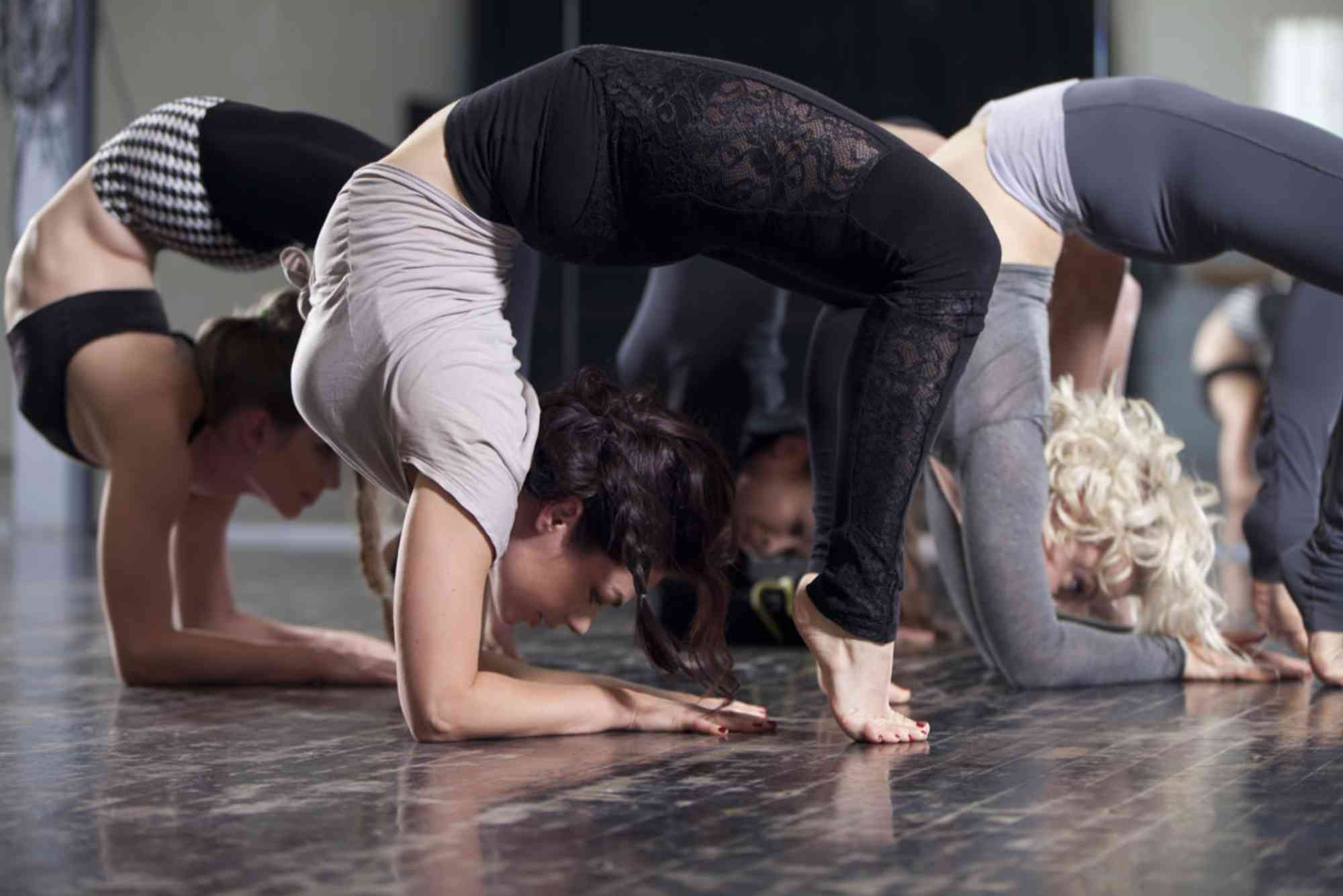
What Is Fit and Bendy? Stretch Your Way to Strength
In the fitness world, flexibility is often the unsung hero. While lifting heavy and building endurance get all the spotlight, being flexible is just as crucial for overall health and mobility. Enter Fit and Bendy—a unique fitness philosophy that combines deep stretching, strength training, and body awareness to help you unlock your body’s potential. But what exactly is Fit and Bendy, and why is it gaining attention from athletes, dancers, and everyday fitness enthusiasts alike?
Whether you’re a beginner or a professional performer, Fit and Bendy offers a system that helps you move better, feel stronger, and prevent injury. Let’s dive into what this method involves, how it works, and how you can get started.
Understanding the Fit and Bendy Method
A Fusion of Flexibility and Strength
Fit and Bendy isn’t just about stretching. It’s a comprehensive approach to fitness that blends elements of flexibility training, active mobility, and strength-building. Developed by dancers and movement experts, this method encourages you to stretch in ways that build control and resilience—rather than just sitting in a split passively.
Where It All Began
The Fit and Bendy brand was founded by Kristina Nekyia, a professional contortionist and flexibility coach. Her experience in both athletic performance and body mechanics helped shape a method that promotes safe, sustainable progress. It’s not about pushing your body into extreme positions—it’s about learning to own your flexibility with strength and awareness.
The Core Principles of Fit and Bendy
Active vs. Passive Flexibility
One of the key teachings of Fit and Bendy is the difference between active and passive flexibility. Passive flexibility is the kind you get when external forces—like gravity or a partner—help you stretch. Active flexibility is the ability to control those same positions using your own muscles. This focus on control protects joints and helps build real strength in your full range of motion.
Functional Mobility
Unlike static yoga poses or traditional gym stretches, Fit and Bendy sessions are designed to improve functional mobility—the type of flexibility that directly enhances movement. This is essential for athletes, dancers, and even desk-bound professionals who suffer from stiffness or poor posture.
Muscle Engagement in Every Stretch
In most Fit and Bendy routines, you’re never just “holding” a stretch. You’re engaging muscles, creating resistance, and building strength in lengthened positions. This dynamic approach results in lasting improvements in both flexibility and control.
Who Is Fit and Bendy For?
Dancers, Gymnasts, and Performers
If your sport or art form requires you to kick high, bend deeply, or control your limbs through extreme ranges, this method is ideal. Many dancers and contortionists rely on Fit and Bendy to condition their bodies safely.
Fitness Enthusiasts
Even if you’re not a performer, the benefits of Fit and Bendy are huge. Regular training can ease back pain, improve posture, increase range of motion, and help prevent injuries from other activities like weightlifting or running.
People Recovering from Injury
Because of its emphasis on control and alignment, Fit and Bendy is also useful in rehab or recovery settings. Always consult with a physical therapist first, but many have found this method supportive in regaining function.
What to Expect in a Fit and Bendy Session
Warm-Up and Body Prep
Sessions typically begin with joint mobility drills and light dynamic movements. This prepares the muscles and nervous system for deeper work.
Targeted Flexibility Drills
Each session will focus on specific body areas—hip openers, backbends, hamstring mobility, or shoulder flexibility, for example. Exercises often involve pulsing, isometric holds, and deep breathing to enhance effectiveness.
Strength Through Stretch
This is where the Fit and Bendy philosophy really stands out. You’ll practice lifting and holding your limbs in extended positions, activating the muscles that support your range. These movements build strength where most people are weakest.
Cool Down and Recovery
Classes often end with calming stretches and breathing exercises. Recovery is part of progress, and the method respects the body’s need to reset and rebuild.
Benefits of Fit and Bendy
Injury Prevention
When you train flexibility with control, your joints and muscles become more resilient. Fit and Bendy helps reduce the risk of strains, sprains, and overuse injuries common in both sedentary and active lifestyles.
Improved Posture and Alignment
Many people suffer from rounded shoulders or tight hips due to long hours sitting. This method addresses muscular imbalances and retrains the body to move efficiently.
Enhanced Athletic Performance
Whether you’re a yogi, runner, or lifter, increased flexibility combined with strength can boost your overall performance. You move more freely, generate more power, and recover faster.
Mind-Body Connection
With its focus on awareness and intentional movement, Fit and Bendy encourages a deeper connection to your body. It’s not just physical; it’s a mental reset that builds focus and self-care.
How to Start Fit and Bendy Training
Online Programs and Classes
You don’t need to live in a major city to try Fit and Bendy. Kristina Nekyia and other certified trainers offer online classes, downloadable programs, and even live Zoom sessions. These are great for beginners and advanced movers alike.
Home Training Tips
If you’re training solo, start with gentle active stretches and focus on control over depth. Incorporate resistance bands, yoga blocks, and a mirror to track alignment.
Frequency and Progression
For best results, train 3–5 times per week. Even short sessions (15–30 minutes) can yield improvements. The key is consistency and mindful progression—never force your body into pain.
Real Results from Real People
Many users report dramatic changes in just a few months. From increased flexibility to less joint pain and better athletic performance, the Fit and Bendy method consistently delivers results. These testimonials reinforce the power of training smart, not just hard.
FAQs
What does Fit and Bendy mean?
Fit and Bendy is a fitness method that combines flexibility and strength training to enhance mobility, control, and body awareness.
Can beginners do Fit and Bendy?
Yes, the method is designed to meet you where you are. Progressions are provided for all levels, from complete beginners to advanced movers.
Is Fit and Bendy good for back pain?
Many users report reduced back pain after consistent practice. The method strengthens supporting muscles and improves posture, both of which are essential for spinal health.
How is Fit and Bendy different from yoga?
While both promote flexibility, Fit and Bendy emphasizes active control, strength-building in stretched positions, and functional mobility rather than static holds or spiritual elements.
Do I need to be flexible to start?
Not at all. Fit and Bendy is about improving flexibility over time. You start where you are and work within your current range of motion safely.