
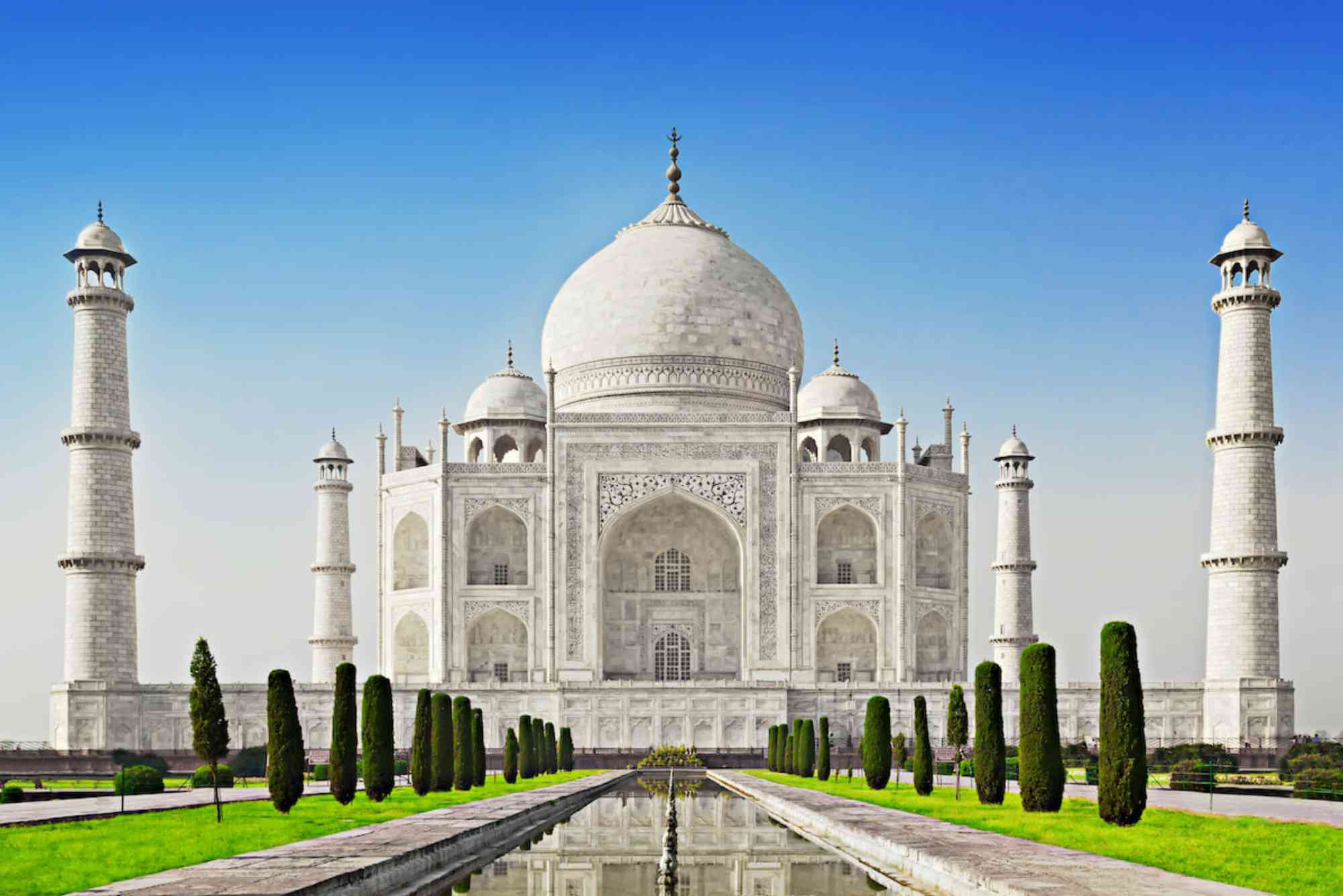
10 Historical Destinations That Take You Back in Time
From the sunbaked ruins of ancient empires to medieval towns frozen in time, historical destinations offer a powerful window into the past. Whether you’re a seasoned traveler or a curious history buff, exploring these sites helps you understand civilizations that have shaped our modern world. In this guide, we’ll uncover ten of the most remarkable historical destinations—places that immerse you in the legacy of humanity.
Why Visit Historical Destinations?
Historical destinations offer more than sightseeing. They connect you to culture, architecture, traditions, and lost worlds. Walking through cobbled streets or gazing at centuries-old frescoes gives you a profound sense of perspective. Plus, many of these places are UNESCO World Heritage Sites, making them educational, inspiring, and visually unforgettable.
Rome, Italy – The Eternal City
A living museum of Western civilization
Rome is one of the world’s most iconic historical destinations, where every corner holds a piece of antiquity. From the grandeur of the Colosseum to the sprawling ruins of the Roman Forum, the city is packed with archaeological treasures.
Visit Vatican City to see the Sistine Chapel, or explore the Pantheon, which still inspires architects today. Rome not only tells the story of a mighty empire but also preserves the origins of Christianity and Renaissance art.
External link: Visit Rome Official Site
Cairo, Egypt – Land of the Pharaohs
Ancient wonders that defy time
Cairo’s historic importance is undeniable, as it stands near the only surviving ancient wonder—the Great Pyramid of Giza. The Sphinx, Saqqara tombs, and Egyptian Museum offer glimpses into the ancient Egyptian worldview.
For those fascinated by mummies, pharaohs, and hieroglyphs, Cairo remains one of the most profound historical destinations globally.
Kyoto, Japan – Timeless Traditions
The spiritual heart of Japanese culture
Kyoto, once Japan’s imperial capital, is a haven of temples, shrines, and preserved traditions. Sites like Kinkaku-ji (Golden Pavilion), Fushimi Inari Shrine, and Gion preserve centuries-old customs.
Unlike Tokyo’s neon skyline, Kyoto whispers of a different time—geisha culture, Zen gardens, and wooden townhouses called machiya.
Athens, Greece – Cradle of Democracy
Home of ancient philosophy and politics
Athens is a place where historical destinations meet philosophical ideas that shaped the modern world. Visit the Acropolis, where the Parthenon still stands tall. Wander through the Agora, where Socrates once debated.
Whether you’re interested in mythology, architecture, or democracy, Athens provides rich insights into ancient Greek civilization.
Petra, Jordan – Rose City of the Desert
A lost city carved into stone
Hidden in the desert cliffs, Petra’s rose-red city is one of the Middle East’s greatest wonders. Built by the Nabataeans over 2,000 years ago, Petra includes elaborate tombs and temples carved directly into sandstone.
The Treasury and Monastery are stunning, especially at sunrise or by candlelight tours. Petra truly feels like a portal to another world.
Machu Picchu, Peru – Lost City of the Incas
A masterpiece of Incan engineering
Machu Picchu is perched high in the Andes and surrounded by cloud forests. It’s a breathtaking archaeological site that was unknown to the outside world until 1911.
Whether you hike the Inca Trail or take the scenic train, the sense of awe upon arrival is unparalleled. As one of South America’s most iconic historical destinations, Machu Picchu reveals the ingenuity of the Inca Empire.
External link: UNESCO – Machu Picchu
Angkor Wat, Cambodia – Khmer Empire’s Legacy
A spiritual and architectural marvel
Spanning over 400 acres, Angkor Wat is the largest religious monument in the world. Originally built as a Hindu temple, it later became a center of Buddhism.
The surrounding Angkor Archaeological Park includes the Bayon Temple and Ta Prohm, famously overrun by tree roots. Exploring these ruins reveals the artistic heights of the Khmer Empire.
Jerusalem, Israel – Sacred for Three Religions
A spiritual epicenter of human history
Few places hold as much religious and historical weight as Jerusalem. Sacred to Jews, Christians, and Muslims, the city is home to the Western Wall, Church of the Holy Sepulchre, and Dome of the Rock.
Its Old City is divided into quarters, each echoing with stories that span thousands of years. For believers and historians alike, it’s one of the world’s most meaningful historical destinations.
Istanbul, Turkey – Where East Meets West
A crossroad of empires and faiths
Formerly Byzantium and Constantinople, Istanbul bridges Europe and Asia with remarkable elegance. Walk through Hagia Sophia, once a cathedral and mosque, now a museum that tells centuries of stories.
The Blue Mosque, Topkapi Palace, and Grand Bazaar reflect Ottoman, Byzantine, and Roman legacies. Every layer of Istanbul speaks to a different empire and era.
Cusco, Peru – Capital of the Inca Empire
A blend of Incan and colonial architecture
Before reaching Machu Picchu, travelers usually explore Cusco, the heart of the Inca Empire. The city’s architecture blends indigenous stonework with Spanish colonial churches.
Sites like Qorikancha, Sacsayhuamán, and the San Pedro Market provide insights into the Incan world and how it fused with Spanish conquest culture.
Internal link suggestion: Read our guide on Top Mountain Destinations for more high-altitude adventures like Cusco and Machu Picchu.
What Makes a Destination “Historical”?
Not all old cities qualify as historical destinations. These places must have preserved their culture, architecture, and identity over time. Key elements include:
- Authentic structures or ruins
- Continuous or recorded historical significance
- Cultural practices tied to the past
- UNESCO recognition or archaeological value
Such destinations aren’t just old—they actively tell stories through their sights, sounds, and living traditions.
FAQs – People Also Ask
What are the best historical destinations in the world?
The best historical destinations include Rome, Athens, Petra, Machu Picchu, and Cairo. Each offers a unique insight into ancient civilizations and world history.
Which country has the most historical sites?
Italy is often regarded as the country with the most historical sites, thanks to its Roman heritage, Renaissance art, and medieval towns.
Why are historical places important?
Historical places preserve our cultural identity, offer educational value, and inspire respect for past civilizations and their achievements.
How should I prepare to visit historical destinations?
Research the site’s history, dress appropriately, and consider guided tours to understand the significance of what you’re seeing.
Are historical destinations suitable for children?
Yes. Many historical sites offer interactive exhibits or kid-friendly tours. Destinations like Rome, Cairo, and Athens can be both educational and fun.
Start Your Journey Through Time
Historical destinations do more than offer beautiful backdrops for photos—they invite you to explore the roots of civilization, culture, and belief. Whether you’re standing in the shadow of a pyramid or strolling through an ancient temple, these places ignite curiosity and wonder.
If you’re looking to plan your next meaningful adventure, choose a destination with a story worth discovering. The past is waiting for you—step into it.
Ready to walk through history?
Start planning your journey to one of these incredible historical destinations today. And don’t forget to share your experience with fellow travelers who value the richness of the past.