Horizontal Real Estate Explained – Concept, Uses, and Benefits
In the world of property development and urban planning, new terms are constantly reshaping how we understand real estate. One such term is horizontal real estate—a concept gaining popularity as cities expand and space becomes limited. This article explores what horizontal real estate is, how it’s used, and the unique benefits it offers to property owners, investors, and developers.
What Is Horizontal Real Estate?
Horizontal real estate refers to the division and use of land across the horizontal plane, typically on a single level or parcel of land. Unlike vertical real estate, which involves high-rise buildings and stacked units, horizontal development focuses on spreading structures across a larger ground area.
This model is common in residential communities like single-family homes, townhouses, or commercial setups such as business parks and large retail centers. Instead of building upward, developers expand outward—using more land to accommodate the same or greater functionality.
Origin and Growing Use
The concept has been around for decades, especially in suburban planning. However, with urban sprawl and the rising cost of vertical development in congested areas, horizontal real estate is seeing renewed interest. Developers find it more cost-effective in specific environments, especially where land is relatively affordable.
Key Features of Horizontal Real Estate
Land Ownership
In horizontal real estate, individual property owners often own both the structure and the land beneath it. This differs from vertical properties like condominiums, where owners may own only the interior unit.
Space Utilization
The layout allows for greater spacing between buildings, offering more privacy, open areas, and customization. These spaces often include private gardens, parking spots, or backyard amenities.
Community Design
Developments built on horizontal models often include planned communities with shared amenities like parks, clubhouses, and walking trails. These are typically managed by a homeowners’ association (HOA).
Uses of Horizontal Real Estate
Horizontal real estate serves various purposes and is often preferred for its flexibility.
Residential Developments
This is the most common application. Horizontal real estate supports neighborhoods of detached homes or townhouses, offering residents space, privacy, and ownership benefits.
Commercial Projects
Large-scale business parks, warehouses, and shopping centers are often built using the horizontal model. These developments require significant land area and benefit from single-level layouts for ease of access and logistics.
Industrial Zones
Factories and production plants prefer horizontal layouts for safety, workflow efficiency, and vehicle movement. The model allows for wider roads, parking for heavy trucks, and open storage areas.
Agricultural and Mixed-Use Land
In rural or semi-urban zones, horizontal real estate is ideal for farms, nurseries, or eco-villages. These developments may combine residential, agricultural, and light commercial use.
Benefits of Horizontal Real Estate
Cost-Effective Construction
Building outward is often cheaper than upward, especially when the cost of elevators, structural reinforcements, and vertical safety systems is taken into account.
Easier Maintenance
Horizontal properties are easier and cheaper to maintain. Roofing, plumbing, and other utilities are more accessible, leading to lower repair costs.
Better Customization
Owners have more freedom to modify, expand, or landscape their properties. Whether it’s adding a garden, a swimming pool, or a workshop, the flexibility is a major plus.
Greater Privacy
Since units are spread out, there’s more space between neighbors. This enhances privacy and reduces noise complaints—a major selling point in residential projects.
Safer in Emergencies
Emergency access is typically easier in horizontal developments. Fire trucks, ambulances, and police vehicles can navigate more effectively without dealing with elevators or stairwells.
Lower Population Density
This kind of planning helps reduce overcrowding. Neighborhoods feel more relaxed and often offer a higher quality of life than congested high-rise areas.
Horizontal vs Vertical Real Estate
While both models have their merits, each fits different scenarios.
Horizontal real estate is ideal when land is available, and there’s a demand for space, privacy, and flexibility.
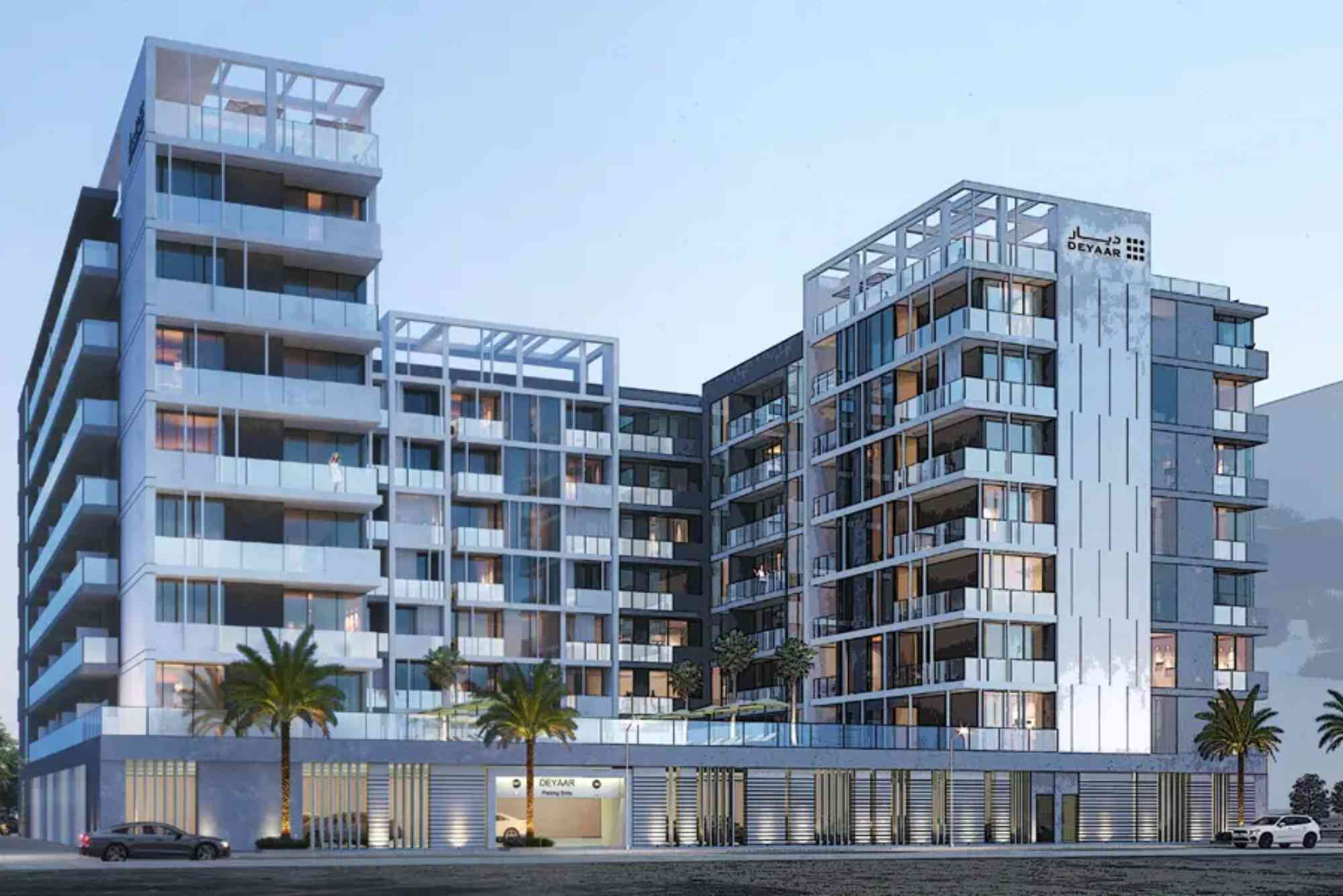
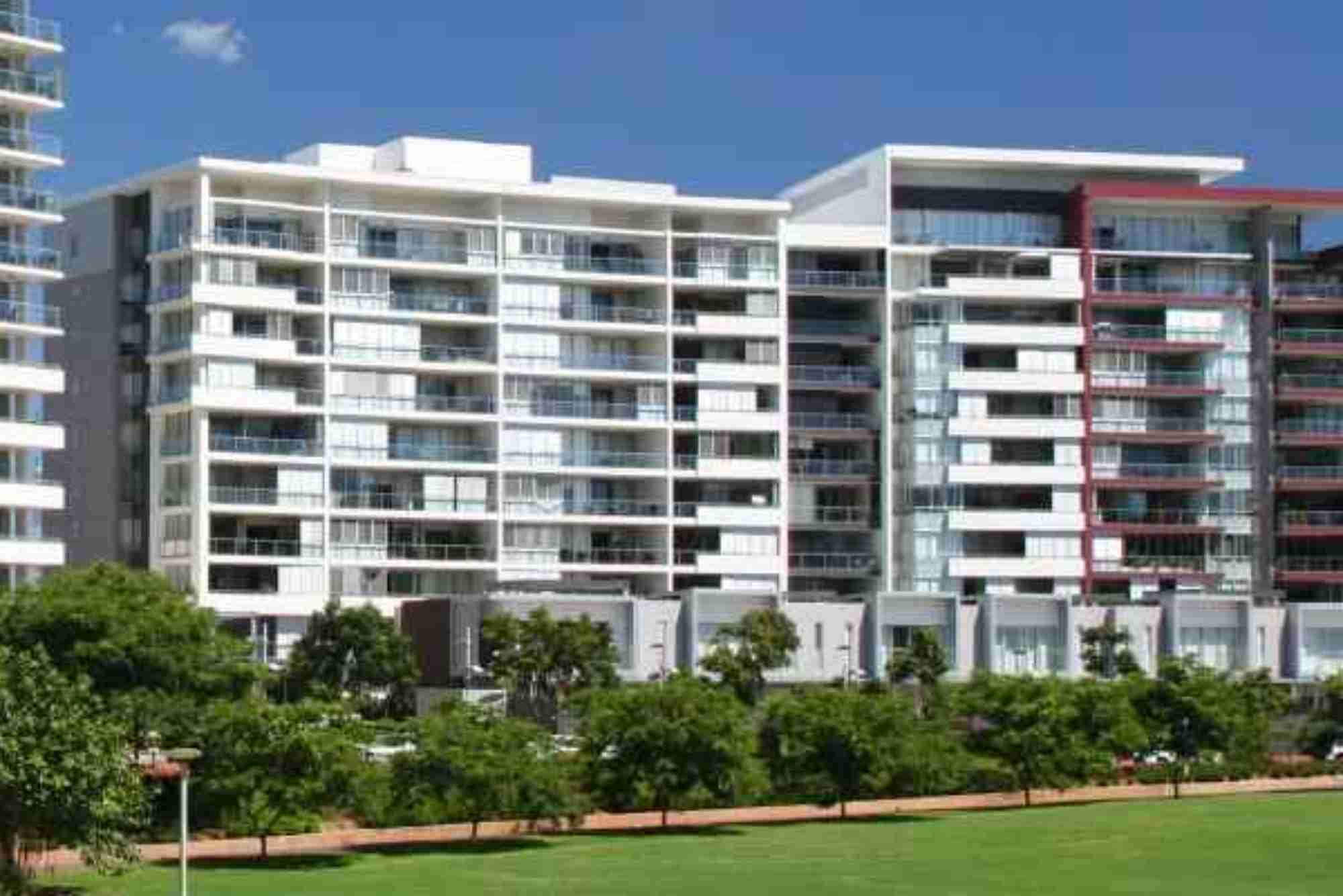
Vertical real estate suits dense cities where land is expensive and building upward is the only option to maximize returns.
Smart urban planning often uses a mix of both approaches, combining high-density towers with low-rise developments to balance population needs and lifestyle expectations.
Challenges in Horizontal Real Estate
Land Availability
Expanding outward requires more land, which isn’t always feasible in city centers. This model often works better in suburban or newly developed areas.
Urban Sprawl
Without careful planning, horizontal expansion can lead to sprawl—longer commutes, greater infrastructure costs, and environmental concerns.
Infrastructure Demands
More spread-out developments need more roads, utilities, and service networks. These can strain municipal resources if not managed properly.
Real-Life Examples of Horizontal Developments
Many master-planned communities in North America, the UAE, and Australia are built on horizontal real estate models. Examples include:
- Dubai’s Arabian Ranches: A spacious residential community designed with villas and green belts.
- The Villages, Florida: One of the largest horizontal retirement communities in the U.S., focused on single-level living.
- Australian Suburban Estates: Typically built with one- or two-story detached homes on private plots.
These projects emphasize livability, outdoor space, and lifestyle—highlighting the appeal of the horizontal approach.
Who Should Consider Horizontal Real Estate?
- Homebuyers looking for more privacy and outdoor space.
- Developers in regions with abundant land and low zoning restrictions.
- Investors targeting long-term growth in suburban or peri-urban areas.
- City Planners aiming to design balanced communities with a blend of open space and residential or commercial zones.
Is Horizontal Real Estate Right for You?
Horizontal real estate offers a compelling alternative to vertical growth, especially where land is not a constraint. It promotes livability, cost-efficiency, and design freedom. Whether you’re a homeowner, developer, or policymaker, understanding this model can help you make smarter decisions about land use and property investment.
Ready to explore your next project or investment?
Consider how horizontal real estate could meet your space, budget, and lifestyle needs. Consult with local experts to evaluate opportunities in your area and make informed choices.
FAQs About Horizontal Real Estate
What is horizontal real estate in simple terms?
Horizontal real estate refers to property development that spreads across land rather than building up. Think single-story homes, warehouses, or campuses.
How is horizontal real estate different from vertical real estate?
Vertical real estate builds upward (like skyscrapers), while horizontal real estate spreads outward. Each serves different purposes depending on space availability and function.
Is horizontal real estate a good investment?
Yes, especially in suburban or low-density areas. It offers long-term land value appreciation and flexibility in use, making it attractive to both developers and homeowners.
What are the benefits of horizontal real estate for homeowners?
Homeowners enjoy more privacy, outdoor space, and better living conditions like reduced noise and better ventilation.
Why is horizontal real estate gaining popularity again?
As remote work grows and cities expand outward, more people are choosing horizontal real estate for its livability and lower costs compared to vertical developments.