
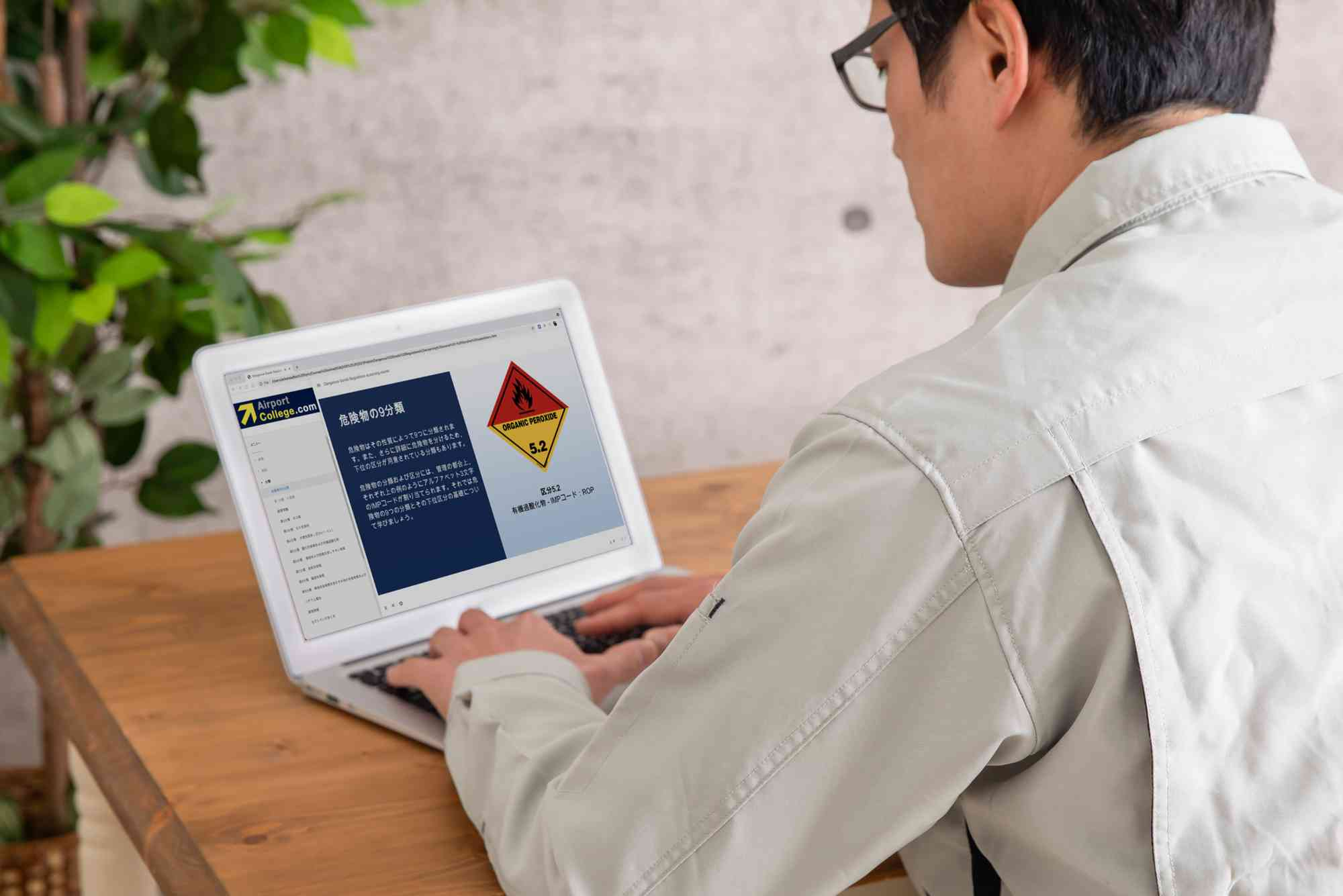
IATA Dangerous Goods Exam Questions & Sample Answers
The IATA Dangerous Goods Exam is a crucial assessment for professionals involved in air cargo and logistics. It ensures compliance with international safety regulations and confirms that employees understand the classification, handling, and transport of hazardous materials. Whether you are an aspiring air cargo specialist or a seasoned professional seeking certification, understanding the types of exam questions and their sample answers can significantly improve your readiness and confidence.
Understanding the IATA Dangerous Goods Exam
The International Air Transport Association (IATA) provides detailed guidelines and training for the safe transport of dangerous goods by air. The exam evaluates knowledge of these regulations and their practical application. The test covers topics like classification, labeling, documentation, packaging, and emergency procedures. Typically, it is structured as multiple-choice questions that assess both theoretical understanding and real-world problem-solving abilities.
Candidates are expected to demonstrate knowledge in areas such as identifying dangerous goods, selecting appropriate packing methods, marking and labeling shipments correctly, and understanding special provisions. The exam ensures that personnel are prepared to minimize risks and comply with legal requirements in the aviation sector.
Exam Format
The IATA Dangerous Goods Exam usually contains 30 to 40 multiple-choice questions. Some questions may involve scenario-based situations where candidates must choose the correct course of action. The exam generally requires a passing score of 75% or higher, depending on the training provider. Understanding the types of questions commonly asked and reviewing sample answers can significantly improve your chances of passing.
Key Areas Covered in the Exam
The exam questions revolve around several key areas. Each topic is critical for ensuring the safe transport of hazardous materials and adherence to IATA regulations.
Classification of Dangerous Goods
One of the primary focuses of the exam is the classification of dangerous goods. Candidates must know how to identify substances according to IATA classes. There are nine classes, including explosives, gases, flammable liquids, flammable solids, oxidizing substances, toxic substances, radioactive materials, corrosive substances, and miscellaneous dangerous goods. Correct classification determines the packaging, labeling, and documentation requirements.
For example, a question might ask you to identify the class of a chemical based on its properties and risks. A sample answer would require you to correctly identify it as, for instance, a flammable liquid (Class 3) and provide the proper UN number and packing group.
Packaging and Labeling Requirements
Proper packaging and labeling are crucial components of the exam. Questions may ask which packaging is suitable for specific substances or how to label packages with hazard symbols. Understanding IATA packing instructions and marking requirements is essential for passing the test.
Sample questions might present a substance like lithium batteries and ask about approved packaging and labeling procedures. The correct answer would refer to special provisions, proper outer packaging, and the handling label required for air transport.
Documentation and Shipper’s Responsibilities
The exam often tests knowledge of required documentation for shipping dangerous goods. This includes the Shipper’s Declaration for Dangerous Goods, airway bills, and compliance with national and international regulations. Questions may involve identifying errors in documentation or knowing when certain forms are necessary.
For example, a scenario might present an incorrectly completed declaration form. The sample answer would highlight the missing information, such as UN number, proper shipping name, or hazard label, and explain the correction required.
Handling and Emergency Procedures
Candidates must also understand proper handling, storage, and emergency procedures. Exam questions may include scenarios involving spillage, leakage, or accidents during transport. The correct response involves immediate safety measures, reporting procedures, and minimizing risks to personnel and the aircraft.
A sample question might describe a leaking package of flammable liquid in a cargo hold. The answer would include steps like alerting the supervisor, isolating the area, and following the emergency response plan.
Special Provisions and Exceptions
IATA regulations include special provisions for certain dangerous goods. These may include limitations on quantity, exceptions for small packages, or specific handling instructions. Exam questions often test knowledge of these special rules to ensure that candidates can recognize exceptions and comply accordingly.
For instance, the exam may ask about transporting small quantities of a highly toxic substance. A correct answer would reference the limited quantity provisions and how packaging and labeling differ from standard shipments.
Sample Questions and Answers
Understanding sample questions and answers can help candidates prepare efficiently. Here are examples that illustrate the exam style:
Question: A shipment contains flammable liquids classified under Class 3, Packing Group II. What is the correct labeling requirement?
Answer: The package must display a Class 3 flammable liquid diamond label, show the UN number, and comply with the packing instruction PI 355.
Question: Which class includes materials that can spontaneously ignite or react dangerously with water?
Answer: Class 4.2 covers substances that are spontaneously combustible, while Class 4.3 involves dangerous when wet materials.
Question: How should a leaking package of toxic substances be handled in a cargo hold?
Answer: Immediately isolate the package, inform the supervisor, follow emergency procedures, and use personal protective equipment.
Question: Can small quantities of lithium-ion batteries be shipped without a full Shipper’s Declaration?
Answer: Yes, under IATA special provisions 188 and 230, small quantities may qualify for exceptions with appropriate labeling.
Question: What is the purpose of the UN number on dangerous goods packages?
Answer: The UN number uniquely identifies hazardous substances, facilitating proper handling, emergency response, and compliance with regulations.
Exam Preparation Tips
Passing the IATA Dangerous Goods Exam requires both theoretical knowledge and practical understanding. Here are some strategies to maximize your performance:
- Review the IATA Dangerous Goods Regulations Manual: Familiarize yourself with all classes, packing instructions, and labeling requirements.
- Understand scenario-based questions: Practice applying knowledge to real-world transport situations.
- Use sample exams: Completing mock exams helps identify weak areas and improves speed and accuracy.
- Focus on safety and compliance: Remember that the exam tests practical knowledge of safety and regulatory requirements.
- Memorize key UN numbers and hazard classes: Knowing common substances and their classifications can save time during the test.
Common Mistakes to Avoid
Several mistakes can lower your exam score, even if you understand the theory. Avoid these pitfalls:
- Ignoring small quantity exceptions and special provisions.
- Misidentifying classes of substances due to superficial characteristics.
- Overlooking labeling and packaging requirements.
- Failing to check documentation for completeness and accuracy.
- Underestimating scenario-based questions that test emergency responses.
Benefits of Passing the IATA Dangerous Goods Exam
Successfully completing the exam enhances your career in air cargo, logistics, or transportation. Certification demonstrates your expertise, improves employability, and ensures compliance with international standards. Companies value certified staff for reducing liability and maintaining safe operations.
Iata Dangerous Goods Exam Questions and Answers is challenging but achievable with careful preparation and understanding of the regulations. Familiarity with common questions, sample answers, and real-world applications is key to passing. Focus on classification, packaging, labeling, documentation, and emergency procedures to ensure success. Regular review of IATA guidelines and practice exams builds confidence and knowledge. If you are ready to take your expertise to the next level, start practicing today using sample questions and answers. Enroll in an IATA-approved training course, study the regulations thoroughly, and approach the exam with confidence. Passing the exam not only validates your knowledge but also enhances safety and compliance in the aviation industry.
FAQs
What are the main topics in the IATA Dangerous Goods Exam?
The exam covers classification, packaging, labeling, documentation, handling, emergency procedures, and special provisions for dangerous goods.
How many questions are on the IATA Dangerous Goods Exam?
Typically, the exam contains 30 to 40 multiple-choice questions, including scenario-based questions.
What score is required to pass the exam?
Most training providers require a minimum score of 75% to pass, although this may vary.
Can I retake the exam if I fail?
Yes, candidates can usually retake the exam after additional study and within the limits set by the training provider.
How can I prepare for scenario-based questions?
Practice with sample scenarios, review emergency procedures, and understand proper handling of dangerous goods.
Do small quantities of dangerous goods require a Shipper’s Declaration?
Not always. Some small quantities qualify for limited quantity exceptions under IATA special provisions.