
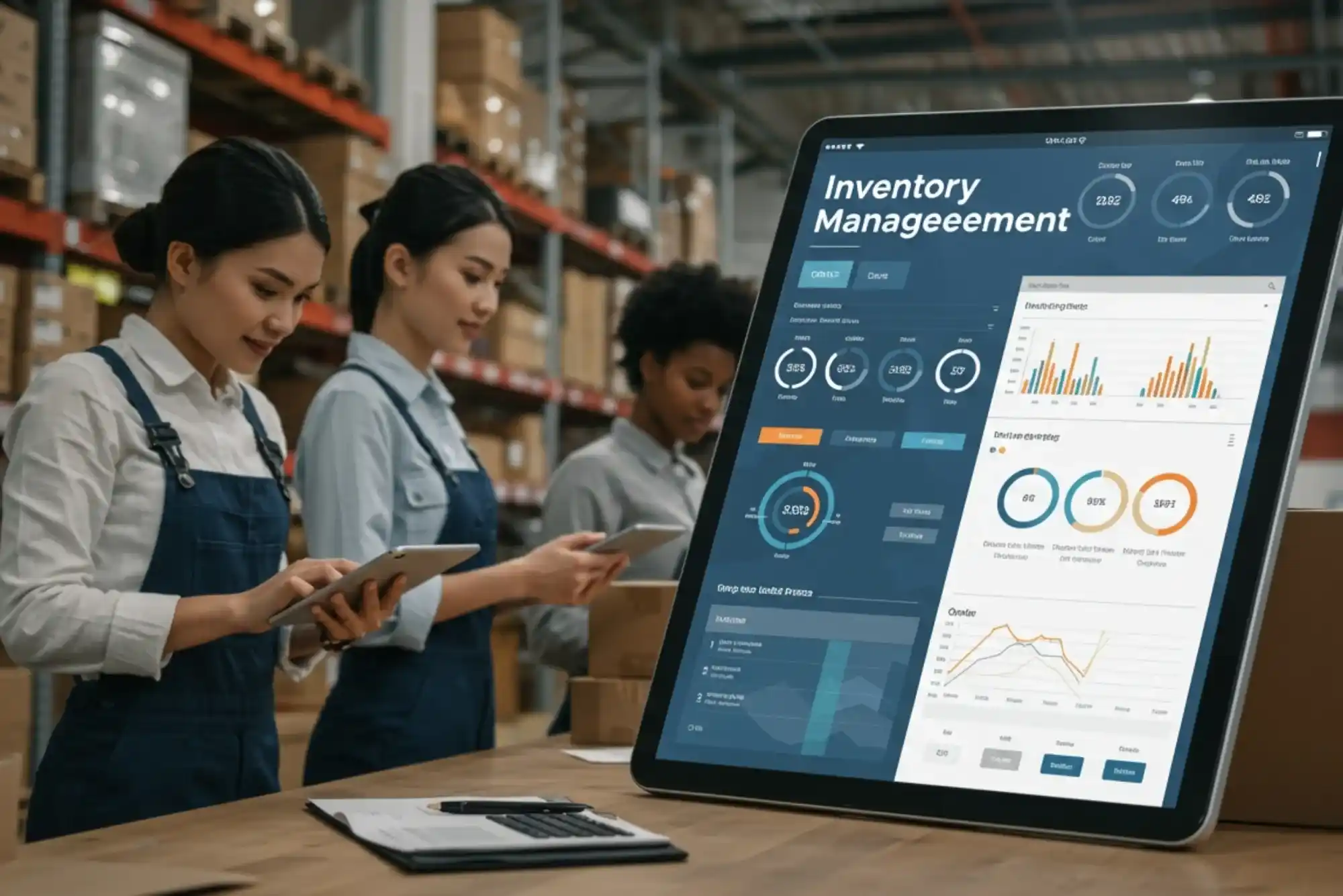
In today’s fast-paced business environment, keeping track of products, orders, and supplies can be overwhelming without the right technology. Whether you’re managing a small retail store, an eCommerce business, or a warehouse, the ability to stay organized and informed is crucial. That’s where an inventory management app steps in to transform the way you run your operations.
Modern businesses no longer rely on spreadsheets or manual counting systems. Instead, they leverage smart software tools that can automate tasks, provide real-time data, and reduce human error. An inventory management app is designed precisely for this purpose — to make your stock tracking smarter, faster, and more efficient.
Understanding What an Inventory Management App Does
An inventory management app is a digital tool that helps you control and monitor your stock levels, sales, orders, and deliveries. It acts as a centralized system where you can record every transaction and update inventory quantities automatically.
For example, imagine running a small online store. Every time a customer makes a purchase, the app automatically deducts that item from your available stock. If your inventory drops below a certain level, it can send alerts or even reorder the product for you.
By connecting with your point-of-sale (POS) system or eCommerce platform, the app gives you a complete overview of your inventory — from supplier to customer.
Why Businesses Need a Track Inventory App
The ability to track inventory app data in real time is what makes these tools so powerful. Traditional methods like Excel spreadsheets often fail to keep up with fast-moving sales or complex product catalogs. Mistakes in stock management can lead to costly issues such as overstocking, stockouts, and delayed deliveries.
A track inventory app eliminates these problems by providing automatic updates whenever stock levels change. For instance, if a business sells the same product through multiple channels — like an online store, physical shop, and marketplace — the app syncs all the sales data instantly. This prevents double-selling and ensures accurate reporting.
Another major benefit is transparency. When everyone in your team has access to real-time inventory data, it becomes easier to coordinate restocking, fulfillment, and sales forecasting.
Key Features of an Effective Inventory Management App
A good inventory management app goes beyond simple tracking. It offers a range of features designed to improve efficiency and reduce manual workload.
Some of the most valuable functions include:
- Real-time updates: Every transaction or sale instantly reflects in your system, ensuring accuracy across all platforms.
- Barcode and QR code scanning: Simplifies the process of adding, removing, or locating stock items.
- Multi-location management: Perfect for businesses that operate across different warehouses or stores.
- Automated reorder levels: Receive alerts or trigger purchase orders when stock falls below a certain quantity.
- Analytics and reporting: Gain insights into your best-selling products, slow-moving items, and overall inventory performance.
- Integration with accounting and eCommerce systems: Connect seamlessly with tools like Shopify, WooCommerce, or QuickBooks for unified business management.
These features collectively make it easier for business owners to focus on growth instead of getting lost in day-to-day stock management tasks.
How Inventory Management Apps Improve Efficiency
One of the greatest advantages of using an inventory management app is improved operational efficiency. When you automate repetitive tasks like data entry, stock updates, and order processing, you save valuable time and reduce errors.
Take the example of a retail business that manually checks its inventory every week. The process is time-consuming and often leads to discrepancies. But with a digital system in place, you can automatically track product movements in real time. That means no more guesswork — only accurate data at your fingertips.
Moreover, businesses can use historical inventory data to predict demand patterns. For example, if sales for a particular product rise every holiday season, the system can alert you to restock ahead of time. This helps you avoid losing sales due to stockouts and prevents overordering.
The Role of Mobile Technology in Inventory Management
Today’s inventory management apps are often mobile-friendly, meaning you can track and manage your stock from anywhere. Whether you’re at the warehouse, at home, or traveling, having mobile access keeps you in control.
Many modern apps also allow barcode scanning directly through a smartphone camera. This not only saves the cost of purchasing additional equipment but also increases flexibility. For instance, if you’re checking deliveries or updating stock while walking through your store, you can do it instantly through your mobile app.
Such mobility empowers small business owners who cannot always be physically present at their stores. It also benefits field sales teams and warehouse managers who need quick, on-the-go access to data.
Integration and Cloud-Based Advantage
One of the key strengths of a modern inventory management app lies in its integration capabilities. Most solutions today are cloud-based, meaning all your data is securely stored online and accessible anytime.
This not only enhances collaboration between departments but also ensures you never lose important records. If a laptop crashes or a device gets lost, your data remains safe in the cloud.
Cloud integration also enables automatic software updates, improved scalability, and access to advanced features like machine learning–based forecasting. Businesses can easily expand their operations without worrying about data overload or system slowdowns.
Real-World Example of Effective Inventory Management
Let’s look at how a mid-sized retail business benefited from using a track inventory app.
Before implementation, the business struggled with inaccurate stock counts and frequent stockouts. The staff spent hours manually reconciling sales reports and inventory spreadsheets. After adopting an inventory management system, all their processes were automated. The app synchronized data from their POS and online store, providing real-time stock visibility.
Within a few months, the company reported a 25% improvement in order accuracy, reduced wastage, and smoother supplier coordination. The employees could focus on sales and customer service instead of administrative tasks.
This is a typical example of how technology, when applied strategically, can redefine efficiency.
How to Choose the Right Inventory Management App
Selecting the best app depends on your business size, budget, and operational needs. Some companies may need advanced enterprise-level features, while others might prefer a simple solution.
When evaluating options, consider factors like scalability, ease of use, customer support, and integration with your existing systems. Reading user reviews and taking advantage of free trials can also help you find the most suitable software for your workflow.
For small businesses, affordability and simplicity might be top priorities. For large enterprises, the ability to handle multi-location management and generate detailed analytics could be more important.
Future Trends in Inventory Management Technology
The future of inventory management is becoming increasingly intelligent. Artificial intelligence (AI) and the Internet of Things (IoT) are playing a major role in predicting demand, optimizing supply chains, and preventing human errors.
Smart sensors can now track inventory levels automatically, while predictive analytics helps businesses anticipate shortages or surpluses. AI-driven apps can even recommend ideal reorder times or suppliers based on past trends.
As these technologies evolve, the inventory management app will become even more indispensable for businesses of all sizes.
Final Thoughts
Managing inventory effectively is one of the most critical aspects of running a successful business. A reliable inventory management app doesn’t just help you track stock — it empowers your entire operation. From real-time visibility to automation and analytics, these tools are transforming how companies manage products, predict demand, and deliver value to customers.
Investing in a track inventory app is no longer optional; it’s a strategic decision that can make your business more agile, profitable, and customer-focused. Whether you’re a small retailer or a large manufacturer, adopting the right app today will set the foundation for a smarter, more efficient tomorrow.