
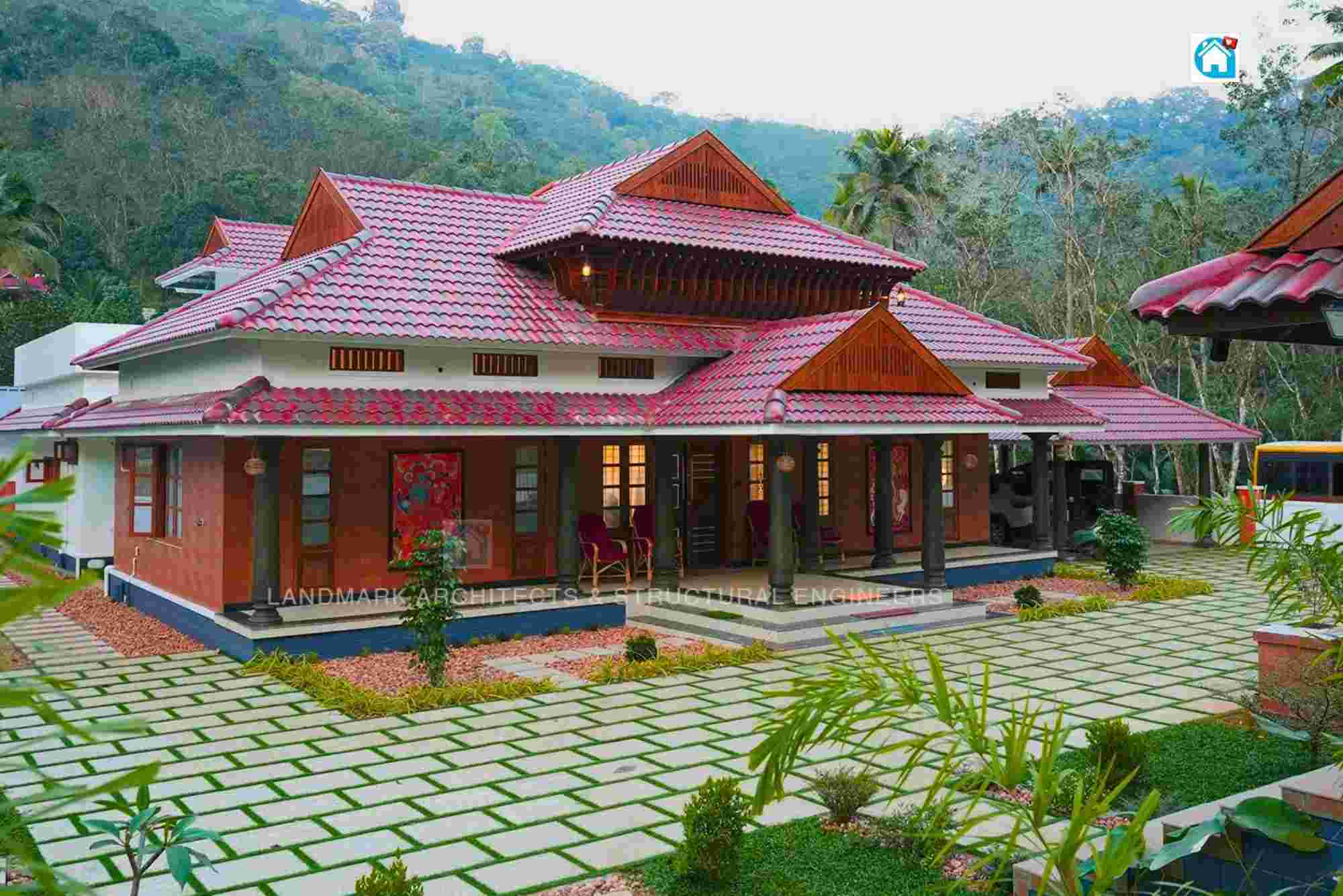
Kerala Traditional Home Design: Embrace the Charm of Classic Architecture
Kerala traditional home design is admired for its elegance, sustainability, and timeless appeal. Rooted in centuries of architectural wisdom, these homes reflect harmony with nature while offering comfort and beauty. Known for sloping roofs, wooden craftsmanship, and open courtyards, they embody the cultural soul of Kerala. If you’re looking to design a home that combines tradition and modern functionality, understanding the features of Kerala’s classic architecture is essential.
The Essence of Kerala Traditional Home Design
Kerala homes are more than just buildings; they are cultural statements. Their designs follow Vastu Shastra principles, ensuring positive energy and balance. Crafted with natural materials like wood, clay, and stone, they offer durability and eco-friendliness. The open courtyards, called Nadumuttam, connect families to nature, making them ideal for the tropical climate of Kerala.
Climate-Responsive Architecture
Kerala experiences heavy monsoons and warm summers. Traditional homes are designed with steep sloping roofs to manage rainfall and allow ventilation. This ensures cool interiors during hot months and dry, safe spaces during the rains.
Sustainability at its Core
Using locally sourced timber, clay tiles, and laterite stones, these homes are eco-friendly. The focus on natural resources reduces environmental impact while preserving traditional aesthetics.
Key Features of Kerala Traditional Home Design
Sloping Tiled Roofs
The sloping, red-clay tiled roofs are iconic. They prevent waterlogging during monsoons and add a classic charm to the structure.
Nadumuttam (Central Courtyard)
This open-to-sky courtyard forms the heart of a Kerala home. It improves ventilation, offers natural light, and serves as a space for cultural gatherings.
Verandas and Wooden Pillars
Long verandas with beautifully carved wooden pillars provide shade and add elegance. They act as transition spaces between indoors and outdoors.
Ornate Wooden Work
Intricate wooden carvings are a hallmark of Kerala homes. From ceilings to doors, craftsmanship reflects artistry and heritage.
Natural Materials
Homes are constructed with laterite stone, wood, and clay tiles. These materials keep interiors cool and blend with the natural surroundings.
Types of Kerala Traditional Home Design
Nalukettu
The Nalukettu is the classic four-winged home with a central courtyard. Traditionally built for large families, it is a symbol of prosperity.
Ettukettu
An extended version of Nalukettu, Ettukettu features two courtyards. It was historically built for noble families and remains an architectural marvel.
Pathinarukettu
Rare and grand, Pathinarukettu has four courtyards with multiple wings. It represents the pinnacle of Kerala’s traditional residential design.
Blending Tradition with Modern Living
Modern homeowners often adapt Kerala traditional home design to fit contemporary needs. By integrating modern amenities while preserving traditional elements, one can achieve the best of both worlds.
Modern Interiors with Traditional Exteriors
Many homeowners keep sloping roofs and verandas but modernize interiors with open kitchens and stylish furniture.
Eco-Friendly Homes for Today
With rising awareness about sustainability, Kerala-style homes are making a comeback. Solar panels, rainwater harvesting, and eco-friendly paints are now integrated.
Compact Kerala Homes
For urban settings, smaller Kerala-inspired homes are built while retaining features like wooden pillars, tiled roofs, and courtyards.
Why Choose Kerala Traditional Home Design?
- Durability – Natural materials ensure long-lasting strength.
- Aesthetic Appeal – Wooden detailing and tiled roofs add timeless beauty.
- Cultural Value – These homes preserve heritage and traditions.
- Eco-Friendliness – Designs reduce energy consumption and environmental impact.
- Comfort – Courtyards, verandas, and ventilation offer year-round comfort.
Interior Design in Kerala Traditional Homes
Wooden Ceilings and Furniture
Teak and rosewood furniture with intricate carvings complement traditional architecture. Wooden ceilings provide elegance and insulation.
Terracotta Flooring
Terracotta tiles or red oxide flooring add rustic charm while keeping interiors cool.
Traditional Lamps and Décor
Brass lamps, mural paintings, and traditional artifacts enhance the spiritual and cultural feel.
Spacious Layouts
Rooms are often arranged around the courtyard, allowing open movement and air circulation.
Maintaining a Kerala Traditional Home
Regular Wood Care
Polishing and termite treatment ensure longevity of wooden structures.
Roof Maintenance
Clay tiles must be checked regularly to prevent leaks during monsoons.
Preservation of Courtyards
Keeping the Nadumuttam clean and open ensures proper light and ventilation.
Kerala Traditional Home Design and Vastu Shastra
Vastu principles are followed to align the house with natural energies. Placement of courtyards, kitchens, and entrances is done thoughtfully to promote peace and prosperity.
Cost Considerations in Kerala Traditional Home Design
Building such homes can be more expensive due to premium wood and craftsmanship. However, long-term durability and timeless charm justify the investment. For those on a budget, hybrid models using alternative materials are also possible.
FAQs on Kerala Traditional Home Design
What is special about Kerala traditional home design?
These homes combine beauty, sustainability, and cultural heritage. They use natural materials and feature courtyards and sloping roofs.
How much does it cost to build a Kerala traditional home?
Costs vary depending on size, materials, and wood used. On average, it may be higher than modern homes due to craftsmanship.
Can Kerala traditional design be adapted to small houses?
Yes, compact versions are popular in urban areas, keeping features like verandas, sloping roofs, and wooden interiors.
What materials are commonly used?
Teak, rosewood, laterite stone, clay tiles, and terracotta flooring are the most common materials.
Are Kerala homes eco-friendly?
Yes, they use natural materials and climate-responsive designs, making them highly sustainable.
Kerala traditional home design is more than an architectural style—it is a cultural heritage that blends beauty, comfort, and sustainability. With sloping roofs, open courtyards, and exquisite wooden detailing, these homes remain timeless. Whether you’re building a new home or renovating, adopting Kerala-style design offers elegance and eco-friendliness.
If you’re inspired to embrace Kerala’s architectural charm, now is the time to plan your dream home. Explore design ideas, consult experts, and bring the spirit of tradition into your modern living space.