Modern wastewater treatment demands efficient, cost-effective, and sustainable methods. Among the many solutions, MBBR technology stands out as one of the most innovative approaches. Many people searching for “MBBR technology Wikipedia” want clear, practical insights beyond technical jargon. This article explains what MBBR technology is, how it works, its advantages, applications, and common questions—everything you need to understand this powerful system.
Introduction to MBBR Technology
MBBR technology, or Moving Bed Biofilm Reactor technology, is a biological wastewater treatment method. It uses specially designed carriers that provide a surface for microorganisms to grow. These carriers move freely in aerated tanks, allowing bacteria to attach and form biofilms. As wastewater flows through, these biofilms break down organic pollutants, reducing harmful compounds and improving water quality.
The reason many people compare MBBR technology with traditional activated sludge systems is its efficiency. Unlike conventional methods, MBBR technology does not require sludge recirculation. This makes operations simpler while ensuring a higher treatment capacity in smaller spaces.
How MBBR Technology Works
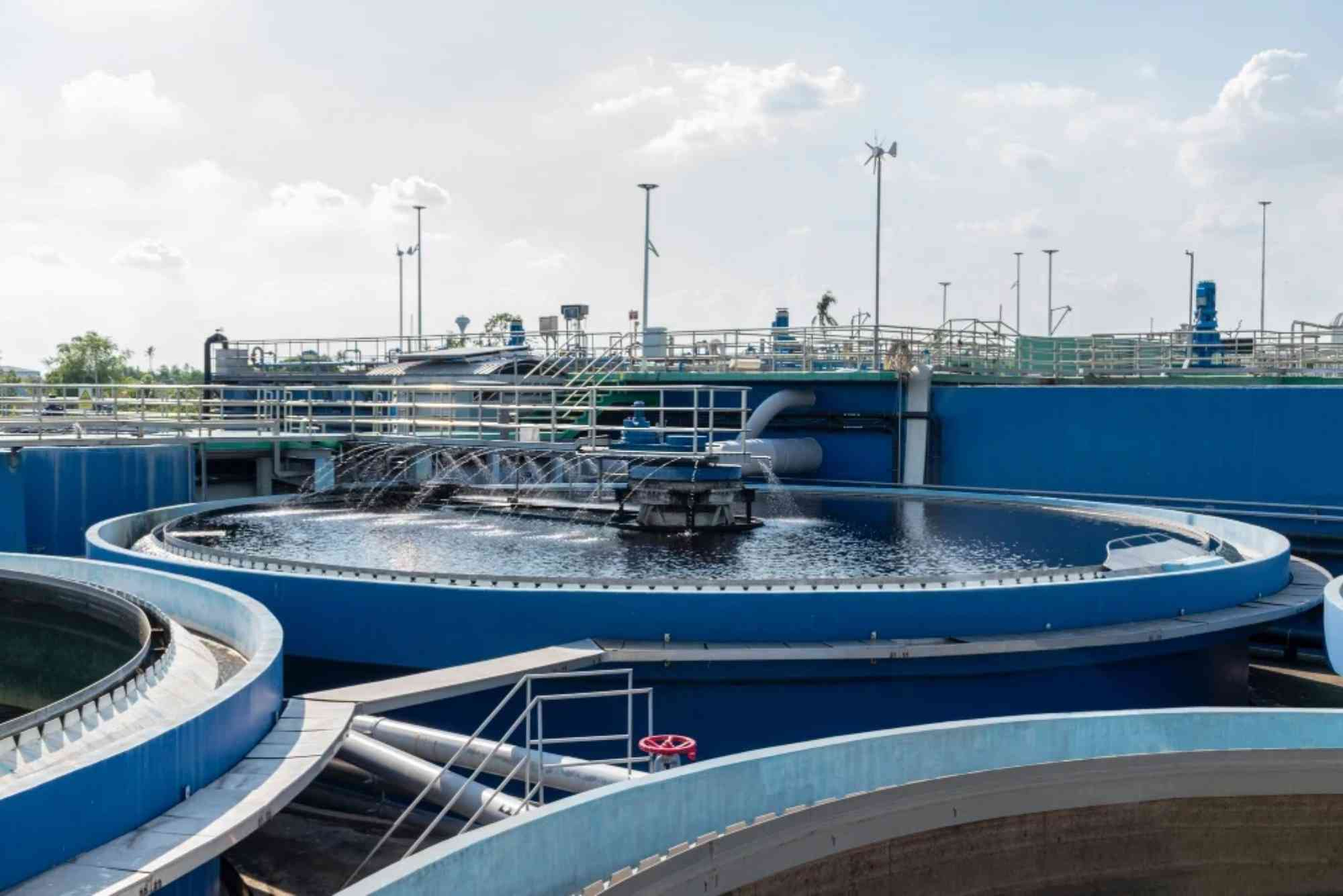
To understand MBBR technology, it helps to visualize the process. The system begins with a tank filled with wastewater. Into this tank, thousands of small plastic carriers are added. These carriers are not ordinary plastic pieces; they are engineered with a high surface area that promotes bacterial growth. When air or mechanical mixing is introduced, the carriers move continuously.
The biofilm that forms on these carriers becomes the heart of the treatment process. Microorganisms living on the surface feed on organic matter, nutrients, and pollutants. As water circulates, contact between wastewater and biofilm ensures effective cleaning. Treated water then passes to the next stage, while excess biomass gradually detaches and is removed in clarifiers.
This dynamic process makes MBBR technology highly adaptable. It can be designed for municipal wastewater, industrial effluents, and even for upgrading existing treatment plants.
Advantages of MBBR Technology
The popularity of MBBR technology has grown rapidly due to its unique benefits. One of the most important is space efficiency. Because carriers provide such a large surface area, treatment can occur in smaller tanks than conventional systems. This makes MBBR ideal for industries and municipalities with limited space.
Another major benefit is operational simplicity. Since sludge recirculation is unnecessary, plant operators face fewer complications. Energy consumption is often lower compared to traditional aeration systems, making it a sustainable choice.
Additionally, MBBR systems handle shock loads well. Sudden increases in organic load or toxic compounds are absorbed by the biofilm without causing system failure. This resilience is especially valuable for industries where wastewater composition changes frequently.
Applications of MBBR Technology
MBBR technology is versatile and widely applied across different sectors. Municipalities often use it for sewage treatment, particularly in growing urban areas where space and resources are limited. The compact design allows new plants to be built quickly and existing ones to be upgraded.
Industries also benefit greatly. Food processing plants, breweries, pulp and paper mills, and chemical manufacturers frequently generate wastewater rich in organic compounds. MBBR technology efficiently reduces these loads, ensuring compliance with discharge regulations.
Another emerging application is in aquaculture. Fish farms use MBBR systems to maintain water quality, preventing harmful ammonia buildup. The adaptability of MBBR makes it suitable wherever biological treatment is required.
MBBR Technology vs Conventional Treatment
When comparing MBBR Technology Wikipedia with traditional methods, several differences become clear. Activated sludge systems depend heavily on sludge recycling and settling. This often results in operational complexity and a larger footprint.
In contrast, MBBR technology relies on carriers that keep biofilms stable and productive. There is no need for large clarifiers or sludge return systems, which reduces the risk of sludge bulking. Moreover, treatment performance remains consistent even with fluctuating loads.
For facilities looking to expand without building massive new infrastructure, MBBR technology provides an effective upgrade path. It can be added as a retrofit to existing systems, boosting capacity with minimal disruption.
Design Considerations for MBBR Systems
Designing an effective MBBR system requires careful attention to several factors. The most critical is the selection of carriers. They must provide adequate surface area while remaining durable and buoyant. The fill ratio, or the percentage of tank volume occupied by carriers, also influences efficiency.
Aeration is another essential element. Proper mixing ensures carriers remain in motion and biofilm receives enough oxygen. Engineers must balance aeration energy with treatment performance to optimize costs.
Hydraulic retention time, wastewater characteristics, and desired effluent quality all play roles in system design. While MBBR technology is flexible, tailoring the system to specific needs ensures the best results.
Environmental and Economic Benefits
Beyond operational efficiency, MBBR technology contributes positively to sustainability goals. Its compact design reduces land use, while lower energy demands decrease carbon emissions. By simplifying sludge handling, it minimizes waste disposal issues.
From an economic standpoint, MBBR systems often require lower capital investment compared to large conventional plants. Operating costs remain manageable due to reduced maintenance and stable performance. For municipalities and industries under budget pressure, this combination of savings and reliability is highly attractive.
Common Challenges with MBBR Technology
While MBBR technology offers many advantages, it is not without challenges. One issue is carrier clogging, which can occur if mixing is inadequate. Proper system design and maintenance prevent this problem.
Another challenge is biofilm management. Over time, biofilms can grow too thick, reducing efficiency. Fortunately, natural detachment processes usually balance growth, but monitoring is essential.
Like all biological systems, temperature and chemical conditions affect performance. Sudden shifts in wastewater composition may temporarily impact treatment, although MBBR is more resilient than many alternatives.
Frequently Asked Questions
What is MBBR technology in wastewater treatment?
MBBR technology is a biological process that uses moving plastic carriers with biofilms to clean wastewater effectively.
How does MBBR differ from activated sludge?
Unlike activated sludge systems, MBBR does not require sludge recycling. Instead, biofilms on carriers handle treatment.
Is MBBR suitable for industrial wastewater?
Yes, MBBR technology works well in industries such as food processing, chemicals, and pulp and paper, handling high organic loads.
Can MBBR be added to existing plants?
MBBR systems can be retrofitted into existing treatment facilities to increase capacity without major reconstruction.
What are the disadvantages of MBBR?
Potential challenges include carrier clogging, biofilm overgrowth, and sensitivity to extreme environmental changes. However, proper design minimizes these risks.
MBBR technology represents a significant step forward in wastewater treatment. By combining biological efficiency with design simplicity, it meets the growing demand for sustainable and cost-effective solutions. Whether applied in cities, industries, or aquaculture, MBBR technology consistently delivers reliable results.