
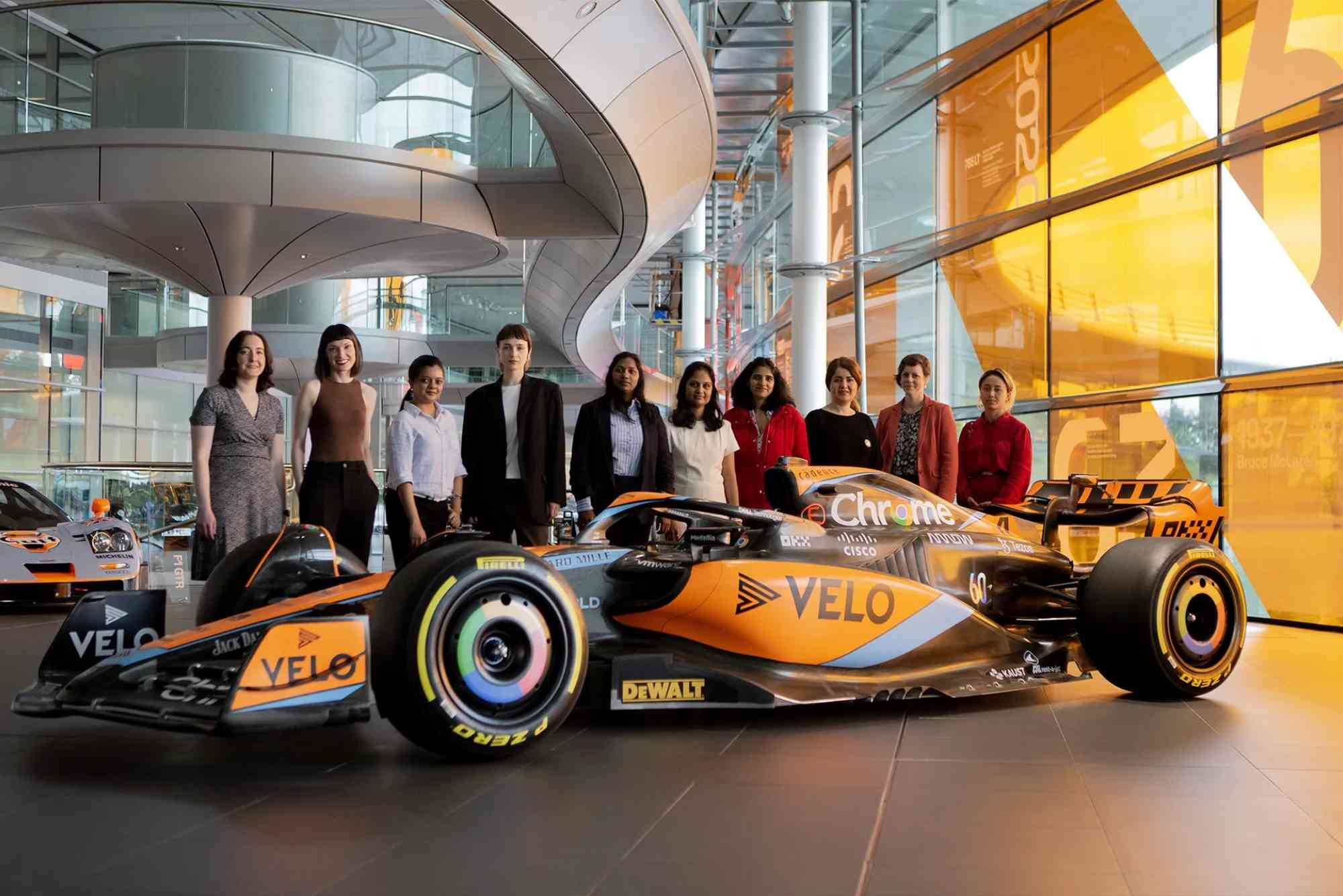
Where Speed Meets Innovation
The McLaren Technology Group is synonymous with cutting-edge engineering, motorsport dominance, and technological excellence. From the roaring circuits of Formula 1 to the quiet precision of AI and advanced computing, McLaren has carved a unique position at the crossroads of speed and innovation. This article takes a deep dive into how the group evolved, what sets it apart, and why it’s a leader in performance and innovation.
The Legacy of McLaren Technology Group
A Storied Beginning in Motorsport
Founded in 1963 by New Zealand racing driver Bruce McLaren, the company initially made waves in Formula 1. Since then, it has grown into one of the most successful F1 teams in history, boasting multiple Constructors’ and Drivers’ Championships.
But McLaren Technology Group didn’t stop at racing. It evolved into a broader organization, pushing the boundaries in advanced automotive engineering, data analysis, simulation, and applied technologies.
From Pit Lane to Silicon Valley
Today, McLaren operates at the intersection of high-performance racing and technological innovation. While its F1 roots remain strong, the group has expanded into McLaren Automotive and McLaren Applied. These subsidiaries drive innovation in road cars and enterprise technology solutions, respectively.
What Makes McLaren Technology Group Unique?
Integration of Racing and Tech Development
Unlike many automakers and tech companies, McLaren develops and tests its innovations in one of the most extreme environments on Earth: Formula 1. The data-driven insights gathered on the racetrack are quickly transferred to road vehicles and digital products.
For example, the McLaren Applied division leverages telemetry data to design high-efficiency batteries and real-time analytics platforms used in sectors ranging from transportation to health care.
Advanced Materials and Manufacturing
McLaren pioneered the use of carbon fiber monocoques in Formula 1, and this technology is now standard across its production cars. Every McLaren road car is assembled at the McLaren Production Centre (MPC) in Woking, England, with a focus on lightweight, aerodynamically optimized design.
This engineering prowess doesn’t just make the cars fast — it makes them safer, more fuel-efficient, and longer-lasting.
Data Is Everything
The group handles up to 1.5 terabytes of data per race weekend in Formula 1. This data feeds into predictive analytics and machine learning tools that are then commercialized through McLaren Applied.
These tools are now used in various industries to enhance operations, predict outcomes, and improve decision-making processes.
Inside McLaren Automotive: Speed Meets Design
A Commitment to Performance
McLaren Automotive builds some of the fastest and most advanced sports cars in the world, including the McLaren 720S, the Artura hybrid, and the Speedtail, capable of reaching over 250 mph.
These cars are more than just fast — they are showcases of intelligent design, using active aerodynamics, hybrid powertrains, and advanced driver interfaces.
Sustainable Supercars
Sustainability is increasingly central to McLaren’s strategy. The Artura, for example, represents the company’s entry into the hybrid era, delivering both speed and lower emissions.
McLaren is also researching sustainable composite materials and energy-efficient manufacturing methods to reduce its environmental footprint.
McLaren Applied: Where Innovation Scales
Beyond the Track
McLaren Applied focuses on transferring racing technology to other industries. Its work includes:
- High-performance electric vehicle (EV) systems
- Edge computing and AI analytics
- Predictive maintenance platforms for transportation and aviation
Their energy-efficient IPG5 inverter, for example, is a critical component for the next generation of EVs, and their Real-Time Intelligence (RTI) platform is being adopted by public transport systems globally.
Digital Twin Technology
McLaren’s digital twin technologies — digital replicas of physical systems — are being used in everything from vehicle simulation to energy grid monitoring. These solutions reduce costs, enhance safety, and speed up innovation cycles.
How McLaren Fuses Innovation with Culture
Human Capital and Talent
Innovation at McLaren is as much about people as it is about machines. The company hires experts in mechanical engineering, computer science, aerodynamics, and data analytics from around the globe.
McLaren’s Graduate and Apprenticeship Programmes are highly sought after, helping cultivate the next generation of engineers and innovators.
The Role of Collaboration
McLaren often partners with external organizations, universities, and industry leaders. Partnerships with Dell Technologies, British American Tobacco (BAT) for sustainability R&D, and Formula E exemplify how collaboration accelerates progress.
Why McLaren Technology Group Matters in Today’s World
In a world increasingly defined by technology, data, and climate concerns, the McLaren Technology Group stands as a model for how legacy brands can reinvent themselves. Their fusion of speed and innovation enables solutions not only for racetracks but also for city roads, factories, and hospitals.
This agile, data-driven approach makes McLaren not just a brand — but a blueprint for future-facing businesses.
Frequently Asked Questions (FAQs)
What is the McLaren Technology Group known for?
McLaren Technology Group is known for excellence in Formula 1, advanced automotive engineering, and pioneering data analytics and tech innovation through McLaren Applied.
Is McLaren only a car company?
No, McLaren is much more. While McLaren Automotive focuses on performance cars, McLaren Applied creates tech solutions for industries beyond motorsport.
Where is the McLaren Technology Group headquarters?
It is headquartered in Woking, Surrey, United Kingdom, at the McLaren Technology Centre, an architectural and technological marvel in itself.
What companies does McLaren partner with?
McLaren partners with companies like Dell, Google Cloud, BAT, and several universities for R&D and sustainability initiatives.
Does McLaren produce electric vehicles?
Yes. McLaren’s Artura is a plug-in hybrid, and the company is investing heavily in electric powertrains and sustainable materials.
Real-World Use Cases of McLaren Innovation
Public Transport Optimization
McLaren Applied’s RTI platform helps transportation systems optimize traffic flow and reduce congestion through predictive algorithms.
Medical Data Analysis
McLaren’s data visualization tools originally built for F1 are now being used in hospitals for real-time patient monitoring and predictive care.
Energy Efficiency in Aviation
Inverters and battery tech developed by McLaren are now being used in eVTOL aircrafts and electric aviation projects.
The McLaren Technology Group embodies more than motorsport excellence. It is a symbol of what’s possible when data, design, and innovation come together. Whether you’re watching an F1 race or riding an electric bus powered by their tech, McLaren’s impact is everywhere.
Ready to see where speed meets innovation?
Explore more about McLaren’s groundbreaking tech or consider how your business could benefit from their applied technologies. Visit McLaren Applied to discover future-forward solutions.